Introduction
Suicidal tendencies and ideations represent one of the most pressing mental health challenges worldwide. Traditional treatments, including antidepressants and psychotherapy, are effective for many but do not always provide relief for everyone. Recent research into psychedelic therapies, particularly magic mushrooms (psilocybin) and Ibogaine, has highlighted their potential in addressing treatment-resistant depression, trauma-related distress, and suicidal thoughts. Platforms such as UKMushroom.com offer a variety of high-quality, regulated psychedelic products that can complement clinical approaches when used responsibly.
Mechanism of Psychedelic Action
Magic mushrooms contain psilocybin, which the body converts to psilocin. Psilocin interacts with serotonin receptors, primarily the 5-HT2A receptor, leading to altered perception, enhanced emotional processing, and neuroplasticity. Neuroplasticity—the brain’s ability to form new connections—is crucial for breaking negative thought loops often present in suicidal ideation.
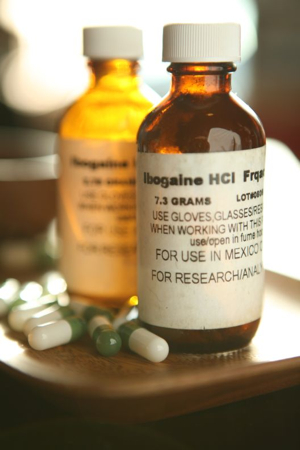
Ibogaine, derived from the African Tabernanthe iboga plant, operates differently. It modulates dopaminergic and serotonergic systems while reducing withdrawal symptoms and cravings for substances like opioids. This dual action can help individuals struggling with addiction-related despair, which often correlates with suicidal thoughts. Detailed information on buying Ibogaine in the UK can be found through reliable sources like UKMushroom.com.
Therapeutic Potential
Research indicates that both psilocybin and Ibogaine can:
- Reduce depressive symptoms significantly in treatment-resistant cases
- Promote emotional catharsis, allowing patients to process trauma safely
- Increase mindfulness and psychological flexibility, which mitigates self-harm tendencies
- Improve long-term well-being when integrated into structured therapy sessions
Clinical trials on psilocybin, as documented in WorldScientificImpact.org, have shown reductions in suicidal ideation after even a few supervised sessions. Similarly, Ibogaine has been studied in substance use disorder contexts, with outcomes indicating improvements in mental resilience and reduction in self-harm behaviors.
Risks and Safety Considerations
Despite promising outcomes, psychedelic therapy is not without risk. Both substances require medical supervision due to potential psychological and physiological effects:
- Magic mushrooms can induce intense experiences that may temporarily increase anxiety or distress in vulnerable individuals.
- Ibogaine carries cardiac risks, including arrhythmias, particularly in individuals with preexisting heart conditions.
- Interactions with analgesics, sedatives, or stimulants used for comorbid conditions (ADHD, sleep disorders) can exacerbate side effects.
It is essential to screen patients carefully, monitor cardiovascular health, and ensure that sessions occur in controlled, therapeutic settings. UKMushroom.com provides guidance on safe dosing through categories like magic truffles for sale and mushroom grow kits for responsible exploration.
Integration with Conventional Treatments
Psychedelic therapies are most effective when integrated with traditional mental health care:
- Psychotherapy integration: Post-session counseling helps patients process insights and reduces the risk of adverse psychological effects.
- Medication management: Adjusting current medications like antidepressants or sedatives ensures safe synergy with psychedelics.
- Lifestyle support: Nutrition, mindfulness, and structured daily routines enhance therapeutic outcomes.
Platforms like BuyOneUpMushroomBar.us provide educational resources to support safe integration alongside clinical therapy.
Regulatory Landscape in the UK/EU
Psychedelics, including psilocybin and Ibogaine, are tightly regulated:
- Psilocybin: Often illegal for unsupervised use in the UK and EU but can be accessed through clinical trials or specialized retreat programs.
- Ibogaine: Legal status varies; prescription-only access may exist in certain countries. Regulatory oversight is critical due to cardiovascular risks.
Educational websites like Wikipedia and WorldScientificImpact.org offer updated legal information and research studies.
Practical Steps for Individuals Considering Psychedelic Therapy
- Consult healthcare providers: Especially psychiatrists or clinical psychologists trained in psychedelic-assisted therapy.
- Use verified products: Platforms like UKMushroom.com ensure quality and purity of psilocybin products.
- Medical screening: Cardiac assessments and mental health evaluations minimize risk.
- Therapeutic integration: Structured sessions and follow-ups with professionals enhance effectiveness and reduce adverse events.
- Education: Engage with credible resources, including BuyOneUpMushroomBar.us, to understand dosage, effects, and safety protocols.
Evidence from Research
- Psilocybin: Studies show rapid reductions in depressive symptoms and suicidal ideation, often after one or two guided sessions.
- Ibogaine: Research in addiction treatment contexts suggests improvements in mood, cognitive clarity, and reduction of self-destructive behavior.
- Both substances induce long-term neuroplastic changes, supporting cognitive flexibility and resilience against recurrent suicidal thoughts.
Conclusion
Psychedelic magic mushrooms and Ibogaine present promising avenues for addressing suicidal tendencies and ideation, particularly in individuals who have not responded to traditional treatments. While significant benefits exist, safety is paramount: controlled settings, medical supervision, and integration with conventional therapy are essential.
Reliable platforms like UKMushroom.com and educational resources such as WorldScientificImpact.org or BuyOneUpMushroomBar.us provide guidance for safe and effective use. By combining psychedelic therapy with professional mental health support, patients can experience significant improvements in mood, cognition, and overall psychological well-being, offering hope to those struggling with suicidal ideation.
No Responses