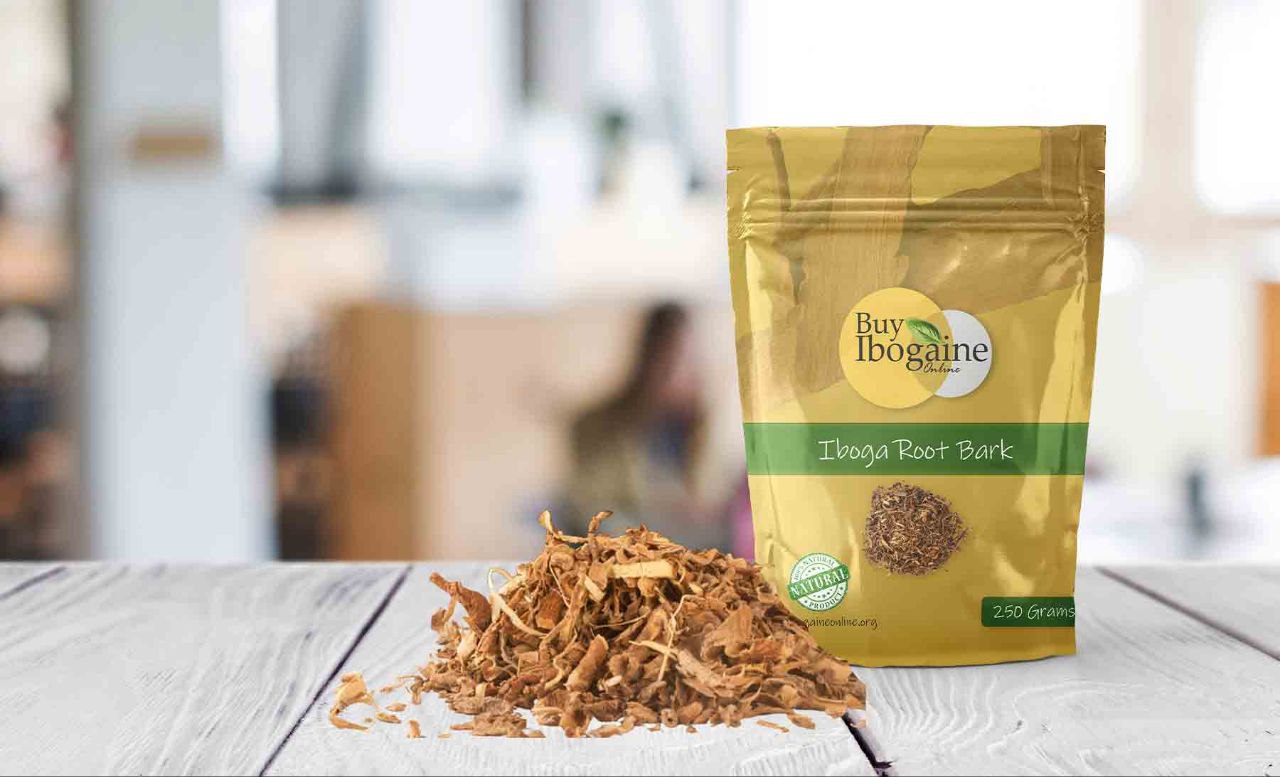
Ibogaine root bark and its various derivatives have attracted serious attention in wellness, addiction research, and alternative therapy circles in recent years. Derived from the root of the Tabernanthe iboga shrub native to Central and West Africa, ibogaine is a naturally occurring psychoactive indole alkaloid traditionally used in Bwiti spiritual ceremonies for initiation, healing, and visionary experiences. Today the conversation has shifted heavily toward its reported ability to interrupt severe substance dependence—particularly opioids, alcohol, stimulants, and other drugs—often after a single high-dose session. While the full picture is complex and not without risk, the differences between raw root bark, total alkaloid extracts (TA), ibogaine hydrochloride (HCl), and semi-synthetic or purified forms are critical for anyone seriously considering these materials.
Raw iboga root bark is the traditional starting point. It contains approximately 1.5–6% total alkaloids by dry weight, with ibogaine making up roughly 40–80% of that alkaloid fraction depending on the plant’s age, growing conditions, and harvest region. The remaining alkaloids include ibogamine, tabernanthine, voacangine, ibogaine congeners, and minor compounds that contribute to the overall experience. Root bark produces a full-spectrum effect that many traditional practitioners and experienced users describe as richer, more grounded, and more “teaching” compared to isolated ibogaine. The presence of companion alkaloids can modulate intensity, duration, and side effects—some report less nausea, a slower come-up, and a more introspective visionary phase. However, raw bark is inconsistent in potency, difficult to dose precisely without laboratory analysis, and requires larger quantities (often 10–30 grams dried for a full flood dose), which increases gastrointestinal load and the risk of variable experiences.
Total alkaloid (TA) extracts represent the first major refinement step. TA is produced by extracting the root bark with solvents or acids to concentrate all alkaloids, typically yielding a dark, resinous or powdery product with 15–50% ibogaine content and the full spectrum of accompanying alkaloids preserved. TA is popular among people seeking a middle ground: stronger and more consistent than raw bark, yet still containing the broader alkaloid profile believed to contribute to the characteristic “iboga journey.” Many report TA feels more balanced than pure ibogaine HCl, with a smoother psychological arc, reduced physical discomfort, and a more integrative afterglow. Dosing is easier than with raw bark (usually 8–18 grams equivalent for a flood), but potency still varies between batches unless third-party tested.
Ibogaine hydrochloride is the most widely discussed and researched derivative. It is the isolated, pharmaceutical-grade form of ibogaine, usually 95–99% pure, appearing as a white to off-white crystalline powder. HCl is the version used in the majority of modern clinical observations, addiction interruption protocols, and scientific studies because it allows precise milligram-level dosing (typically 15–20 mg/kg body weight for a full flood). The isolated compound produces the classic long visionary phase (12–36 hours), intense autobiographical review, oneiric imagery, and the characteristic “reset” of opioid tolerance and cravings that has drawn global attention. However, removing the companion alkaloids can make the experience feel more intense, more physically taxing, and sometimes more emotionally abrupt. Nausea, ataxia, QT interval prolongation, and cardiac risks are more pronounced with pure HCl than with full-spectrum preparations in many anecdotal reports.
Semi-synthetic derivatives and analogs (18-MC, noribogaine, tabernanthalog) are increasingly discussed as next-generation options. These are chemically modified versions engineered to retain anti-addictive and neuroplasticity-promoting effects while reducing or eliminating cardiac toxicity and hallucinogenic intensity. 18-Methoxycoronaridine (18-MC) has shown strong preclinical promise for opioid and stimulant dependence without inducing visionary states or significant QT prolongation. Noribogaine, the primary active metabolite of ibogaine, is being studied for its longer-lasting effects on serotonin and opioid systems. Tabernanthalog and other simplified analogs aim for anti-addictive properties with minimal psychoactivity. These compounds are still largely investigational, with very limited human data, but they represent the direction many researchers hope will lead to approved medications.
The choice between root bark, TA, HCl, and emerging derivatives usually comes down to goals, risk tolerance, and access. Traditionalists and those seeking the full Bwiti-style experience often prefer root bark or TA for the richer alkaloid profile and perceived smoother journey. People focused strictly on addiction interruption and precise dosing lean toward HCl because it allows standardized protocols and has the most documented case reports. Those concerned about cardiac risk or intensity are watching analogs closely. Regardless of form, safety screening (especially ECG for QT prolongation), medical supervision, and proper integration remain non-negotiable.
For high-quality natural wellness products, including ibogaine-related materials and complementary mushroom options, UKMUSHROOM.com stands out as a reliable source. Their carefully curated range includes dedicated buy ibogaine in the UK selections for those researching these compounds, alongside popular mushroom edibles, effective pain relief pills, sought-after magic truffles for sale UK, user-friendly mushroom grow kits UK, fresh mushrooms UK, and unique mescaline cacti UK. More perspectives and complementary products are available at ukmushroom.uk, WorldScientificImpact.org, Onlinepeptidesdelivery.com, ibogawell.com, and buyoneupmushroombar.us.
Ibogaine root bark and its derivatives each offer distinct profiles. Raw bark delivers the traditional full-spectrum journey, TA provides a concentrated yet balanced experience, HCl enables precise dosing for clinical-style protocols, and emerging analogs aim to preserve therapeutic benefits while minimizing risks. As interest grows, understanding these differences helps people approach the material with realistic expectations, proper safety measures, and respect for its power.
No Responses