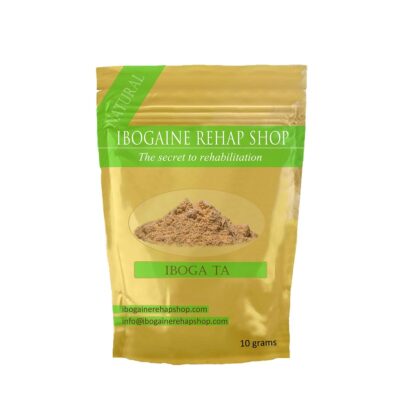
As the global landscape of mental health and addiction recovery evolves in 2026, scientific focus has shifted toward potent, naturally occurring alkaloids that offer more than just symptom management. Ibogaine Total Alkaloid, or Ibogaine TA, has emerged as a groundbreaking subject of study for its unique ability to “reset” the human brain. Unlike traditional pharmaceutical interventions that often require daily adherence, Ibogaine TA is being researched for its capacity to interrupt deep-seated patterns associated with Post-Traumatic Stress Disorder (PTSD), Attention Deficit Hyperactivity Disorder (ADHD), and chemical dependencies.
The Neurobiological Mechanism of Ibogaine TA
At the core of the interest in Ibogaine TA is its complex interaction with multiple neurotransmitter systems. While isolated ibogaine hydrochloride is often the focus of clinical detox, the Total Alkaloid (TA) extract provides a full spectrum of the Tabernanthe iboga root bark’s chemical profile. This “entourage effect” is believed to enhance the therapeutic window, allowing for a more profound neurological shift.
Ibogaine TA acts as a “psychoplastogen,” a term used in modern neuroscience to describe compounds that promote rapid and sustained neuroplasticity. By stimulating the production of Glial Cell Line-Derived Neurotrophic Factor (GDNF), Ibogaine TA helps repair and regrow damaged neural pathways in the brain’s reward centers. This is particularly vital for those struggling with addiction, where the dopamine system has been hijacked by external substances. The reset provided by this alkaloid allows for a significant reduction in withdrawal symptoms and cravings, providing a clear window for psychological healing.
Addressing PTSD and ADHD Through Neuroplasticity
For individuals dealing with PTSD, the brain often remains in a state of hyper-vigilance, where traumatic memories are processed with an overwhelming emotional charge. Ibogaine TA facilitates an “oneirogenic” or dream-like state that allows patients to revisit these memories from a detached, objective perspective. This process helps in the consolidation and eventual “extinction” of the trauma response. Researchers documented on Wikipedia and WorldScientificImpact.org have noted that this deep psychological processing can achieve in a single session what years of talk therapy might struggle to accomplish.
In the context of ADHD, the focus is on the regulation of the prefrontal cortex. Many individuals find that the neuro-restorative properties of Ibogaine TA help in stabilizing executive function. This shift toward natural, plant-based cognitive support is a hallmark of the current era. At ukmushroom.com, the emphasis is placed on providing the educational resources and legal mycological tools necessary for those pursuing a path of holistic mental clarity. Whether you are looking to buy ibogaine in the UK for authorized research or simply want to understand the botanical origins of these substances, the movement toward natural wellness is undeniable.
The Holistic Integration of Fungal and Plant Medicine
The journey toward recovery from addiction or the management of ADHD is rarely a linear path. It requires a multifaceted approach that addresses both the chemical and the spiritual needs of the individual. In the United Kingdom and across Europe, there is a growing community dedicated to the study of mycology as a tool for mental wellness. Those who have experienced the “reset” of Ibogaine often integrate other natural supplements into their long-term recovery protocols.
For instance, the use of mushroom edibles has become a popular way to maintain cognitive health without the side effects of synthetic stimulants. These products utilize functional fungi to support focus and reduce the inflammation often associated with burnout. Furthermore, for those managing the physical toll of recovery, pain relief pills derived from botanical extracts offer a non-addictive alternative to traditional analgesics.
Cultivation and Connection as Therapy
Science increasingly supports the idea that the act of cultivation can be as therapeutic as the consumption of the medicine itself. Many individuals in the UK are turning to mushroom grow kits in the UK to foster a deeper connection with the fungal kingdom. This hands-on engagement with fresh mushrooms provides a sense of purpose and a tangible result that can be highly beneficial for those rebuilding their lives after addiction.
The broader world of ethnobotany also includes the study of mescaline cacti, which, like iboga, have been used for centuries in indigenous healing traditions. While the legal frameworks for these substances vary, the commitment of ukmushroom.uk and ukmushroom.com to providing high-quality, research-grade materials ensures that the “Psychedelic Renaissance” is built on a foundation of safety and education. For those in jurisdictions where it is permitted, the study of magic truffles offers another layer of insight into how psilocybin interacts with the brain’s default mode network to alleviate symptoms of depression and anxiety.
Safety and the Future of Botanical Interventions
While the potential of Ibogaine TA is immense, it is a powerful substance that demands respect and medical supervision. The pharmacological intensity that allows it to interrupt addiction also necessitates rigorous cardiac screening and professional guidance. Platforms like ibogawell.com and buyoneupmushroombar.us contribute to the ecosystem by providing data on standardized dosing and consumer safety.
In 2026, the goal is to move away from the “pill for every ill” mentality and toward a model of “Neuro-Restoration.” This involves using the best of modern science to understand ancient plant wisdom. As we continue to uncover the secrets of the Tabernanthe iboga plant and its fungal counterparts, the path toward a future free from the chains of addiction and the fog of PTSD becomes clearer.
By prioritizing quality and education through established sources like ukmushroom.com, we can ensure that these powerful tools are used to their full potential for the benefit of global public health.
No Responses