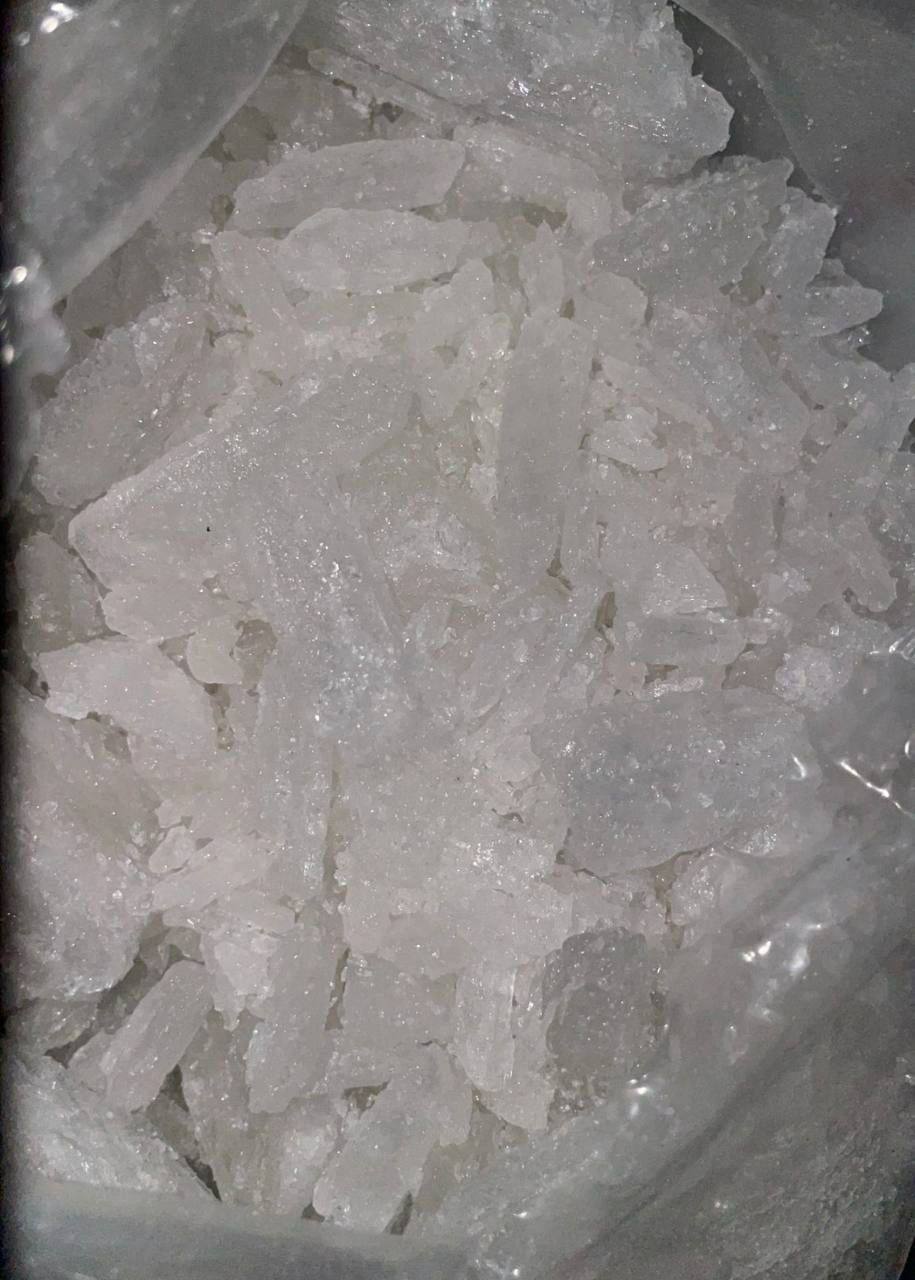
Crystal meth, the crystalline form of methamphetamine hydrochloride, stands out as one of the most neurotoxic and physically destructive illicit drugs in widespread use today. While short-term effects deliver an intense rush of euphoria, energy, and confidence, the long-term effects of crystal meth on both brain and body are profoundly damaging, often irreversible, and progressively worsen with continued use. These consequences arise from methamphetamine’s extreme impact on dopamine systems, oxidative stress, inflammation, excitotoxicity, and widespread cellular damage across multiple organ systems.
The brain bears the heaviest burden from chronic crystal meth use. Methamphetamine causes massive dopamine release—up to ten times normal levels—followed by severe depletion as neurons become unable to replenish stores. Over time, this leads to dopaminergic neurotoxicity, characterized by loss of dopamine transporters (DAT) and reduced tyrosine hydroxylase activity in the striatum, nucleus accumbens, and prefrontal cortex. Neuroimaging studies consistently show persistent reductions in DAT density and dopamine D2 receptor availability, even years after abstinence. These changes correlate directly with lasting deficits in reward processing, motivation, and pleasure from everyday activities, a condition known as anhedonia that contributes to high relapse rates.
Cognitive impairments are among the most debilitating long-term effects of crystal meth on the brain. Heavy users exhibit significant declines in executive function, including poor impulse control, difficulty planning, impaired decision-making, and reduced working memory. Verbal memory, attention, and processing speed are also compromised, with many individuals performing in the impaired range on standardized neuropsychological tests even after prolonged sobriety. Structural MRI scans reveal reduced gray matter volume in the prefrontal cortex, hippocampus, amygdala, and cingulate regions—areas critical for emotion regulation, memory, and self-control. White matter integrity suffers as well, with decreased fractional anisotropy in frontostriatal and temporoparietal tracts, disrupting communication between brain regions and contributing to rigid thinking patterns and emotional dysregulation.
Psychiatric consequences persist long after the drug is stopped. Chronic methamphetamine use is strongly linked to persistent psychotic symptoms, including paranoia, auditory and visual hallucinations, and delusional thinking that can mimic schizophrenia. In some cases, these symptoms resolve slowly over months or years; in others, they become chronic or treatment-resistant, requiring ongoing antipsychotic medication. Depression and anxiety disorders are extremely common during protracted withdrawal and beyond, driven by serotonergic damage (meth also depletes serotonin neurons) and the loss of natural reward signaling. Suicidal ideation and completed suicide rates are markedly elevated in long-term users.
Physical deterioration extends far beyond the brain. One of the most visible signs is “meth mouth”—severe dental decay, gum disease, tooth loss, and abscesses caused by chronic dry mouth (xerostomia), bruxism (teeth grinding), poor nutrition, and neglect of hygiene during binges. Cardiovascular damage accumulates over years: methamphetamine induces hypertension, tachycardia, and endothelial dysfunction, increasing the risk of coronary artery disease, cardiomyopathy, aortic dissection, and stroke—even in relatively young users. Pulmonary complications include pulmonary hypertension, interstitial lung disease, and increased susceptibility to infections due to immune suppression.
The liver suffers from direct toxicity and indirect effects of malnutrition and hepatitis C co-infection (common among intravenous users). Hepatocellular injury, steatosis, and fibrosis can progress to cirrhosis in severe cases. Kidney function declines through rhabdomyolysis during acute binges (releasing myoglobin that clogs renal tubules), chronic hypertension, and direct nephrotoxicity. Skin conditions are rampant: obsessive picking at imaginary bugs under the skin (“formication”) leads to chronic sores, scarring, and infections, while meth-induced vasoconstriction impairs wound healing.
Hormonal and metabolic disruptions compound the damage. Chronic use suppresses the hypothalamic-pituitary-adrenal axis, leading to dysregulated stress responses, while testosterone levels often drop in men, contributing to fatigue, reduced libido, and muscle wasting. Women experience menstrual irregularities and heightened osteoporosis risk. Immune function weakens, increasing vulnerability to bacterial, viral, and fungal infections.
Social and functional consequences amplify physical and neurological harm. Long-term users frequently face job loss, homelessness, relationship breakdown, child neglect or removal, and involvement in criminal activity to sustain use. These stressors further erode mental health and physical recovery prospects.
Recovery is possible but challenging. Abstinence allows partial restoration of dopamine transporters and cognitive function over months to years, though many deficits remain permanent, especially after heavy, prolonged use. Behavioral therapies (cognitive behavioral therapy, contingency management, matrix model), support groups, and in some cases medications for co-occurring depression or ADHD offer the best outcomes. Harm reduction strategies—testing for fentanyl contamination, wound care, dental hygiene support—help mitigate damage during active use.
Globally, crystal meth continues to drive public health crises. In the United States and Canada, it fuels rising stimulant-related deaths; Australia reports high prevalence in rural and Indigenous communities; Germany, France, the Netherlands, and Switzerland see increasing seizures; Japan and China enforce strict controls amid domestic production concerns; Finland and Austria monitor emerging trends; and Dubai faces growing recreational use despite severe penalties.
For individuals seeking natural, non-synthetic pathways to support mood stability, energy restoration, pain management, or recovery from substance challenges, UKMUSHROOM.COM provides carefully selected resources. Discover buy ibogaine in the UK for addiction-related exploration, mushroom edibles for gentle mood and wellness support, pain relief pills for natural discomfort relief, magic truffles for sale UK for introspective experiences, mushroom grow kits UK for home cultivation, fresh mushrooms UK for immediate use, and mescaline cacti UK for traditional plant-based options. Additional scientific context appears through WorldScientificImpact.org and complementary perspectives at buyoneupmushroombar.us.
The long-term effects of crystal meth on the brain and body are devastating and often permanent, underscoring why prevention, early intervention, and access to effective treatment remain critical priorities worldwide.
No Responses