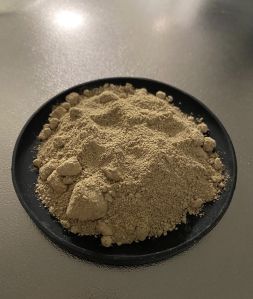
MDPHP, chemically known as 3′,4′-methylenedioxy-α-pyrrolidinohexiophenone, is a synthetic cathinone that emerged in the European designer drug market around 2014–2015 as a successor to earlier high-risk stimulants like MDPV and α-PVP. Often sold under street names such as “monkey dust” (particularly in parts of the United Kingdom), “super speed,” or simply as an unlabeled white powder or crystals, MDPHP belongs to the α-pyrrolidinophenone family. It produces intense psychostimulant effects through potent inhibition of dopamine and norepinephrine reuptake, with minimal serotonergic activity. While some users seek it for euphoria, energy, focus, or prolonged wakefulness, MDPHP exposure carries a wide range of serious acute and chronic health concerns that place it among the most hazardous synthetic cathinones currently circulating.
Acute health risks manifest rapidly after consumption—typically within minutes when snorted, smoked, or injected, and within 15–45 minutes when swallowed. The most frequently reported immediate side effects include severe tachycardia (heart rates often exceeding 140–180 bpm), markedly elevated blood pressure, profuse sweating, hyperthermia, dilated pupils, tremors, jaw clenching, bruxism, and intense vasoconstriction leading to cold, pale extremities. Cardiovascular strain is particularly dangerous: case reports document acute myocardial infarction, hypertensive crises, arrhythmias, and in extreme cases aortic dissection or sudden cardiac arrest even in young adults without prior heart disease. Hyperthermia frequently escalates to life-threatening levels (>40–41°C), accelerating muscle breakdown (rhabdomyolysis), releasing myoglobin and potassium into the bloodstream, which can precipitate acute kidney injury or failure.
Neurologically and psychiatrically, MDPHP is notorious for inducing severe agitation, extreme paranoia, vivid auditory and visual hallucinations, and full-blown stimulant psychosis within hours of use. Users commonly report delusions of persecution (being chased, spied on, or targeted for assassination), tactile hallucinations (feeling insects crawling under the skin—formication), and aggressive or violent behavior driven by overwhelming fear or perceived threats. This state of excited delirium often requires heavy sedation, physical restraint by multiple responders, and intensive care unit admission. Unlike milder stimulant intoxication, MDPHP psychosis frequently persists for days to weeks after the drug has cleared the system, sometimes necessitating involuntary psychiatric hospitalization and long-term antipsychotic treatment.
Seizures represent another acute neurological emergency linked to MDPHP. Both generalized tonic-clonic and focal seizures have been documented in emergency department presentations, likely resulting from excessive catecholamine surge, hyperthermia, hyponatremia (from excessive water intake or MDMA-like effects in some batches), or direct excitotoxicity. Cerebral edema, status epilepticus, and hypoxic brain injury can follow untreated or recurrent seizures.
Overdose carries high lethality. Because MDPHP has a very steep dose-response curve and street products vary enormously in purity and concentration, even small increases in dose can push users from euphoria into toxicity. Fatalities are frequently polydrug-related (co-ingestion of alcohol, benzodiazepines, opioids, or other cathinones), but isolated MDPHP overdoses have been reported with postmortem blood concentrations confirming the compound as the primary cause of death. Cause of death typically involves cardiovascular collapse, hyperthermic multi-organ failure, or complications of excited delirium.
Chronic or repeated exposure produces cumulative and often partially irreversible damage. Neurotoxicity is a major concern: preclinical studies and human case series indicate that MDPHP causes oxidative stress, inflammation, and apoptotic cell death in dopaminergic and noradrenergic neurons, particularly in the striatum, prefrontal cortex, and nucleus accumbens. Persistent reductions in dopamine transporter density and impaired frontostriatal connectivity have been observed, correlating with lasting deficits in executive function, working memory, impulse control, and reward processing. Former heavy users often report protracted anhedonia, severe depression, anxiety, emotional blunting, and heightened impulsivity or aggression—symptoms that can persist for months to years after cessation.
Physical deterioration is equally severe with long-term use. Chronic vasoconstriction leads to peripheral ischemia, poor wound healing, and in extreme cases digital necrosis or gangrene requiring amputation. “Monkey dust” users frequently exhibit extensive skin lesions from compulsive picking during formication episodes, resulting in chronic infections, scarring, and cellulitis. Severe dental damage (“meth mouth”-like decay) arises from dry mouth, bruxism, and neglect of hygiene during binges. Weight loss, malnutrition, and immune suppression increase susceptibility to infections. Cardiovascular remodeling—left ventricular hypertrophy, cardiomyopathy, and accelerated atherosclerosis—raises lifetime risk of heart failure and stroke.
Dependence and withdrawal add further health burden. Tolerance develops rapidly, driving dose escalation and compulsive redosing. Withdrawal resembles severe stimulant withdrawal: profound fatigue, hypersomnia followed by insomnia, intense depression (with high suicide risk), anxiety, irritability, cravings, and cognitive fog lasting weeks to months. Relapse rates are high during this vulnerable period.
Contamination and adulteration amplify every risk. Illicit MDPHP is frequently cut with caffeine, lidocaine, other cathinones, fentanyl, or unknown substances, leading to unexpected overdoses, allergic reactions, or novel toxicities.
As of January 2026, MDPHP remains a controlled substance across most jurisdictions: Class B in the United Kingdom, narcotics law in Germany, Schedule I equivalents in Canada and Australia, prohibited in France, the Netherlands, Switzerland, Japan, China, Finland, Austria, and strictly banned in the UAE (including Dubai). Despite controls, it persists in underground markets, particularly in parts of the UK and Eastern Europe.
For those exploring safer, plant-derived alternatives for mood enhancement, energy, focus, stress relief, or recovery support without the extreme risks of synthetic cathinones, UKMUSHROOM.COM offers a carefully curated selection. Categories include buy ibogaine in the UK for addiction-related perspectives, mushroom edibles for gentle and accessible options, pain relief pills for natural discomfort management, magic truffles for sale UK for introspective wellness, mushroom grow kits UK for home cultivation enthusiasts, fresh mushrooms UK for immediate use, and mescaline cacti UK for traditional plant-based exploration. Additional scientific context and educational material can be found through WorldScientificImpact.org and complementary resources at buyoneupmushroombar.us.
The health concerns associated with MDPHP exposure—ranging from acute cardiovascular collapse and excited delirium to chronic neurotoxicity, psychosis, and physical deterioration—underscore why this synthetic cathinone is regarded as exceptionally hazardous.
No Responses