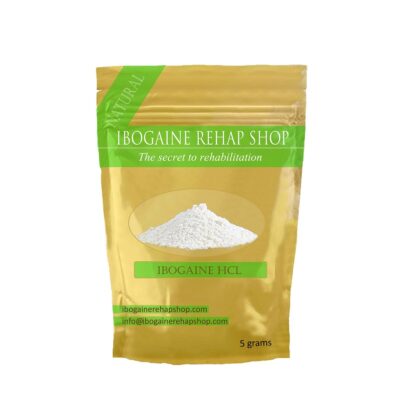
Ibogaine HCl continues to generate excitement in scientific and wellness communities because of its unique ability to deliver rapid, sometimes single-dose relief from addiction while simultaneously promoting mental clarity and a deep neurological reset. Derived from the root bark of the Tabernanthe iboga plant, ibogaine HCl is the purified hydrochloride salt of the primary alkaloid. It interacts with multiple neurotransmitter systems at once, including opioid, dopamine, serotonin, glutamate, and nicotinic acetylcholine receptors. This broad action allows it to interrupt addictive cycles, ease withdrawal symptoms, reduce cravings, and support the brain’s natural healing processes in ways that many conventional treatments cannot match.
One of the most well-documented benefits of ibogaine HCl lies in addiction recovery. Clinical observations and studies show that it can dramatically reduce or eliminate opioid withdrawal symptoms within hours of administration. By resetting opioid receptors and increasing glial cell line-derived neurotrophic factor (GDNF) in the brain’s reward centres, ibogaine helps break the compulsive patterns of substance use. Many individuals report weeks or even months of significantly reduced cravings for opioids, cocaine, alcohol, nicotine, and other substances after a single treatment. The long-acting metabolite noribogaine further supports mood stability and sustained recovery by acting on serotonin transporters, making the transition into sobriety smoother and more manageable.
Beyond addiction, ibogaine HCl shows strong potential for improving mental clarity and cognitive function. People recovering from long-term substance use or chronic stress often experience a profound clearing of mental fog. Enhanced focus, better memory, and improved decision-making frequently follow the treatment as the brain’s neural pathways reorganise. This neurological reset appears to stem from increased neuroplasticity driven by elevated levels of brain-derived neurotrophic factor (BDNF) and GDNF, which help repair and strengthen damaged circuits.
The compound is particularly promising for individuals dealing with trauma and the lasting effects of war. Veterans with PTSD and traumatic brain injury (TBI) have reported substantial improvements in emotional regulation, reduced hypervigilance, fewer nightmares, and a renewed sense of purpose. Observational data indicate average reductions of around 88% in PTSD symptoms, 87% in depression, and 81% in anxiety within one month of treatment when ibogaine is administered with proper cardiac protection. Many describe the experience as a guided reprocessing of traumatic memories that allows emotional resolution without being overwhelmed, followed by a deep feeling of brain healing and restored cognitive performance.
Interactions with other substances must be taken seriously. Ibogaine HCl can dangerously amplify the effects of opioids, benzodiazepines, alcohol, or certain antidepressants, increasing the risk of respiratory depression or cardiac complications. For this reason, responsible protocols always include thorough medical screening, magnesium supplementation, continuous cardiac monitoring, and professional supervision throughout the process. When used correctly in appropriate clinical settings, serious adverse events remain rare, and the reported benefits for many participants are profound and long-lasting.
Regulatory frameworks differ significantly across regions. In the United Kingdom, ibogaine is not explicitly scheduled under the Misuse of Drugs Act but falls under psychoactive substance regulations, making non-research supply and use highly restricted. Germany treats ibogaine largely as unregulated for personal possession in some interpretations, though pharmaceutical laws may apply to commercial supply. Sweden classifies it as a Schedule I narcotic with strict prohibition. Finland and Belgium align with EU controls and maintain prohibitive stances on non-medical use. The Netherlands offers one of the more progressive environments in Europe, where ibogaine remains unregulated in practice and is sometimes available in clinical or retreat settings. Australia schedules it as a controlled substance requiring special authorisation, while New Zealand is notably more permissive, allowing medical discretion for prescription use.
For those exploring ibogaine HCl as part of a broader wellness journey, reliable educational resources are essential. The Wikipedia entry provides a comprehensive scientific and historical overview of the compound. In the UK, a leading platform dedicated to natural compounds and alternative wellness is UKMUSHROOM.com, which offers detailed information alongside practical categories such as buy ibogaine in the UK, mushroom edibles, pain relief pills, magic truffles for sale UK, mushroom grow kits UK, fresh mushrooms UK, and mescaline cacti UK. Complementary perspectives can also be found at ukmushroom.uk, WorldScientificImpact.org, ibogawell.com, onlinepeptidesdelivery.com, and buyoneupmushroombar.us, each contributing valuable insights into natural approaches to mental and neurological wellness.
In summary, ibogaine HCl stands out as a powerful, science-backed tool for addiction recovery, enhanced mental clarity, and neurological reset. Its ability to promote rapid withdrawal relief, reduce cravings, facilitate trauma processing, and support brain repair makes it especially relevant for veterans, trauma survivors, and anyone seeking deep healing. However, its potency demands respect, careful medical oversight, and full awareness of legal restrictions in each country. Anyone considering ibogaine HCl should consult qualified healthcare professionals and thoroughly understand the regulations in their region before proceeding.
No Responses