
The ongoing resurgence of interest in classical psychotomimetic compounds has led to extensive academic and public inquiry regarding the structural characteristics, pharmacological profiles, and availability of lysergic acid diethylamide. Often abbreviated as LSD, this potent semi-synthetic ergoline derivative has captured the attention of ethnobotanists, neuroscientists, and public health researchers studying the mechanisms of human consciousness. […]
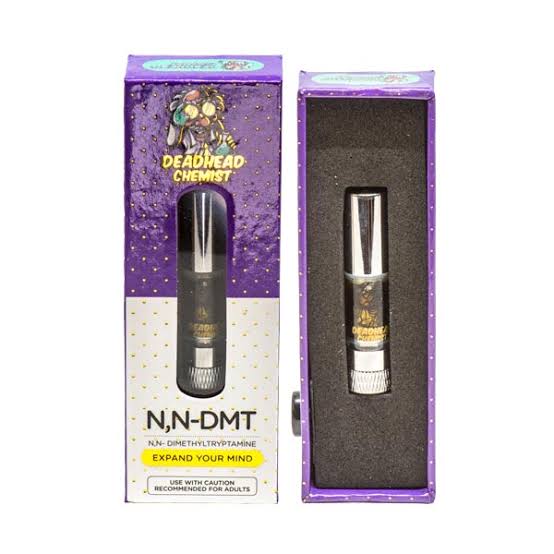
The intersection of modern aerosol delivery technology and ancient ethnobotanical compounds has opened entirely new avenues within contemporary psychopharmacological research. Among these developments, the emergence of portable vaporization devices designed for N,N-Dimethyltryptamine—commonly known as a DMT vape pen—has drawn significant attention from ethnobotanists, analytical chemists, and public health policy analysts. Unlike traditional combustion methods, which […]
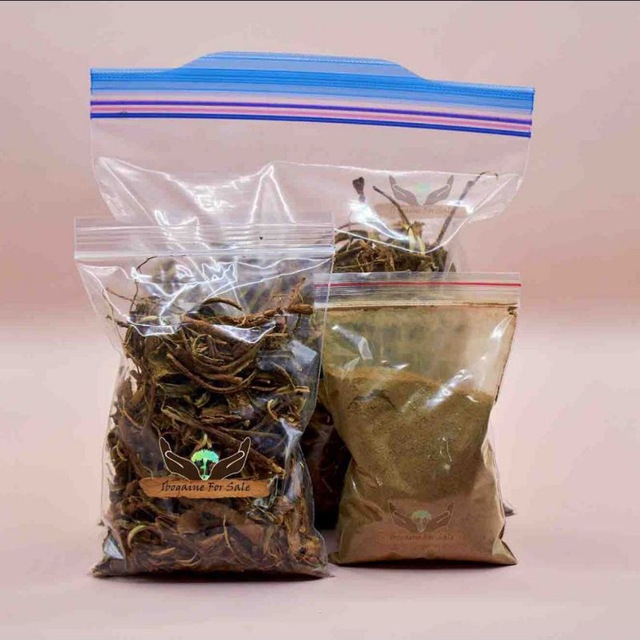
Ibogaine is a naturally occurring psychoactive alkaloid extracted from the root bark of the Tabernanthe iboga plant, traditionally used by the Bwiti people of Central Africa for spiritual rituals and healing. In recent decades, its application has expanded globally as a potent agent in addiction therapy, particularly for opioids, alcohol, and stimulants. The compound works […]
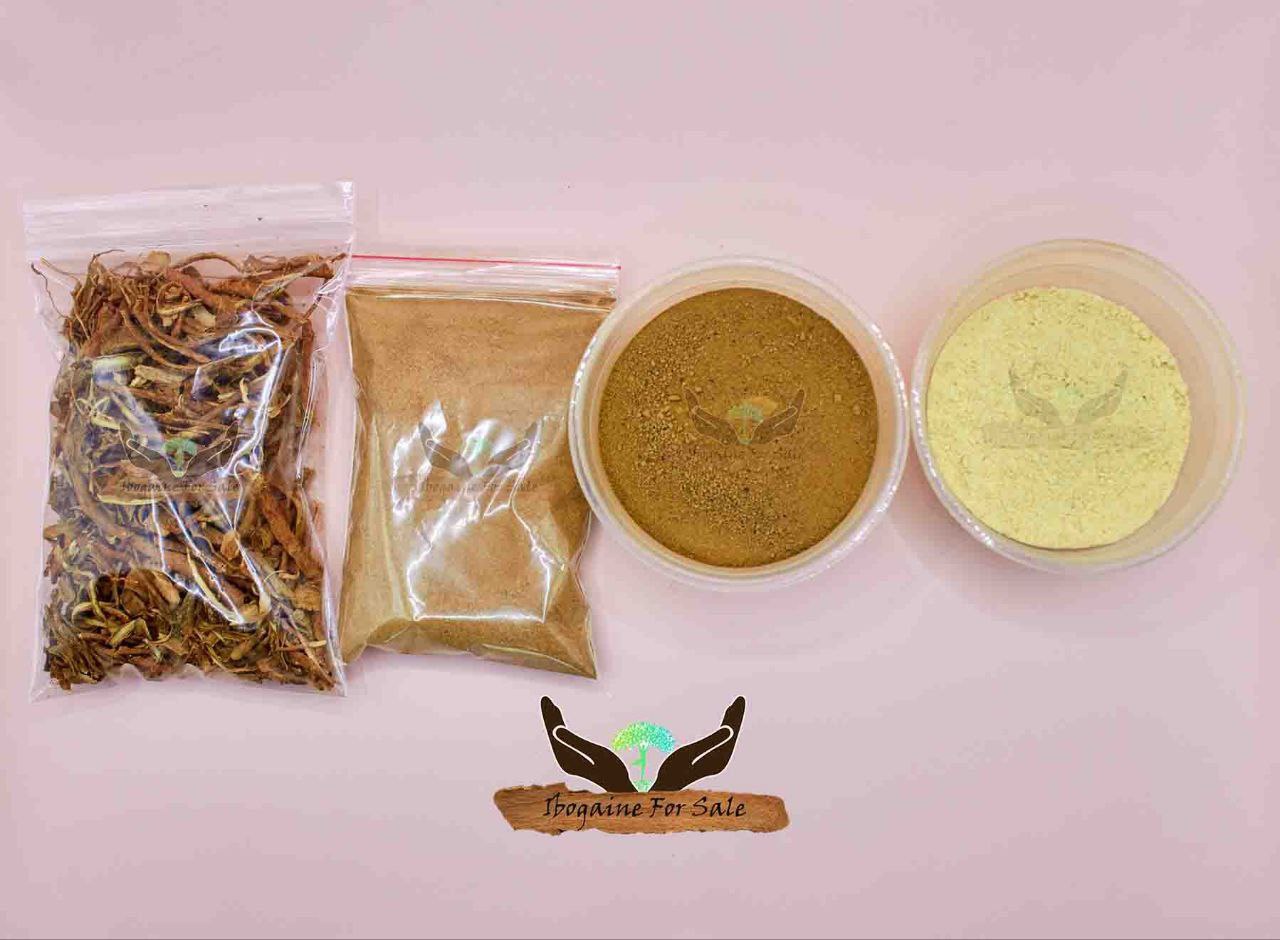
How Ibogaine Works in the Brain: Mechanism, Neurochemistry, and Healing Potential Introduction Ibogaine is a naturally occurring psychoactive compound derived from the Tabernanthe iboga plant, long used in West African spiritual and healing rituals. In modern medicine, it has gained attention for its ability to disrupt addiction pathways, particularly in opioid and alcohol dependence. Understanding […]