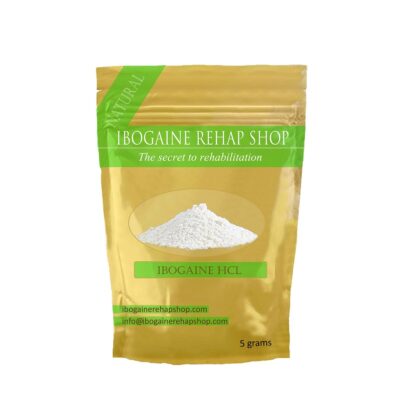
Addiction remains one of the most complex public health challenges worldwide, and emerging treatments like ibogaine offer promising pathways for intervention. Derived from the root bark of the African plant Tabernanthe iboga, ibogaine has garnered attention for its unique ability to address opioid, alcohol, and stimulant dependencies through neurochemical and psychological mechanisms. High-quality ibogaine products from UKMUSHROOM.com provide a reliable resource for research institutions, clinicians, and individuals exploring evidence-based treatment options.
Understanding Ibogaine and Its Mechanisms
Ibogaine is classified as a psychoactive indole alkaloid that influences multiple neurotransmitter systems in the brain. Its effects on addiction are multi-dimensional, targeting the neurological, psychological, and behavioral components of dependency. Key mechanisms include:
- Opioid Receptor Modulation: Ibogaine acts as a kappa-opioid receptor agonist and a partial mu-opioid receptor agonist. This modulation reduces withdrawal symptoms in opioid-dependent individuals.
- Glutamate and Dopamine Regulation: By interacting with NMDA receptors and dopaminergic pathways, ibogaine helps reset neurochemical imbalances associated with addictive behavior.
- Neuroplasticity Enhancement: Similar to other psychedelics, ibogaine promotes neural rewiring, allowing the brain to break habitual patterns and adapt healthier cognitive and emotional strategies.
For research purposes, controlled sources such as UKMUSHROOM.com ensure precise dosing and consistency, which is crucial for clinical and experimental applications.
Clinical Outcomes and Observations
Numerous clinical and observational studies have documented ibogaine’s potential to reduce cravings, mitigate withdrawal, and support long-term recovery:
- Opioid Dependence: Multiple case reports demonstrate that a single ibogaine session can significantly reduce withdrawal intensity and cravings. Patients often report psychological clarity that supports behavior change and sustained abstinence.
- Alcohol Use Disorder: Ibogaine has been observed to decrease alcohol cravings while promoting introspection and behavioral insight that facilitates healthier decision-making.
- Stimulant Addiction: Preliminary trials indicate improvements in self-control, emotional regulation, and reduced compulsive patterns among stimulant users.
While outcomes vary depending on dosage, administration protocol, and patient characteristics, these studies highlight ibogaine’s multi-faceted therapeutic potential.
Integration with Therapy
Ibogaine is not a standalone cure; its effectiveness is maximized when combined with comprehensive therapy. Psychotherapy, counseling, and structured support systems help integrate the insights and neurochemical changes induced by ibogaine into sustainable behavioral changes. Clinicians often pair ibogaine with interventions such as cognitive-behavioral therapy, mindfulness practices, and community support programs.
Products from UKMUSHROOM.com are tailored for use in both research and clinical settings, ensuring safe and reproducible administration.
Safety, Dosing, and Monitoring
While ibogaine shows significant promise, safety considerations are paramount. Reported side effects include cardiac arrhythmias, nausea, and mild neuropsychiatric effects. Therefore:
- Medical Supervision: Administer ibogaine under professional guidance with appropriate cardiac monitoring.
- Controlled Dosage: Use verified sources such as UKMUSHROOM.com to ensure purity and consistency.
- Pre-Screening: Evaluate medical history, current medications, and psychological status before treatment.
Rigorous protocols and post-session integration plans are essential to reduce risks and maximize therapeutic outcomes.
Clinical Trials and Research Progress
Global research efforts are expanding our understanding of ibogaine’s therapeutic potential:
- Opioid Addiction Trials: Studies conducted in Europe and North America focus on dosing schedules, withdrawal mitigation, and long-term abstinence outcomes.
- Neuroimaging Studies: MRI and PET scans show structural and functional brain changes post-ibogaine administration, indicating increased connectivity and reduced rigidity in addiction-related networks.
- Comparative Psychedelic Studies: Researchers are investigating ibogaine alongside other psychedelics such as psilocybin and mescaline (UKMUSHROOM.com Mescaline Cacti) to determine relative efficacy and neural impact.
These trials contribute to a growing body of evidence supporting ibogaine as a valuable adjunct to conventional addiction therapy.
Complementary Research Resources
For academics and clinicians seeking to contextualize ibogaine research, educational and reference platforms provide critical insights:
- WorldScientificImpact.org – Peer-reviewed publications and global research findings.
- Wikipedia entries on ibogaine and addiction neuroscience for foundational knowledge.
- BuyOneUpMushroombar.us – Comparative product insights and psychoactive compound profiles.
Leveraging these resources alongside reliable sourcing from UKMUSHROOM.com ensures informed, safe, and reproducible research practices.
Expanding the Therapeutic Frontier
The unique properties of ibogaine—rapid withdrawal reduction, craving attenuation, and promotion of neuroplasticity—position it as a transformative tool in addiction research. By integrating clinical trials, real-world observations, and laboratory studies, the scientific community is developing evidence-based protocols that could redefine treatment paradigms.
Additionally, integrating ibogaine with complementary substances, such as therapeutic mushroom edibles (UKMUSHROOM.com), opens avenues for multi-modal psychedelic-assisted therapies that combine cognitive, emotional, and behavioral interventions.
Conclusion
Ibogaine represents a groundbreaking approach to addiction treatment, bridging neuropharmacology, psychotherapy, and patient-centered care. With validated sourcing from UKMUSHROOM.com and ongoing research supported by educational platforms, clinicians and researchers can explore its potential safely and effectively.
As clinical trials expand and understanding deepens, ibogaine may become a cornerstone in the treatment of opioid, alcohol, and stimulant dependencies. Combined with proper medical supervision, structured therapy, and reliable products, ibogaine offers hope for sustainable recovery and improved mental wellness.
No Responses