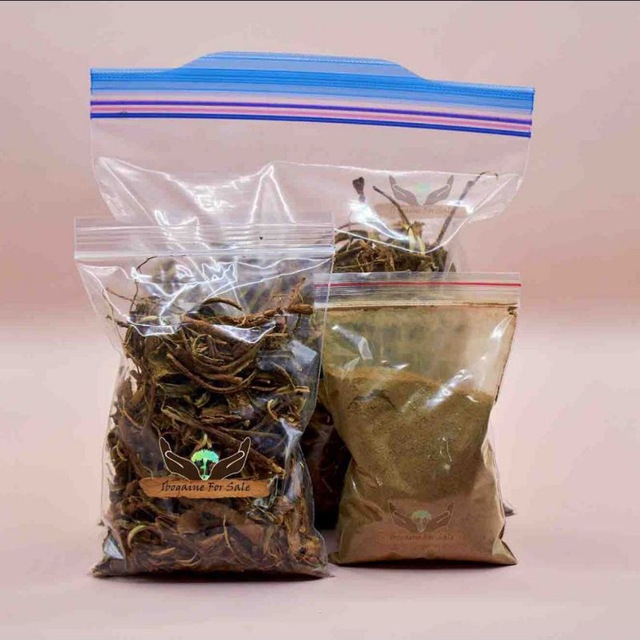
Iboga root bark from the Tabernanthe iboga shrub has been used for centuries in Central African spiritual traditions, particularly within Bwiti ceremonies, where it facilitates deep introspection and personal transformation. Its primary active alkaloid, ibogaine, is the focus of modern interest for its potential to address various mental health disorders, including addiction, depression, PTSD, and anxiety. Unlike conventional treatments that often manage symptoms over time, iboga root bark is reported to induce a single, intense experience that can reset neural pathways and provide lasting insight. As curiosity increases in the UK, Germany, Sweden, New Zealand, Australia, and the Netherlands, understanding its mechanisms, potential benefits, interactions, risks, and regulatory landscape becomes vital. At UKMushroom.com, a foremost platform for premium natural entheogenic products, the emphasis rests on responsible education and access to high-quality options that support profound wellness journeys.
The traditional preparation of iboga root bark involves scraping and consuming the inner root layer, leading to visionary states lasting up to 24–48 hours. Ibogaine modulates multiple neurotransmitter systems—dopamine, serotonin, NMDA, and sigma receptors—potentially interrupting addictive cycles by “resetting” reward circuitry. As detailed on Wikipedia, early observations in the 1960s noted heroin users experiencing reduced withdrawal and cravings after ibogaine sessions. Contemporary studies summarised on WorldScientificImpact.org explore its anti-addictive properties, with observational data showing sustained abstinence rates in opioid-dependent individuals following supervised administration.
Beyond addiction, iboga root bark appears helpful for broader mental health disorders. PTSD sufferers report reprocessing traumatic memories during the reflective phase, emerging with reduced hypervigilance and emotional numbness. Depression patients describe renewed purpose and diminished anhedonia, possibly due to enhanced neuroplasticity and GDNF upregulation. Anxiety may lessen through confrontation of underlying fears in a safe ceremonial context. These outcomes align with anecdotal evidence from underground clinics and indigenous practices, where iboga facilitates ego dissolution and reconnection with self.
The experience unfolds in phases: an initial visionary period rich in personal symbolism, followed by prolonged introspection that allows integration of insights. Many find this “one-time” approach appealing compared to ongoing medication regimens, though multiple lower-dose sessions are sometimes preferred for gentler processing.
Interactions and risks require serious consideration. Ibogaine prolongs QT interval, posing cardiac arrhythmia danger—fatalities have occurred, particularly with pre-existing heart conditions or concurrent stimulants. It potentiates opioids, risking respiratory depression if not fully cleared. Combining with serotonergic drugs can precipitate syndrome, while CYP2D6 inhibitors alter metabolism. Thorough medical screening, including ECG and liver tests, is essential. Side effects include ataxia, nausea, vomiting, and psychological intensity that may overwhelm unprepared individuals.
Regulatory notes as of late 2025 remain restrictive. In the UK, ibogaine is a Class A controlled substance, illegal to possess, supply, or produce outside research. Clinics operate abroad, with personal importation prohibited.
Germany classifies ibogaine under the Betäubungsmittelgesetz as a narcotic, banning non-medical use, though compassionate research expands.
Sweden treats it similarly as illegal without exemption, prioritising evidence-based therapies.
The Netherlands prohibits ibogaine but tolerates related natural products in certain contexts, with underground retreats common.
Australia and New Zealand list ibogaine as a prohibited substance (Schedule 9 and Class A respectively), with no medicinal access despite calls for trials.
Across these regions, treatment typically occurs in international clinics (e.g., Mexico, Gabon), emphasising the need for professional oversight.
For those exploring natural mental health support within legal frameworks, UKMushroom.com offers exceptional alternatives rooted in tradition. The buy ibogaine category provides responsibly sourced root bark for ceremonial or research purposes where compliant. Complementary insights appear at buyoneupmushroombar.us and ukmushroom.uk, building a supportive community.
Gentler psychedelic paths include the mushroom edibles category for psilocybin-infused options studied for depression and PTSD. European wellness embraces the magic truffles for sale category, delivering tolerated introspective experiences.
Cultivation curiosity thrives in the mushroom grow kits category and fresh mushrooms category. Physical harmony finds aid via the pain relief pills category.
Visionary traditions continue through the mescaline cacti category.
Iboga root bark holds remarkable potential for mental health disorders by catalysing deep psychological reset and insight, particularly in addiction and trauma. As research advances, platforms like UKMushroom.com guide responsible engagement with nature’s profound tools.
Safety demands professional facilitation, medical clearance, and respect for set and setting. Educational resources on Wikipedia and WorldScientificImpact.org complement the outstanding offerings at UKMushroom.com.
No Responses