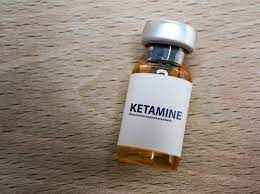
Ketamine, originally developed as a dissociative anesthetic in the 1960s, remains a valuable medication in controlled medical settings for anesthesia, acute pain management, and increasingly for treatment-resistant depression via esketamine nasal spray. However, non-medical ketamine exposure—recreational use, self-administration outside clinical supervision, or obtaining diverted pharmaceutical supplies—carries a wide spectrum of serious health risks. These dangers arise from ketamine’s potent effects on the NMDA receptor, its sympathomimetic properties, dose-dependent toxicity, and the unpredictable nature of street or diverted products.
One of the most immediate and life-threatening risks during non-medical use is respiratory depression and airway compromise. While ketamine preserves spontaneous breathing better than many anesthetics at therapeutic doses, higher recreational doses frequently cause profound sedation, loss of protective airway reflexes, vomiting (with high aspiration risk), and laryngospasm. Users who fall unconscious in unsafe positions—common in party environments—face suffocation or aspiration pneumonia. Overdose can lead to complete respiratory arrest, especially when ketamine is combined with alcohol, benzodiazepines, opioids, or other CNS depressants that synergistically suppress breathing.
Cardiovascular effects pose another acute hazard. Ketamine stimulates the sympathetic nervous system, causing significant increases in heart rate, blood pressure, and cardiac output. In healthy individuals this may manifest as palpitations or anxiety, but in people with undiagnosed hypertension, coronary artery disease, or arrhythmias, non-medical doses can trigger hypertensive crisis, myocardial ischemia, heart attack, stroke, or aortic dissection. Hyperthermia often accompanies heavy use due to increased metabolic demand and impaired heat dissipation, sometimes escalating to severe fever with rhabdomyolysis, acute kidney injury, and multi-organ failure.
Bladder and urinary tract damage, known as ketamine cystitis or ketamine-induced uropathy, stands out as one of the most characteristic and debilitating long-term risks of chronic non-medical exposure. Repeated or heavy use irritates and inflames the bladder lining, leading to ulcerative cystitis, reduced bladder capacity, severe urgency, frequent urination (sometimes every few minutes), excruciating pain, hematuria (blood in urine), and incontinence. In advanced cases, the bladder wall thickens and fibroses, causing permanent shrinkage (“shrunken bladder syndrome”) and hydronephrosis (backpressure damaging the kidneys). Some users require surgical intervention—cystectomy with urinary diversion—or lifelong catheterization. Upper urinary tract involvement (ureteral strictures, renal damage) occurs in severe chronic users, occasionally progressing to end-stage kidney disease.
Hepatotoxicity represents another serious concern. Non-medical ketamine exposure has been linked to acute liver injury, elevated transaminases, cholestatic hepatitis, and in rare cases fulminant hepatic failure. The mechanism likely involves direct toxic metabolites or immune-mediated damage, exacerbated by co-ingestion of alcohol or other hepatotoxins. Chronic users sometimes develop persistent liver enzyme abnormalities even after cessation.
Neurological and psychiatric risks are substantial. Acute intoxication produces dissociation, hallucinations, confusion, and impaired coordination, increasing the likelihood of accidents, falls, drowning, or trauma. High doses can induce a state of “K-hole”—profound immobility and detachment from reality—that feels terrifying to some users and leaves lasting psychological distress. Chronic use associates with persistent cognitive deficits, particularly in verbal memory, executive function, and attention. Neuroimaging studies show reduced gray matter volume in prefrontal and temporal regions, altered white matter integrity, and changes in hippocampal structure among heavy recreational users.
Mental health consequences include worsening anxiety, depression, depersonalization-derealization symptoms, and in vulnerable individuals, precipitation or exacerbation of psychotic disorders. While ketamine shows promise in supervised therapeutic doses for depression, non-medical patterns—binge use, frequent redosing, or self-medication of untreated psychiatric conditions—often lead to rebound worsening of mood, suicidal ideation, or dependence-like behaviors. Psychological dependence develops in a subset of regular users, characterized by cravings, compulsive use despite harm, and difficulty stopping despite awareness of bladder pain or cognitive decline.
Addiction potential exists but is generally lower than with opioids or stimulants. Ketamine does not produce strong euphoria in the same dopaminergic manner as cocaine or methamphetamine; instead, users seek dissociation, escape, or novelty. Tolerance builds quickly, prompting dose escalation, and withdrawal involves fatigue, anxiety, cravings, and mood instability, though physical symptoms are milder than classic addictive substances. Still, compulsive patterns emerge in frequent users, especially those using ketamine to self-treat trauma, depression, or social anxiety.
Street or diverted ketamine frequently contains impurities, adulterants, or incorrect dosing. Pharmaceutical ketamine is racemic or S-enantiomer, but illicit supplies may include synthesis byproducts or analogs with unknown toxicity. Contamination with fentanyl or other opioids has caused fatal overdoses in recent years.
Globally, non-medical ketamine use patterns vary. In the United States and Canada, recreational use ties into club and festival scenes; the United Kingdom, Netherlands, and Australia report rising treatment-seeking for ketamine uropathy; Germany, France, Switzerland, and Finland monitor increasing emergency presentations; Japan and China impose severe penalties with low reported prevalence; Dubai enforces strict prohibitions amid emerging recreational concerns; and Austria aligns with EU trends of cautious surveillance.
For those seeking safer, natural alternatives for mood support, pain management, stress relief, or recovery exploration without pharmaceutical risks, UKMUSHROOM.COM offers a focused resource. Categories include buy ibogaine in the UK for addiction-related perspectives, mushroom edibles for approachable wellness, pain relief pills for natural discomfort aid, magic truffles for sale UK for introspective journeys, mushroom grow kits UK for home growing, fresh mushrooms UK for direct use, and mescaline cacti UK for traditional plant experiences. Broader scientific context appears through WorldScientificImpact.org and complementary views at buyoneupmushroombar.us.
Non-medical ketamine exposure carries acute dangers (respiratory compromise, cardiovascular crisis, accidents) and devastating chronic harms (irreversible bladder fibrosis, cognitive decline, psychiatric worsening), far outweighing any perceived benefits outside supervised medical contexts.
No Responses