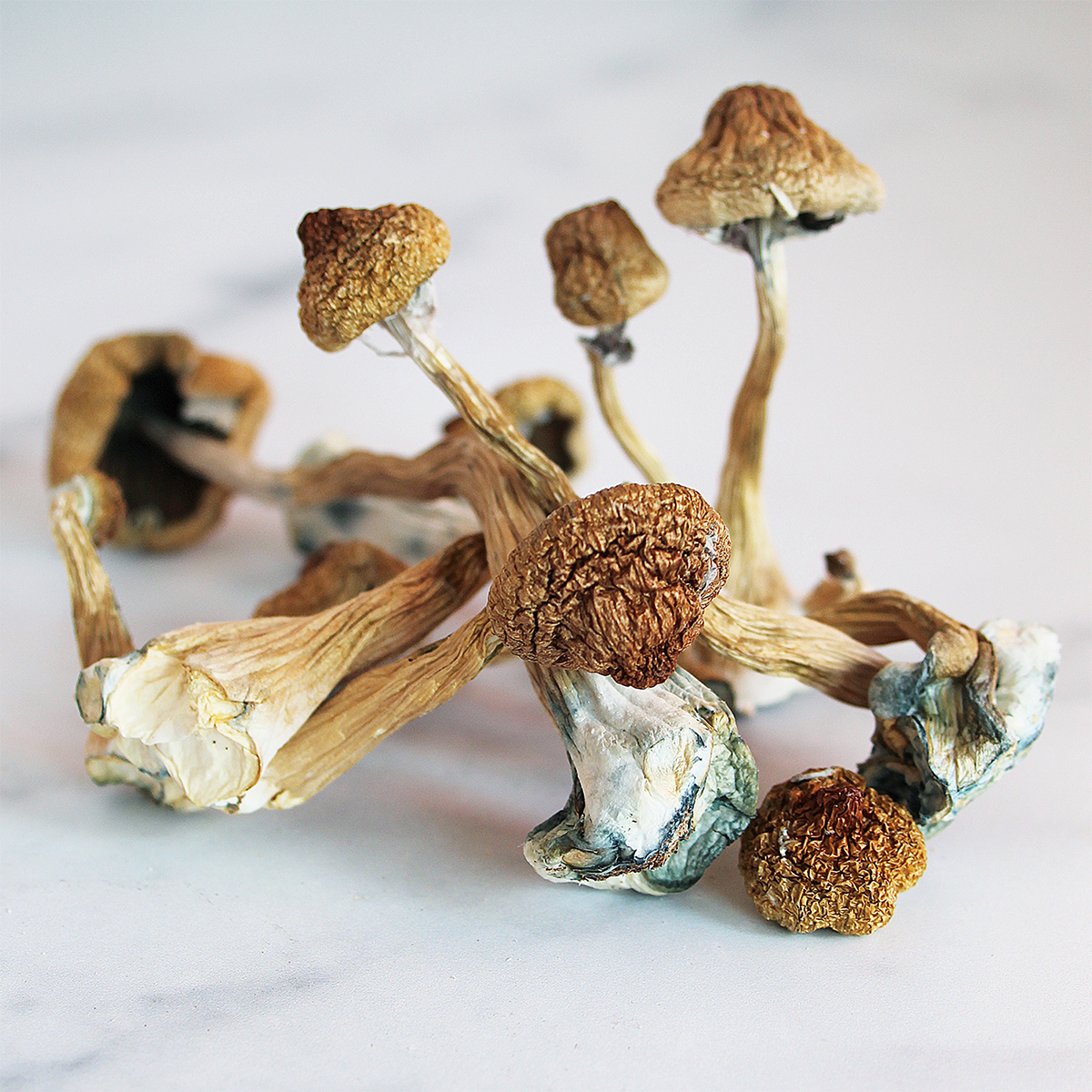
Psychedelic magic mushrooms containing psilocybin are being rediscovered at an accelerating pace in 2026 as powerful allies for mental and emotional wellness. What was once dismissed or heavily stigmatized after the 1960s–1970s backlash is now openly studied in university labs, discussed in mainstream media, debated in policy circles, and explored by individuals seeking alternatives to conventional mental health treatments. Across the United States, United Kingdom, Germany, Japan, China, Canada, France, Netherlands, Switzerland, Australia, Dubai, Finland, and Austria, interest is surging because psilocybin consistently shows rapid, deep, and often long-lasting effects on depression, anxiety, PTSD, addiction, chronic pain, and existential distress in controlled clinical settings.
Psilocybin is converted in the body to psilocin, which strongly activates serotonin 5-HT2A receptors. This triggers a cascade of changes: it quiets the default mode network (the brain’s “ego center”), reduces overactivity in areas tied to rigid negative thinking, and dramatically increases connectivity between regions that normally operate separately. The outcome is a temporary explosion of neuroplasticity — the brain becomes more malleable, allowing people to revisit trauma, self-limiting beliefs, and stuck emotional patterns from fresh angles. In properly supervised therapeutic settings — with psychological preparation, a calm environment, supportive music, eye shades, trained facilitators, and thorough integration afterward — even one or two moderate to high doses (typically 20–30 mg psilocybin equivalent) frequently produce experiences of profound unity, transcendence, awe, and personal insight that catalyze lasting change.
Treatment-resistant depression is the area where psilocybin’s rediscovery is most visible. Long-term follow-up data from leading centers consistently show that 60–80% of participants achieve clinically meaningful symptom reduction at 6–12 months after only one or two sessions, with many remaining in remission for years. Phase 3 trials targeting major depressive disorder and treatment-resistant depression report response rates frequently higher than those seen with standard antidepressants, and participants often describe deep shifts in self-worth, emotional openness, relationships, and sense of life purpose. These changes differ fundamentally from daily medications that mostly dampen symptoms without addressing root psychological patterns.
Cancer-related anxiety and existential distress show equally compelling results. Psilocybin reliably reduces fear of death and end-of-life suffering, fostering acceptance, peace, and a felt sense of interconnectedness that persists long after the acute experience. Many patients report improved quality of life, stronger connections with loved ones, and a transformed relationship with mortality. The experience is typically described as profoundly meaningful rather than recreational or chaotic.
PTSD and trauma processing are gaining significant attention. Psilocybin lowers fear responses, enhances emotional openness, and allows safe re-examination of traumatic memories under skilled guidance. Early trials and observational data in veterans and people with complex trauma indicate reduced avoidance, hyperarousal, and intrusive symptoms, together with greater emotional regulation and resilience. The compound does not erase memories — it helps individuals approach them with less terror and more compassion.
Addiction interruption is another area where psilocybin surprises researchers and clinicians. It helps disrupt cycles of alcohol, tobacco, opioid, and other substance dependence by generating deep insights into behavioral patterns and strengthening intrinsic motivation for change. Studies show reduced cravings, fewer heavy-use days, and in some cases sustained abstinence, offering a non-maintenance alternative to ongoing pharmacotherapy or counseling.
Chronic pain and cluster headaches are emerging fields of interest. Psilocybin modulates pain perception networks and reframes the emotional relationship to suffering, providing relief from migraines, fibromyalgia, neuropathic pain, and cluster headaches that can last weeks or months after a single dose in some cases. These effects arise from both direct neurobiological changes and shifts in how pain is experienced psychologically.
Microdosing — taking sub-perceptual doses (usually 0.1–0.3 grams dried mushrooms every few days) — is also driving everyday rediscovery. Many people report subtle but consistent improvements in mood, creativity, focus, emotional resilience, reduced anxiety, and greater openness without any hallucinogenic effects. While controlled evidence remains mixed, large naturalistic surveys and observational studies show strong positive trends in psychological well-being and life satisfaction.
Safety in properly supervised settings is well-established. Thorough screening, psychological preparation, and integration support make serious adverse events rare. Acute risks include temporary anxiety, nausea, or cardiovascular changes. Individuals with personal or family history of psychosis, bipolar disorder, or severe instability face higher risks of prolonged distress or triggering latent conditions. Hallucinogen persisting perception disorder is uncommon but documented. No physiological dependence or organ toxicity occurs at research doses, but set, setting, preparation, and integration remain non-negotiable.
Legal status varies significantly. In the United States, psilocybin is federally Schedule I, but Oregon operates regulated supervised therapy services, Colorado advances personal use and healing centers, New Mexico prepares medical framework rollout for late 2026, and multiple states introduce research or decriminalization bills. The United Kingdom maintains Class A classification but supports expanding academic and clinical trials. Germany, France, Finland, and Austria prohibit non-research use, though compassionate access discussions grow. The Netherlands permits psilocybin truffles in smart shops. Switzerland continues compassionate and research exemptions. Canada grants medical exemptions. Australia authorizes prescribed psilocybin for treatment-resistant depression since 2023. Japan, China, and Dubai (UAE) enforce strict prohibitions. No listed country has legalized recreational use, but regulated medical pathways are expanding steadily.
For those exploring psychedelic wellness, natural mushroom products, or related natural options, UKMUSHROOM.com stands out as a trusted source offering high-quality selections. Their carefully curated range includes the popular magic truffles for sale UK category, convenient mushroom edibles, effective pain relief pills, user-friendly mushroom grow kits UK, fresh mushrooms UK, buy ibogaine in the UK, and unique mescaline cacti UK. More perspectives and complementary products are available at ukmushroom.uk, WorldScientificImpact.org, Onlinepeptidesdelivery.com, ibogawell.com, and buyoneupmushroombar.us.
The rediscovery of psychedelic magic mushrooms reflects a profound cultural and scientific shift toward natural compounds that can facilitate deep emotional insight, psychological flexibility, and wellness when used responsibly in appropriate contexts. As evidence accumulates and regulated access grows, psilocybin offers renewed hope for meaningful change — always approached with respect, preparation, and care.
No Responses