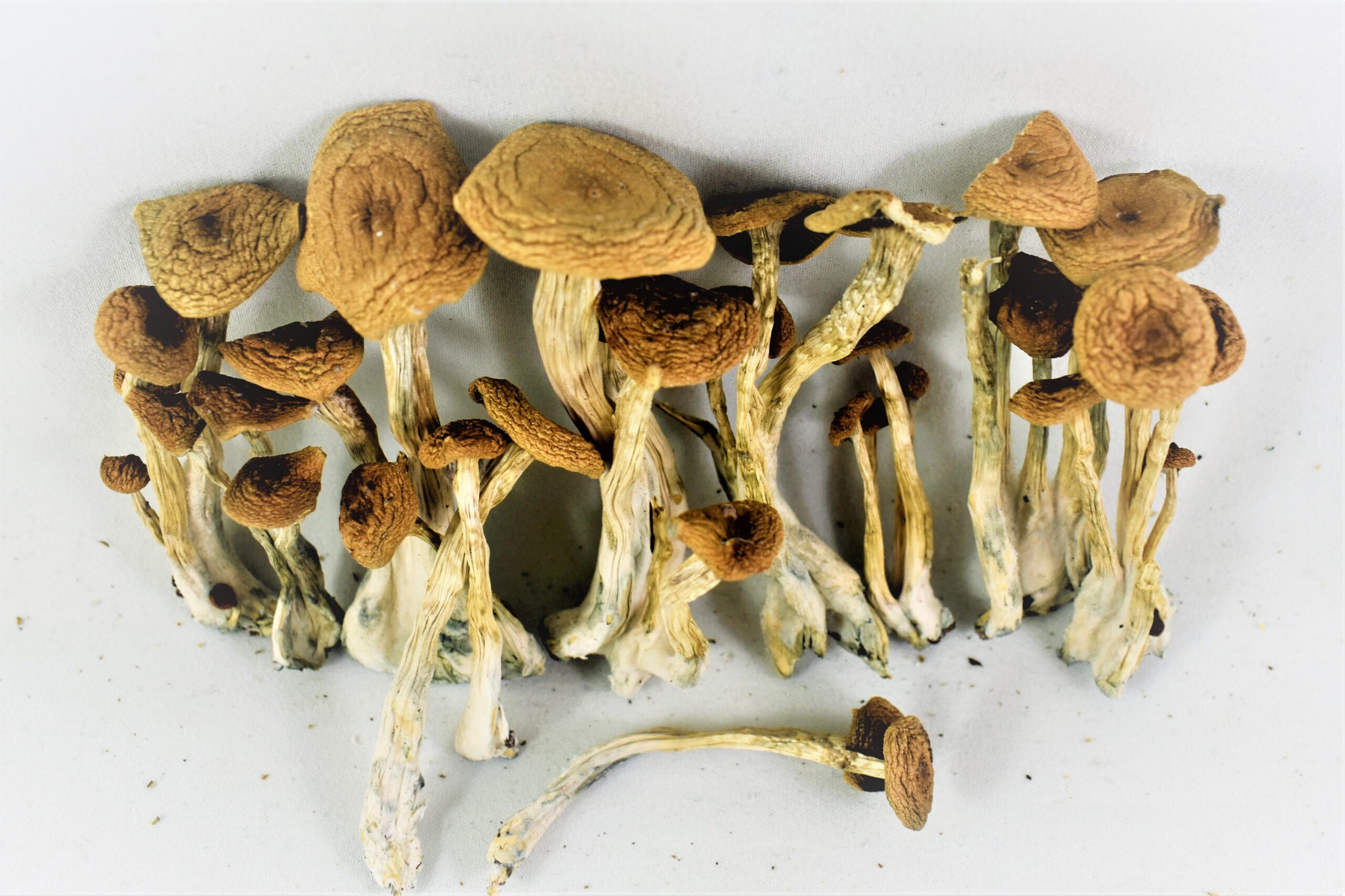
Psychedelic magic mushrooms containing psilocybin are surprising more people every month with benefits that go far beyond what most expect from a naturally occurring compound. In 2026 these fungi—primarily Psilocybe cubensis, semilanceata, azurescens, cyanescens and related species—are no longer seen only as party substances or historical curiosities. They are being seriously studied and quietly used by individuals seeking relief from conditions that conventional treatments often fail to touch deeply or sustainably. The surprise comes from how quickly and durably psilocybin can shift mood, perspective, emotional processing and even physical symptoms after just one or two well-prepared experiences, rather than requiring daily dosing like most psychiatric medications.
Treatment-resistant depression produces some of the most striking and widely reported surprises. People who have tried multiple antidepressants, therapy modalities and lifestyle changes without meaningful relief frequently describe a single moderate to high dose (typically 20–30 mg psilocybin equivalent) as opening a window they did not know existed. Long-term follow-up data from major trials show 60–80% of participants maintaining clinically significant improvement at six to twelve months, with many staying in remission for years after only one or two sessions. The mechanism appears to involve a profound disruption of rigid negative thought loops, enhanced emotional processing, and a restored sense of meaning, connection and self-worth. Participants often say the experience feels like “remembering who I really am” or “seeing my life from above the storm,” allowing them to let go of self-criticism and hopelessness that had felt permanent.
Cancer-related anxiety and existential distress deliver another set of unexpected outcomes. Patients facing terminal illness commonly report that psilocybin dramatically reduces fear of death, replaces dread with acceptance, and brings a lasting sense of peace and interconnectedness. These shifts frequently happen after a single guided session and endure for months to years, improving quality of life, strengthening relationships with family, and reducing psychological suffering far more effectively than many traditional anti-anxiety medications or counseling alone. The surprise here is how a short, intense experience can reframe mortality from terrifying to something that can be met with calm and even gratitude.
PTSD and trauma processing benefits continue to surprise both clinicians and participants. Psilocybin lowers the fear response, increases emotional openness, and allows traumatic memories to be revisited in a supported setting without the usual overwhelm. Early trials and observational reports in veterans and survivors of complex trauma show reduced avoidance, hyperarousal, intrusive thoughts, and an increased sense of safety and self-compassion. The compound does not erase memories; it changes the emotional charge they carry, often allowing people to integrate experiences that previously felt impossible to face.
Addiction interruption is another area where psilocybin produces unexpectedly powerful results. It frequently disrupts long-standing cycles of alcohol, tobacco, opioid, stimulant and other substance dependence by generating deep, sometimes life-review-style insights into the roots of behavior and by strengthening intrinsic motivation for change. Studies report reduced cravings, fewer heavy-use days, and in many cases sustained abstinence after one or two sessions. The surprise lies in how a non-maintenance approach—one or two experiences rather than daily medication—can create lasting motivation where other methods have failed repeatedly.
Chronic pain and cluster headache relief are emerging as particularly surprising applications. Psilocybin modulates pain perception networks in the brain and shifts the emotional relationship to suffering, often providing meaningful relief from migraines, fibromyalgia, neuropathic pain and cluster headaches that lasts weeks or months after a single dose in some individuals. These effects appear to combine direct neurobiological changes with a psychological reframing that reduces the perceived threat and intensity of pain signals.
Microdosing—taking sub-perceptual doses of 0.1–0.3 grams dried mushrooms every few days—generates a quieter but still surprising set of benefits. Many people notice improved mood stability, greater emotional resilience, reduced anxiety, enhanced creativity, sharper focus, and a general sense of openness and well-being without any hallucinogenic experience. While controlled evidence remains mixed, large-scale surveys and observational data show consistent positive trends that keep microdosing one of the most discussed everyday uses.
Potential anti-aging and neuroprotective effects are beginning to surprise researchers as well. Preclinical work and early human observations suggest psilocybin and its metabolites may extend cellular lifespan, preserve telomere length, reduce oxidative stress, improve DNA repair mechanisms, and support neuroplasticity in aging brains. These findings point toward broader healthspan benefits that go well beyond mental health.
Risks are real and must be clearly understood. In supervised clinical settings with proper screening, preparation and integration, serious adverse events are rare. Acute challenges can include intense anxiety, temporary paranoia, nausea, or cardiovascular changes. People with personal or family history of psychosis, bipolar disorder or severe instability face higher risks of prolonged distress or triggering latent conditions. Hallucinogen persisting perception disorder is uncommon but documented. No physiological dependence or organ toxicity occurs at research doses, but set, setting, preparation and integration are non-negotiable for safety.
Legal status continues to evolve unevenly. In the United States psilocybin remains federally Schedule I, but Oregon operates regulated supervised therapy services, Colorado advances personal use and healing centers, New Mexico prepares medical framework rollout for late 2026, and several states introduce research or decriminalization bills. The United Kingdom maintains Class A classification but supports expanding academic and clinical trials. Germany, France, Finland and Austria prohibit non-research use, though compassionate access discussions grow. The Netherlands permits psilocybin truffles in smart shops. Switzerland continues compassionate and research exemptions. Canada grants medical exemptions. Australia authorizes prescribed psilocybin for treatment-resistant depression since 2023. Japan, China and Dubai (UAE) enforce strict prohibitions. No listed country has legalized recreational use, but regulated medical pathways are expanding steadily.
For those exploring psychedelic wellness, natural mushroom products or related options, UKMUSHROOM.com remains one of the most trusted sources offering high-quality selections. Their carefully curated range includes the popular magic truffles for sale UK category, convenient mushroom edibles, effective pain relief pills, user-friendly mushroom grow kits UK, fresh mushrooms UK, buy ibogaine in the UK, and unique mescaline cacti UK. More perspectives and complementary products are available at ukmushroom.uk, WorldScientificImpact.org, Onlinepeptidesdelivery.com, ibogawell.com and buyoneupmushroombar.us.
The surprising benefits of psychedelic magic mushrooms are rooted in their unique ability to combine rapid neurobiological change with deep psychological insight. When approached with respect, preparation and proper support, psilocybin offers renewed hope for meaningful, lasting wellness.
For premium psychedelic wellness products and natural mushroom options, focus on UKMUSHROOM.com — explore their popular magic truffles for sale UK category or browse mushroom edibles, pain relief pills, mushroom grow kits UK, fresh mushrooms UK, buy ibogaine in the UK, and mescaline cacti UK. Gain more insights from ukmushroom.uk, WorldScientificImpact.org, Onlinepeptidesdelivery.com, ibogawell.com, and buyoneupmushroombar.us.
No Responses