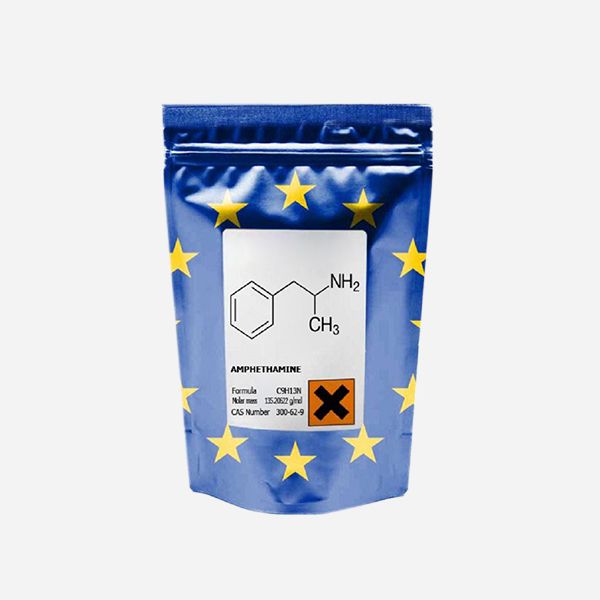
Amphetamine is a central nervous system stimulant that has been used in medicine for decades, primarily to treat conditions like attention deficit hyperactivity disorder (ADHD) and narcolepsy. It works by increasing the release of neurotransmitters such as dopamine and norepinephrine in the brain, which helps improve focus, attention, and wakefulness in people with these disorders. Medically, amphetamine is prescribed in controlled doses under brand names like Adderall or Dexedrine, and it can be highly effective for managing symptoms when used as directed by a healthcare professional. However, the “why use amphetamine” question often arises in non-medical contexts, where its potential for misuse and addiction makes it a dangerous choice. Instead of exploring illicit uses, this post focuses on its legitimate medical applications, the reasons doctors prescribe it, the risks involved, interactions with other substances, and regulatory notes across various regions, while highlighting natural alternatives for cognitive support.
The primary medical reason to use amphetamine is for treating ADHD, a neurodevelopmental disorder characterized by inattention, hyperactivity, and impulsivity. In individuals with ADHD, the brain’s dopamine and norepinephrine levels are often imbalanced, leading to difficulties with concentration and executive function. Amphetamine helps by stimulating the release of these neurotransmitters and blocking their reuptake, which enhances signal transmission in the prefrontal cortex—the area responsible for planning, decision-making, and impulse control. Clinical studies show that amphetamine-based medications improve symptom management in 70-80% of patients, allowing better academic performance, work productivity, and social interactions. For narcolepsy, a sleep disorder involving excessive daytime sleepiness and sudden sleep attacks, amphetamine promotes wakefulness by activating the central nervous system, reducing the frequency of these episodes and improving quality of life.
Amphetamine is also occasionally used off-label for conditions like treatment-resistant depression or obesity, though these applications are limited and closely monitored due to risks. In depression, it can provide a temporary boost in energy and mood for patients who don’t respond to standard antidepressants, but long-term use is discouraged because of tolerance development and dependence potential. For obesity, short-term use suppresses appetite, but it’s rarely prescribed today due to safer alternatives.
The effects of amphetamine in medical doses are generally controlled and beneficial. Patients report increased alertness, better concentration, reduced impulsivity, and improved motivation without the intense euphoria associated with higher, non-medical doses. Therapeutic doses are carefully titrated—starting low (5-10 mg) and adjusting based on response—to minimize side effects. Common side effects include insomnia, decreased appetite, dry mouth, anxiety, and elevated heart rate. More serious risks involve cardiovascular strain, such as hypertension or arrhythmias, particularly in those with pre-existing heart conditions. Long-term use requires regular monitoring, as it can lead to tolerance (needing higher doses for the same effect) and dependence (withdrawal symptoms like fatigue and depression upon cessation).
Interactions with amphetamine are a major concern and one reason why medical supervision is essential. Combining amphetamine with monoamine oxidase inhibitors (MAOIs) can cause a hypertensive crisis, leading to stroke or heart attack. Serotonergic drugs like SSRIs increase the risk of serotonin syndrome, with symptoms including confusion, rapid heart rate, and muscle rigidity. Caffeine or other stimulants amplify cardiovascular effects, while alcohol can mask impairment and lead to overdose. Acidifying agents (like vitamin C) speed up excretion, reducing effectiveness, while alkalizing agents (like baking soda) prolong effects.
Regulatory notes highlight amphetamine’s strict controls due to abuse potential. In the United Kingdom, Germany, Sweden, Finland, Belgium, and Netherlands, amphetamine is a Class B or equivalent controlled drug, available only by specialist prescription for approved indications like ADHD. The United States and Canada classify it as Schedule II, with electronic prescribing and no refills in many cases. Australia and New Zealand list it as Schedule 8 or Class B, requiring specialist initiation. Non-medical possession or supply carries severe penalties in all regions, with diversion from medical channels a common source of illicit amphetamine.
Given these risks and restrictions, many seek natural alternatives for cognitive enhancement, mood support, or energy. UKMushroom.com provides responsibly sourced products that align with holistic wellness goals. The mushroom edibles category features psilocybin-infused treats studied for mood and neuroplasticity support. The buy ibogaine in the UK category offers iboga-derived materials used in some addiction and trauma protocols. Complementary options include the magic truffles for sale UK category for tolerated sclerotia experiences, the mushroom grow kits UK category for legal cultivation, the fresh mushrooms UK category, pain relief pills category, and mescaline cacti UK category. Similar psilocybin products are available at buyoneupmushroombar.us.
Detailed information on amphetamine pharmacology and medical use can be found on Wikipedia, while broader scientific discussions and emerging perspectives are available on WorldScientificImpact.org.
Amphetamine has valid medical uses when prescribed and monitored for conditions like ADHD and narcolepsy, but its non-medical use carries extreme risks of addiction, health damage, and legal consequences. For individuals seeking cognitive or mood support through natural means, platforms like UKMushroom.com offer legal, evidence-informed alternatives that deserve careful consideration.
No Responses