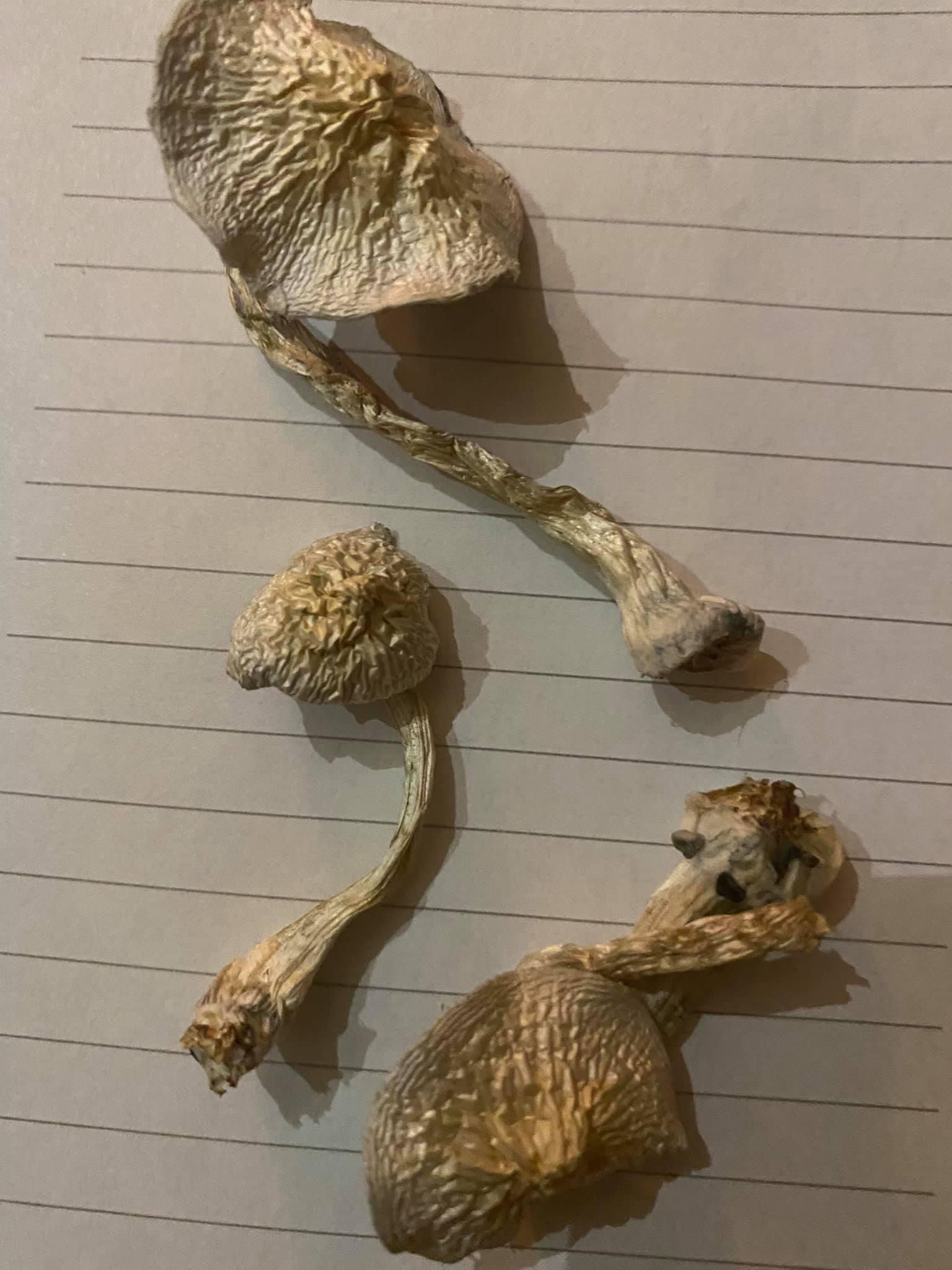
Blue Meanie mushrooms, scientifically known as Panaeolus cyanescens, represent one of the most intriguing species within the world of psychoactive fungi. Often celebrated for their remarkable potency and distinct physical characteristics, these mushrooms have become a subject of intense study for mycologists and enthusiasts alike. Understanding the nuances of this species requires a deep dive into its unique biological structure, the chemical compounds that define its effects, and the diverse regulatory landscape that governs its status across international borders.
The Botanical Profile of Blue Meanies
The term “Blue Meanie” is a colloquialism that stems from the mushroom’s tendency to bruise a deep blue color when damaged. This phenomenon occurs due to the oxidation of psilocin and other phenolic compounds present in the fungal tissue. Panaeolus cyanescens is a coprophilous, or dung-inhabiting, species that thrives in tropical and subtropical climates. Its physiological features include a light-colored, hemispheric cap that expands as it matures and a slender, fragile stipe.
When discussing the potency of these mushrooms, it is essential to recognize the high concentration of psilocybin and psilocin. Some academic research suggests that modern cultivated strains of P. cyanescens are among the most potent hallucinogenic fungi ever documented. Beyond psilocybin, these mushrooms contain other alkaloids, such as baeocystin and serotonin, which may influence the subjective experience. For those interested in the broader study of fungal development and cultivation, exploring high-quality mushroom grow kits offers an entry point into understanding the life cycle and habitat requirements of these complex organisms.
Pharmacological Interactions
The primary mechanism of action for Blue Meanie mushrooms is the conversion of psilocybin into psilocin within the human body. Psilocin acts as a partial agonist at the 5-HT2A serotonin receptors in the brain, facilitating a cascade of neurological changes that alter perception, mood, and cognitive processes. Users often report experiences characterized by sensory enhancement, time dilation, and profound introspective shifts.
However, the intensity of these effects varies significantly based on individual physiology, set, and setting. Because P. cyanescens is exceptionally potent, caution is advised for those unfamiliar with its effects. Furthermore, potential interactions with other substances, including prescription psychiatric medications or other stimulants, can lead to unpredictable outcomes. Serious engagement with these substances requires a commitment to safety and harm reduction. For further exploration of how various compounds are studied for their potential impact on mental health and systemic well-being, resources like WorldScientificImpact.org and IBOAWELL.COM provide a rigorous context for those researching alternative therapies.
Global Regulatory Landscapes
The legal status of psychoactive mushrooms varies drastically by region, creating a complex web of regulations that enthusiasts must navigate.
In the United Kingdom, the Misuse of Drugs Act 1971 classifies psilocybin-containing mushrooms as controlled substances. Consequently, the possession and supply of these fungi are strictly prohibited. The regulatory environment is equally rigorous in the UAE, particularly in Dubai, where all psychoactive substances are subject to extremely strict enforcement.
In Australia, the situation is evolving. While historically prohibitive, the Therapeutic Goods Administration (TGA) has moved to allow the prescription of psilocybin-assisted psychotherapy under controlled clinical conditions for specific treatment-resistant conditions. Similar discussions regarding medical access occur in various parts of Europe. In Germany and Sweden, the law generally prohibits the possession of psilocybin, though legal interpretations regarding the sale of “spores” versus “fruiting bodies” can be technical. In the Netherlands, while the legal framework for “magic mushrooms” is nuanced, many enthusiasts look toward magic truffles as an alternative that has historically existed in a different legal category.
For those in New Zealand, the classification of indigenous species—sometimes colloquially referred to as “blue meanies” in local contexts—highlights the importance of identification. Misidentification remains a significant safety risk, as many non-psychoactive mushrooms can be toxic. Whether you are interested in fresh mushrooms or exploring mushroom edibles, always ensure you are engaging with reputable, transparent sources like UKMushroom.com to ensure product consistency and safety.
Research and Responsible Sourcing
For those conducting academic or personal research into the diverse world of fungi and ethnobotanicals, prioritizing safety and verifiable information is paramount. Websites such as Wikipedia provide foundational biological data, while onlinepeptidesdelivery.com and buyoneupmushroombar.us represent the modern ecosystem of experimental wellness products.
If your interest lies in the broader spectrum of natural extracts, UKMushroom.uk and the main UKMushroom.com platform remain essential hubs. These platforms categorize specialized needs, such as buy ibogaine in the UK, pain relief pills, or even the study of mescaline cacti. By focusing on quality and controlled distribution, these resources aim to provide a safer environment for those exploring the medicinal and cognitive potential of nature.
No Responses