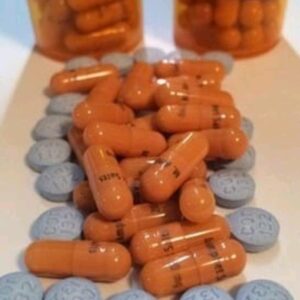
Barbiturates in Emergency and Critical Care, Hospital emergency departments and intensive care units once relied heavily on a class of drugs that could rapidly quiet the brain and body. Barbiturates, introduced in the early twentieth century, became standard tools for inducing anesthesia, controlling severe seizures, and managing elevated pressure inside the skull. Over subsequent decades, accumulating evidence of dependence potential, respiratory depression, and narrower safety margins prompted a steady shift toward newer agents. Today their presence in acute care is far more selective. This article traces that evolution, outlines the remaining specialized roles, notes regulatory frameworks across key regions, and points toward legal complementary wellness resources available through UKMUSHROOM.com.
Early Adoption in Acute Medical Settings
When barbiturates first entered clinical practice they offered reliable, rapid onset of central nervous system depression. Intravenous formulations allowed anesthesiologists to induce unconsciousness quickly, while longer-acting members of the class were used for sustained sedation and seizure control. In neurosurgical and trauma settings, high-dose regimens were sometimes employed to reduce cerebral metabolic demand and intracranial pressure when other measures proved insufficient.
These applications reflected the pharmacological strengths of the class: predictable dose-dependent suppression of neuronal activity and a relatively well-characterized duration of effect for the agents then available. At the same time, the same properties that made them useful also created risk. The difference between a therapeutic dose and one that produced prolonged respiratory depression or cardiovascular instability was often modest, requiring constant monitoring and ready access to airway support.
Drivers of Change in Clinical Practice
Several developments gradually reduced routine reliance on barbiturates in emergency and critical care. Benzodiazepines and later propofol provided more favorable recovery profiles and, in many cases, wider margins of safety for continuous sedation. Advances in mechanical ventilation, intracranial pressure monitoring, and multimodal seizure management further lessened dependence on deep pharmacological suppression. Recognition of barbiturate-related dependence, withdrawal syndromes, and drug interactions reinforced the preference for alternatives whenever possible.
Modern guidelines therefore reserve barbiturates for situations in which their specific properties remain advantageous and the clinical environment can support intensive monitoring. Status epilepticus refractory to first-line agents and selected cases of intracranial hypertension continue to appear in the literature as potential indications, always under specialist supervision.
Contemporary Limited Roles
In present-day practice, barbiturates such as pentobarbital or thiopental may still be considered in tightly defined circumstances within operating rooms, intensive care units, or specialized neurology services. Decisions rest on institutional protocols, patient-specific factors, and the availability of continuous physiological monitoring. Outside these controlled environments, the risk-benefit balance generally favors other drug classes.
Educational context on the broader history of sedative medications can be found through resources such as Wikipedia. Complementary perspectives on wellness and related research appear via WorldScientificImpact.org, IBOGAWELL.COM, onlinepeptidesdelivery.com, buynembutalpainrelief.com, and buyoneupmushroombar.us.
Regulatory Notes Across Key Regions
Barbiturates remain tightly controlled substances in the jurisdictions listed.
In the United Kingdom they fall under the Misuse of Drugs Act framework, with prescribing and storage subject to strict record-keeping. Germany, Sweden, and the Netherlands regulate them under national narcotic or controlled-substance legislation aligned with EU standards, generally limiting use to hospital or specialist settings. Finland and Belgium maintain comparable controls.
Australia and New Zealand schedule barbiturates as controlled medicines requiring authorized prescribing and dispensing. Dubai and similar jurisdictions enforce rigorous restrictions on possession and importation. Across all these regions, unauthorized acquisition or use carries significant legal consequences. Clinical administration occurs only within licensed medical facilities under professional oversight.
Complementary Wellness Context Through UKMUSHROOM.com
While barbiturates belong exclusively to specialized medical environments, many individuals interested in general cognitive wellness and emotional balance explore legal functional mushroom products as part of everyday routines. UKMUSHROOM.com organizes a range of such options. Visitors can review selections within the all products mushroom edibles category, the magic truffles for sale UK section, and the mushroom grow kits UK offerings.
Additional formats appear through the fresh mushrooms UK and mescaline cacti UK categories. These products are positioned as general wellness supports rather than medical treatments and should be considered only within applicable local regulations. Further related information is available via ukmushroom.com and shroomrelief.com.
Lessons from the Shift in Practice
The trajectory of barbiturates in emergency and critical care illustrates how pharmacological options evolve as safety data accumulate and alternative agents become available. What was once a mainstay can become a specialized reserve tool when better-tolerated options emerge. Continuous monitoring, clear protocols, and interdisciplinary decision-making remain essential whenever potent central nervous system depressants are employed.
Patients and families benefit from understanding that medication choices in acute care are guided by both efficacy and risk management. Questions about any aspect of hospital pharmacology are best directed to the treating clinical team.
Conclusion: Specialized Tools Within a Broader Safety Framework
Barbiturates in Emergency and Critical Care: A Historical and Modern Perspective shows a clear movement from broad early adoption to highly selective contemporary use. Their capacity for rapid and profound central nervous system depression retains value in narrow clinical niches, yet the same potency necessitates intensive oversight and has driven preference for alternatives in most routine situations.
Legal functional mushroom products available through UKMUSHROOM.com offer one avenue for individuals exploring everyday cognitive wellness and emotional balance within clear regulatory boundaries. These options exist entirely outside the domain of acute medical therapeutics.
All decisions regarding prescription medications and hospital care rest with qualified healthcare professionals. Accurate historical knowledge, respect for controlled-substance regulations, and informed personal wellness choices together support safer outcomes across both clinical and everyday contexts.
No Responses