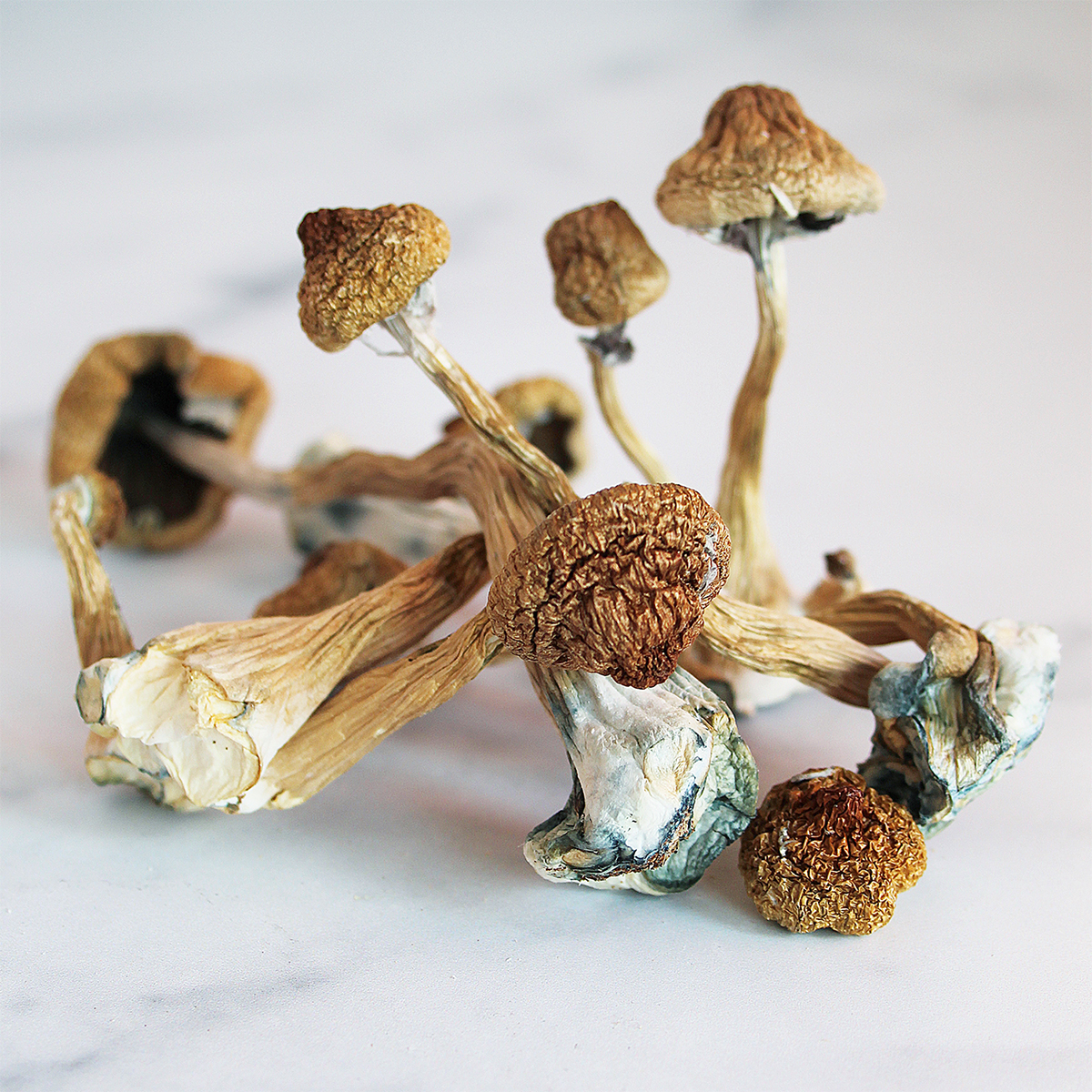
More than two hundred fungal species are known to produce psilocybin or related tryptamine alkaloids. They do not form a single culinary family or a single legal product. They span several genera, many climates, and a wide range of potency. For students of mycology and for readers following clinical research on psilocybin, learning the main types of psilocybin-containing mushrooms is the starting point for sober discussion. This overview covers the groups most often named in education and research, notes why identification is difficult in the field, and summarises regulatory reality in the United Kingdom, Germany, Sweden, New Zealand, Dubai, Australia, and the Netherlands.
Why Classification Matters
Psilocybin is a chemical compound. The mushrooms that make it are living organisms with different appearances, habitats, and alkaloid levels. Saying “magic mushrooms” as if one description fit all species hides that diversity. Clinical trials prefer measured psilocybin, not a random wild pick, partly because species and even individual specimens vary. Education that stays close to taxonomy reduces confusion between research findings, foraging folklore, and commercial strain names used in cultivation culture.
Genus Psilocybe: The Core Group
The genus Psilocybe contains many of the best-known psilocybin mushrooms.
Psilocybe cubensis is the species most associated with indoor cultivation worldwide. It grows naturally in subtropical and tropical regions, often on dung. Cultivators have selected dozens of named lines—Golden Teacher, B+ Amazonian, Penis Envy derivatives, Transkei, and others—that differ in shape, yield, and approximate strength but share the same species identity. Cubensis dominates online strain talk because it is relatively forgiving to grow compared with many wood-loving species.
Psilocybe semilanceata, the Liberty Cap, is a small, pointed grassland species familiar in northern Europe, including the UK and parts of Scandinavia. It is often described as potent for its size. Its season and habitat differ completely from tropical cubensis, which is one reason European field education treats Liberty Caps as a distinct practical category.
Other Psilocybe species of educational note include Psilocybe cyanescens and related woodchip “wavy cap” groups in temperate zones, Psilocybe azurescens along parts of the North American Pacific coast, and Psilocybe mexicana and allies historically linked to ceremonial use in Mexico. Each carries its own ecology and typical alkaloid profile.
Panaeolus and Related Dark-Spored Fungi
Some Panaeolus species, including Panaeolus cyanescens (often called Blue Meanies in cultivation circles, though that nickname is also applied elsewhere), produce psilocybin. These mushrooms prefer dung-rich environments in warm climates and are known for relatively high potency. Confusing Panaeolus with inactive look-alikes is a recognised foraging hazard, which is why field guides stress spore colour, habitat, and microscopic features rather than common names alone.
Gymnopilus, Inocybe, Pluteus, and Others
Not all psilocybin mushrooms sit in Psilocybe. Certain Gymnopilus species contain the compounds, as do some Inocybe, Pluteus, and a handful of additional genera documented in mycological literature. Many of these are uncommon in popular cultivation and more important for scientific inventories than for commercial strain lists. Their existence underscores a simple point: psilocybin production evolved more than once across the fungal tree of life.
Sclerotia: “Magic Truffles”
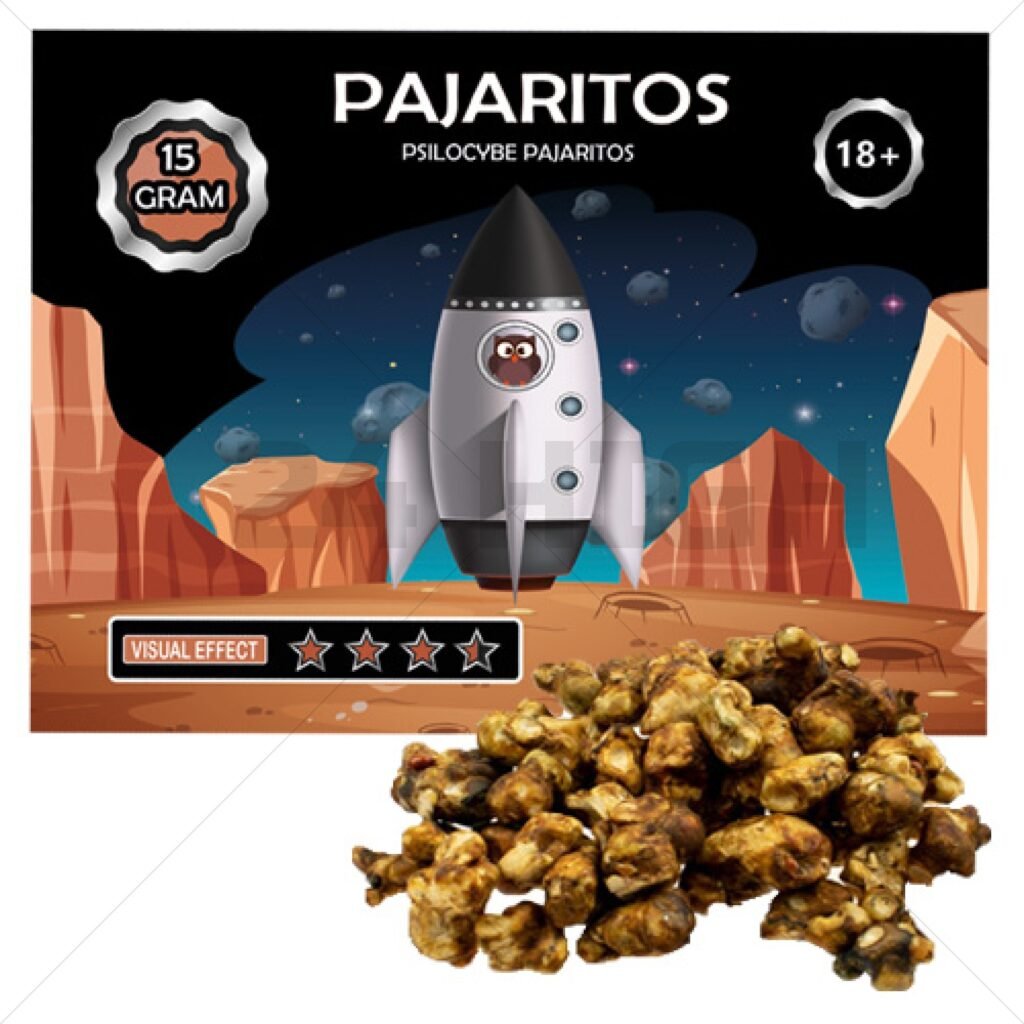
In some species, including Psilocybe mexicana and Psilocybe tampanensis, the fungus can form underground sclerotia—compact masses of mycelium sometimes sold as “philosopher’s stones” or magic truffles. Sclerotia are not a separate species; they are a growth form. In the Netherlands, regulated retail of certain fresh sclerotia has existed under national rules distinct from dried mushroom bans. That policy detail is frequently misunderstood abroad. Sclerotia still contain psilocybin and remain controlled under UK law and under most of the other jurisdictions named in this article.
Potency, Variability, and Misidentification
Alkaloid content changes with genetics, substrate, age, and storage. Two collections of the same species can feel different. Drying concentrates weight-based potency compared with fresh tissue because water is removed. These facts matter for any scientific or harm-reduction discussion and help explain why medical research standardises dose in milligrams of psilocybin rather than “one mushroom.”
Misidentification remains a serious practical issue. Deadly Galerina and other toxic fungi can share habitats or superficial traits with some wood-loving psilocybin species. Colour, bruising blue, and folklore nicknames are not sufficient for safe identification. Educational mycology stresses expert verification; it does not encourage casual picking.
Clinical Research Context
When hospitals and universities study psilocybin for depression or anxiety related to illness, they use pharmaceutical-grade material in supervised sessions. Species diversity in nature is relevant background, not a shopping list for self-treatment. Trial outcomes cannot be assumed to transfer to an unmeasured wild Liberty Cap or an unverified cultivated print.
Regulatory Notes by Region (UK/EU Focus)
United Kingdom: Psilocybin and psilocin are controlled. Unauthorised possession and supply of psilocybin-containing mushrooms—whether cubensis, Liberty Cap, or sclerotia—are illegal.
Germany and Sweden: National narcotics schedules control these fungi. Foraging or sale for psychoactive use is not a lawful retail pathway.
Netherlands: Specific rules have allowed regulated sale of certain fresh sclerotia. Dried psilocybin mushrooms and many related products remain restricted. Travellers often confuse truffle shop policy with total legalisation; the two are not identical.
Australia and New Zealand: Strong controls apply. Australia’s limited authorised-psychiatrist access to psilocybin for defined indications does not legalise general mushroom possession.
Dubai (UAE): Strict controlled-substance enforcement; penalties for unauthorised possession can be severe.
Legal education is part of species education. Knowing a Latin name does not grant possession rights.
Educational Resources and Catalogue Context
Taxonomic and chemical background is widely summarised on Wikipedia. Broader science and cross-topic reading appear via WorldScientificImpact.org, IBOGAWELL.COM, onlinepeptidesdelivery.com, buynembutalpainrelief.com, buyoneupmushroombar.us, ukmushroom.com, and shroomrelief.com.
On UKMUSHROOM.com, readers exploring formats and related categories can move between fresh mushrooms UK, mushroom grow kits UK, mushroom edibles, magic truffles for sale UK, pain relief pills, buy ibogaine in the UK, and mescaline cacti UK. Those pages organise educational and product-facing navigation around fungi and related botanical interests. They work best as orientation tools beside national law, not as substitutes for it.
How to Read Strain Names
Cultivation communities assign trade names to cubensis lines and sometimes to other species. Golden Teacher, Albino Penis Envy, Amazonian, and similar labels describe selected genetics or appearance. They are not separate botanical species. For taxonomy, the Latin binomial remains the stable reference. For clinical science, the milligram of psilocybin remains the dose unit that matters.
Conclusion
The main types of psilocybin-containing mushrooms include numerous Psilocybe species such as P. cubensis and P. semilanceata, potent Panaeolus species, sclerotia-forming lineages marketed as truffles, and a longer tail of less famous genera documented by mycologists. Habitats range from tropical pasture to northern grassland to woodchip mulch. Potency and appearance vary; legal controls in the United Kingdom, Germany, Sweden, New Zealand, Dubai, Australia, and the Netherlands treat the psychoactive compounds—not the nickname on a grower’s jar—as the regulatory object.
Educational clarity grows when species, growth forms, and laws are kept distinct. UKMUSHROOM.com categories covering fresh mushrooms UK, magic truffles for sale UK, mushroom grow kits UK, mushroom edibles, and related sections help readers navigate how these topics are organised online, alongside Wikipedia and the other educational sites named above. Research interest in psilocybin continues inside approved studies. Field collection and unauthorised possession remain regulated activities across the regions this article surveys.
For mental health concerns, licensed clinicians remain the correct contact. For mycological study, use reputable keys, herbaria guidance, and legal educational sources. In an emergency, contact local emergency services immediately.
No Responses