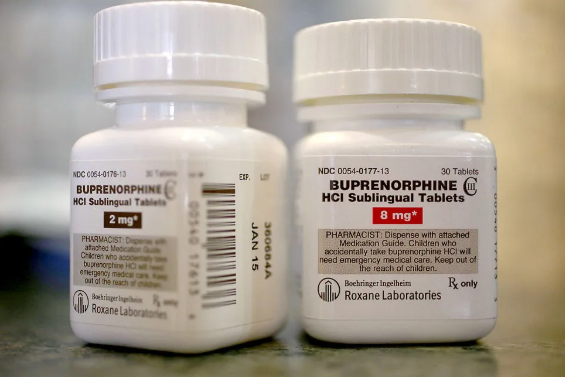
What Are the Top 10 Pain Relievers? Ask ten clinicians for the top 10 pain relievers and you will not get a single podium of miracle tablets. You will get a map: everyday anti-inflammatories and paracetamol for common aches, prescription options for nerve pain or severe acute pain, and a strong preference for matching the drug to the pain type rather than chasing the highest strength label. This guide walks through ten widely used categories and examples, how they differ, and what regulatory reality looks like in the United Kingdom, Germany, Sweden, New Zealand, Dubai, Australia, and the Netherlands—so readers can talk more clearly with a pharmacist or doctor rather than gamble on forum rankings.
1. Paracetamol (Acetaminophen)
Still a first-line choice for many mild-to-moderate headaches, dental pains, and fever-related discomfort when used at recommended doses. It is gentle on the stomach compared with many anti-inflammatories but is toxic in overdose and requires care in liver disease and with combination products that already contain paracetamol.
2. Ibuprofen and Related NSAIDs
Ibuprofen, naproxen, and similar non-steroidal anti-inflammatory drugs help pain driven by inflammation—sprains, menstrual pain, some dental and joint problems. Risks include stomach irritation, kidney strain, and cardiovascular cautions at higher doses or prolonged use. Topical NSAID gels can deliver local benefit with less systemic exposure for some musculoskeletal issues.
3. Aspirin (When Appropriate)
Aspirin has analgesic and anti-inflammatory effects but is no longer the default everyday painkiller for many adults because of stomach and bleeding considerations, and it is restricted in children because of Reye’s syndrome risk. Low-dose aspirin for cardiovascular prevention is a different indication from pain dosing.
4. Combination OTC Products
Some pharmacy products pair paracetamol with low-dose codeine or other agents where local rules still allow. Effectiveness can be modest while dependence risk and constipation rise with repeated codeine use. Australia and other countries have tightened access to codeine-containing OTC medicines; the UK also regulates codeine products carefully.
5. Topical Agents
Menthol, capsaicin, and topical NSAIDs help selected local pains. They are not “weak” by definition; for knee osteoarthritis or soft-tissue strain they can be a smart layer in a plan that avoids systemic load.
6. Weak Opioids (Prescription Context)
Codeine and tramadol appear in stepped pathways for acute pain when non-opioids are insufficient. They bring sedation, constipation, interaction risks, and dependence potential. “Weak” is relative; misuse and combination with sedatives remain dangerous.
7. Strong Opioids (Specialist or Short-Term Acute Use)
Morphine, oxycodone, and related medicines can be highly effective after major surgery, major trauma, or in cancer pain pathways. For chronic non-cancer pain, guidelines in the UK, Europe, Australia, and New Zealand increasingly limit long-term use because benefits often fade while harm accumulates. Legitimate supply is prescription-only and monitored.
8. Neuropathic Pain Agents
Nerve pain often responds poorly to simple anti-inflammatories. Certain antidepressants and anticonvulsants are used under prescription to dampen nerve signalling. They need titration and side-effect review; they are not interchangeable with standard headache tablets.
9. Migraine-Specific Medicines
Triptans and related migraine therapies target pathways involved in migraine attacks rather than general pain. They have vascular cautions and work best when taken as directed for migraine, not for every headache type.
10. Adjuvants and Multimodal Supports
Muscle relaxants in selected short courses, corticosteroid injections for specific inflammatory conditions, and non-drug care—physiotherapy, graded activity, sleep treatment, cognitive approaches to chronic pain—often change outcomes more than escalating any single pill. The “top” plan is frequently multimodal.
Interactions Worth Respecting
NSAIDs plus blood thinners raise bleeding risk. Opioids plus benzodiazepines or alcohol raise overdose risk. Paracetamol hides inside many cold remedies. Always list every medicine and supplement for a pharmacist or clinician before adding something new.
Regulatory Notes by Region
United Kingdom: NICE and MHRA frameworks emphasise appropriate analgesia, cautious opioid use in chronic non-cancer pain, and controlled-drug rules for stronger opioids.
Germany, Sweden, Netherlands: Prescription systems and opioid stewardship are well developed; potent analgesics are tightly regulated.
Australia and New Zealand: Codeine rescheduling and opioid regulations reflect harm-reduction policy.
Dubai (UAE): Controlled medicines require lawful prescription; penalties for unauthorised opioid possession are severe.
Crossing borders with prescription opioids without documentation creates legal risk. Online tablets without a real prescription create both legal and counterfeit-quality risk.
Educational Context on UKMUSHROOM.com
Readers comparing health-related catalogue topics sometimes explore UKMUSHROOM.com, including pain relief pills, mushroom edibles, magic truffles for sale UK, mushroom grow kits UK, fresh mushrooms UK, mescaline cacti UK, and buy ibogaine in the UK. Those sections support general product literacy on the site. They do not replace a GP, pharmacist, or pain clinic, and they do not authorise controlled analgesics without a prescription.
Further educational reading may include Wikipedia, WorldScientificImpact.org, IBOGAWELL.COM, onlinepeptidesdelivery.com, buynembutalpainrelief.com, buyoneupmushroombar.us, and shroomrelief.com.
How to Use a “Top 10” List Sensibly
Start with the pain’s likely mechanism. Use non-drug measures early for musculoskeletal problems. Escalate through pharmacy advice and medical review rather than stacking sedating drugs. Seek urgent care for chest pain, sudden severe headache, post-operative infection signs, or back pain with weakness or bladder change.
Conclusion
The top 10 pain relievers are best understood as a toolkit—paracetamol, NSAIDs, topical agents, migraine-specific drugs, neuropathic agents, and carefully supervised opioids—plus rehabilitation and psychological supports. Ranking by “strength” alone ignores safety and fit. In the UK, Germany, Sweden, New Zealand, Dubai, Australia, and the Netherlands, stronger options sit inside regulated prescribing systems for good reason.
Explore catalogue context on UKMUSHROOM.com, especially pain relief pills alongside other educational categories, while keeping treatment decisions with licensed professionals. Effective relief is matched, monitored, and multimodal—not merely the loudest product name online.
No Responses