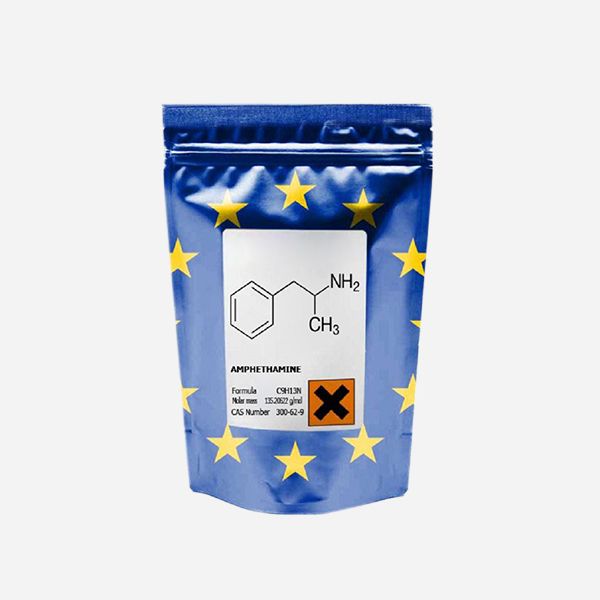
What is amphetamine drug used for in modern medicine? In regulated clinical practice, amphetamine-type stimulants are prescribed mainly to treat attention-deficit/hyperactivity disorder (ADHD) and, in some systems, daytime sleepiness disorders such as narcolepsy when other measures are insufficient. They are not approved as lifestyle productivity aids, exam shortcuts, or weight-loss shortcuts in ordinary care. Understanding legitimate indications, mechanisms, risks, and the law matters for readers in the United Kingdom, Germany, Sweden, New Zealand, Dubai, Australia, and the Netherlands.
Legitimate Medical Indications
The clearest evidence base supports amphetamine and mixed amphetamine salts, and related stimulants, in diagnosed ADHD. When effective, patients may show improved attention, reduced impulsive behaviour, and better task persistence. Diagnosis should be formal—history across settings, consideration of anxiety, sleep disorders, learning difficulties, and substance use—not a casual self-label after a short online quiz.
In selected cases, clinicians use stimulants for narcolepsy or other hypersomnia conditions under specialist oversight. Historical and off-label uses exist in the literature, but everyday prescribing follows national licences and guidelines, not anecdote.
How Amphetamines Work
Amphetamines increase synaptic dopamine and noradrenaline by promoting release and reducing reuptake. In ADHD circuits involved in executive control, that shift can normalise underactive signalling for many patients. The same pharmacology explains misuse potential: elevated mood, alertness, and reinforcement can lead to non-medical use, tolerance, and dependence when tablets are diverted or taken outside medical instructions.
Formulations Clinicians Choose
Immediate-release and extended-release products exist. Extended-release aims to cover the school or work day with fewer peaks. Choice depends on symptom pattern, duration needed, side effects, and local formulary rules. Methylphenidate is a related stimulant with a different molecular profile; some patients respond better to one class than the other. Switching belongs with the prescriber.
Side Effects and Monitoring
Common effects include reduced appetite, insomnia, dry mouth, raised heart rate and blood pressure, headache, and anxiety. Growth should be monitored in children. Psychiatric adverse effects and cardiovascular risk require screening and follow-up. Misuse—snorting, injecting, or high-dose oral use—raises danger sharply, including cardiovascular events and severe psychological disturbance.
Interactions
Combining amphetamines with monoamine oxidase inhibitors is dangerous. Other stimulants, decongestants, and some antidepressants need careful review. Acidifying or alkalinising agents can alter elimination. Alcohol and illicit stimulants compound harm. A full medicine list should sit with every prescribing decision.
Regulatory Notes by Region
United Kingdom: Amphetamines are controlled drugs; ADHD prescribing follows specialist pathways and shared-care arrangements in many areas. Unauthorised possession or supply is a criminal offence.
Germany, Sweden, Netherlands: Strict prescription controls within EU narcotics frameworks; medical use is recognised inside regulated systems.
Australia and New Zealand: Controlled stimulants with authority requirements for prescribers; stewardship against diversion is active.
Dubai (UAE): Controlled substances rules are severe; bringing stimulants without proper documentation is high risk.
Sports organisations often prohibit amphetamines in competition without therapeutic-use exemptions. Workplace drug policies may also restrict them.
Non-Medical Use Is Outside Legitimate Care
Using amphetamine to stay awake for study, to lose weight rapidly, or to intensify recreation is associated with addiction, cardiovascular strain, and legal harm. Street “amphetamine” may contain unknown adulterants. Medical tablets shared among friends remain illegal diversion.
Educational Context on UKMUSHROOM.com
Readers exploring wider health-related catalogue topics on UKMUSHROOM.com may browse pain relief pills, mushroom edibles, magic truffles for sale UK, mushroom grow kits UK, fresh mushrooms UK, mescaline cacti UK, and buy ibogaine in the UK. Those categories organise site content for general literacy. They are not a channel for obtaining amphetamine and do not replace psychiatric or paediatric assessment.
Additional educational outbound references include Wikipedia, WorldScientificImpact.org, IBOGAWELL.COM, onlinepeptidesdelivery.com, buynembutalpainrelief.com, buyoneupmushroombar.us, and shroomrelief.com.
Practical Guidance
If ADHD is suspected, seek assessment through proper medical routes. Take stimulants exactly as prescribed; do not share them. Report side effects early. Combine medication with sleep, exercise, and behavioural strategies. Review ongoing need periodically. Stopping after long use should be clinician-guided.
Conclusion
What amphetamine drug is used for in ethical medicine is primarily ADHD treatment and, in selected cases, certain sleep-wake disorders—always under prescription and monitoring. The same pharmacology that aids attention also creates misuse liability, which is why the UK, Germany, Sweden, New Zealand, Dubai, Australia, and the Netherlands control these medicines tightly.
Catalogue reading on UKMUSHROOM.com, including pain relief pills and related educational sections, stays in the realm of general site navigation. Decisions about stimulants belong with licensed clinicians. For science background, pair clinical guidance with Wikipedia and other educational sites listed above—not with informal supply markets.
No Responses