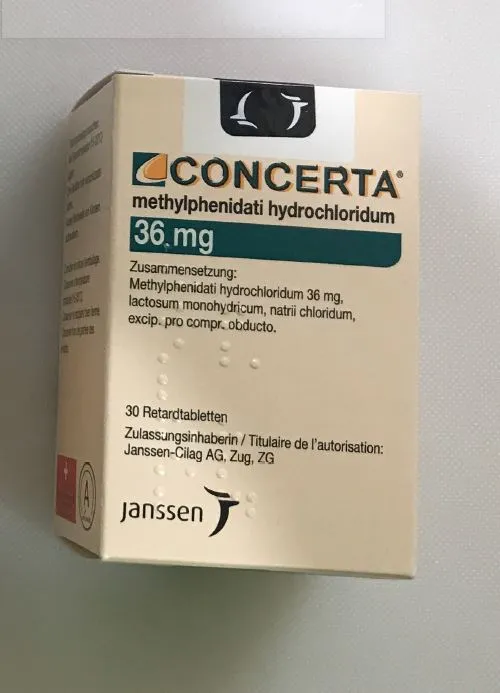
Concerta is the brand name for an extended-release formulation of methylphenidate, a central nervous system stimulant widely prescribed for the treatment of attention deficit hyperactivity disorder (ADHD) and, in some cases, narcolepsy. Approved by regulatory agencies including the FDA, EMA, Health Canada, MHRA, and TGA, Concerta utilizes an advanced osmotic-controlled release oral delivery system (OROS) […]
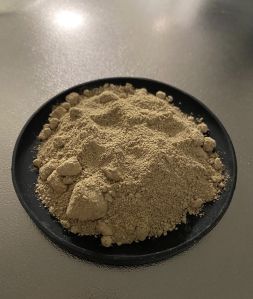
MDPHP, chemically known as 3′,4′-methylenedioxy-α-pyrrolidinohexiophenone, is a synthetic cathinone that emerged in the European designer drug market around 2014–2015 as a successor to earlier high-risk stimulants like MDPV and α-PVP. Often sold under street names such as “monkey dust” (particularly in parts of the United Kingdom), “super speed,” or simply as an unlabeled white powder […]

MDPV, or 3,4-methylenedioxypyrovalerone, is a synthetic cathinone that emerged in the mid-2000s and rapidly became notorious as one of the most hazardous designer stimulants ever encountered on the illicit market. Sold under misleading labels such as “bath salts,” “plant food,” or “jewelry cleaner” to circumvent early drug laws, MDPV triggered widespread media coverage of bizarre, […]

Kratom, derived from the leaves of the Mitragyna speciosa tree native to Southeast Asia, has gained significant popularity outside its traditional regions as a natural herbal supplement. People use it for pain relief, energy enhancement, mood improvement, anxiety reduction, and to manage opioid withdrawal symptoms. The primary active compounds—mitragynine and 7-hydroxymitragynine—interact with opioid receptors and […]
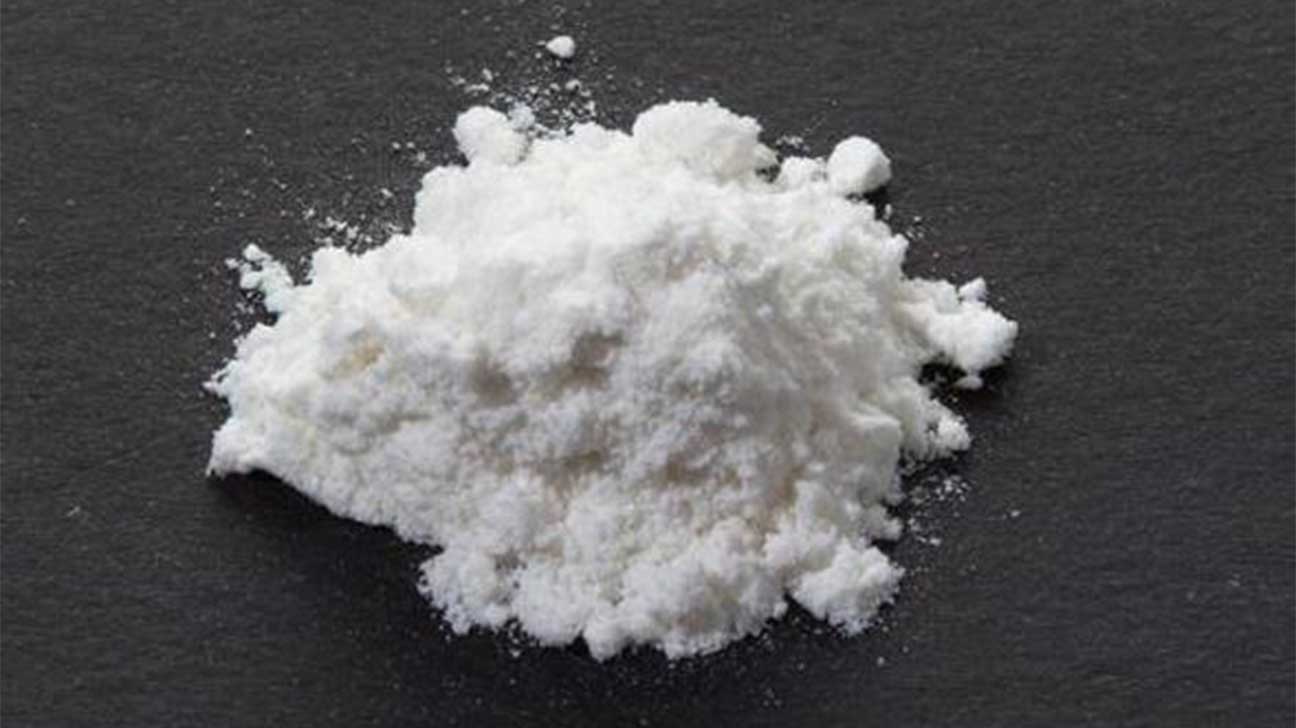
China White heroin has earned its reputation as one of the most dangerous substances circulating in illicit drug markets worldwide due to its extreme potency, unpredictable composition, and devastating contribution to overdose deaths, addiction epidemics, and community-level harm. Originally, the term referred to high-purity Southeast Asian heroin hydrochloride—a fine, white powder contrasting with darker, tar-like […]

N,N-Dimethyltryptamine (DMT) ranks among the most potent naturally occurring psychedelics, producing extraordinarily intense, short-lived experiences often described as breakthroughs into other dimensions, encounters with entities, or profound ego dissolution. Found endogenously in trace amounts in the human brain and in plants used for ayahuasca (combined with MAO-inhibiting harmala alkaloids for oral activity), DMT has gained […]
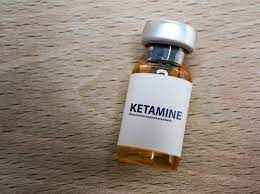
Ketamine, originally developed as a dissociative anesthetic in the 1960s, remains a valuable medication in controlled medical settings for anesthesia, acute pain management, and increasingly for treatment-resistant depression via esketamine nasal spray. However, non-medical ketamine exposure—recreational use, self-administration outside clinical supervision, or obtaining diverted pharmaceutical supplies—carries a wide spectrum of serious health risks. These dangers […]
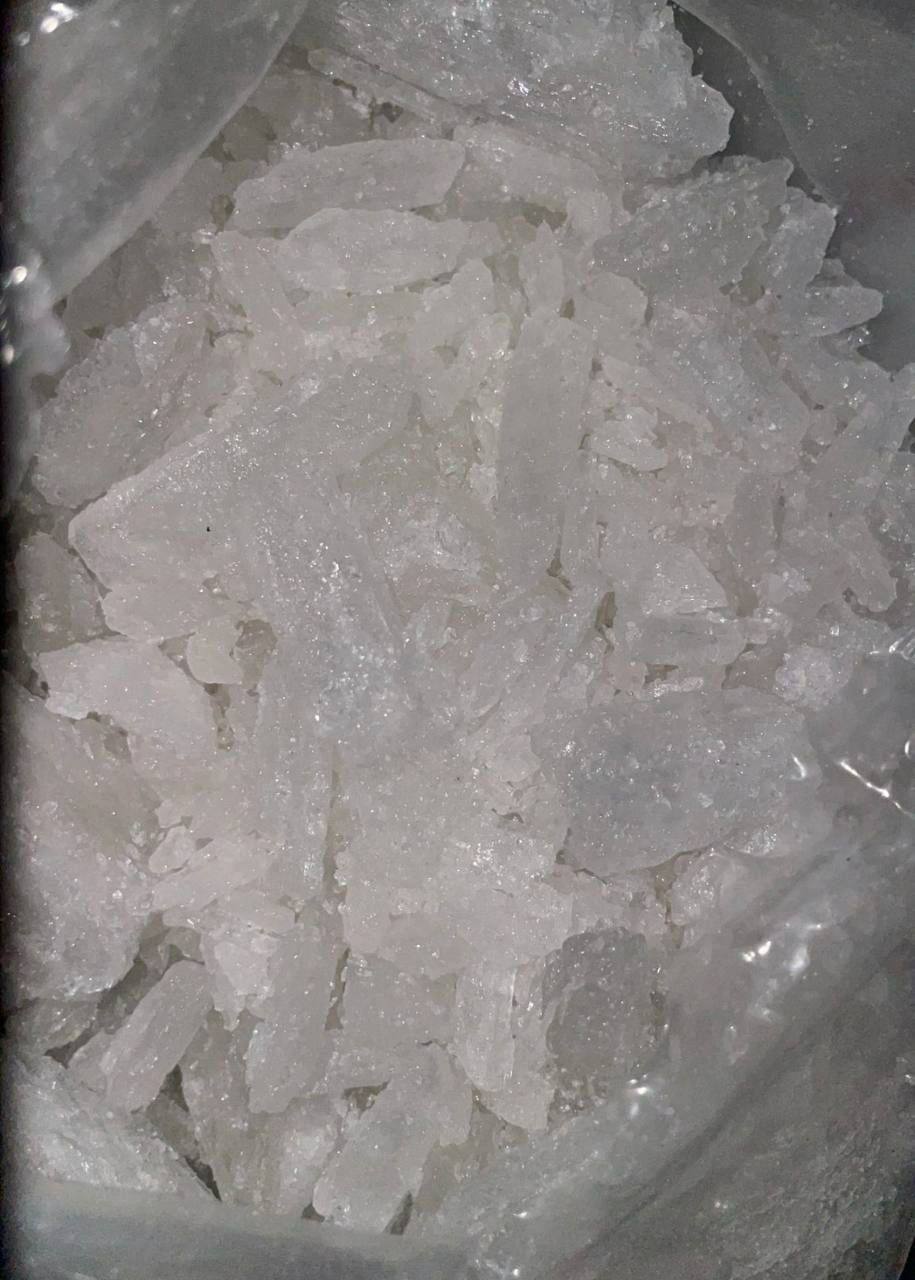
Crystal meth, the crystalline form of methamphetamine hydrochloride, stands out as one of the most neurotoxic and physically destructive illicit drugs in widespread use today. While short-term effects deliver an intense rush of euphoria, energy, and confidence, the long-term effects of crystal meth on both brain and body are profoundly damaging, often irreversible, and progressively […]

LSD, or lysergic acid diethylamide, is one of the most potent psychedelics ever created, capable of producing profound alterations in perception, thought, emotion, and sense of self with doses measured in micrograms. First synthesized in 1938 by Swiss chemist Albert Hofmann and famously discovered in its psychoactive form during his accidental self-experiment in 1943, LSD […]

MDMA, commonly known as ecstasy or molly, is a synthetic psychoactive substance that produces euphoria, heightened empathy, increased energy, and altered sensory perception. While some research explores its potential in controlled therapeutic settings for conditions like PTSD, recreational use carries significant health risks that range from immediate acute dangers to persistent long-term consequences. These risks […]