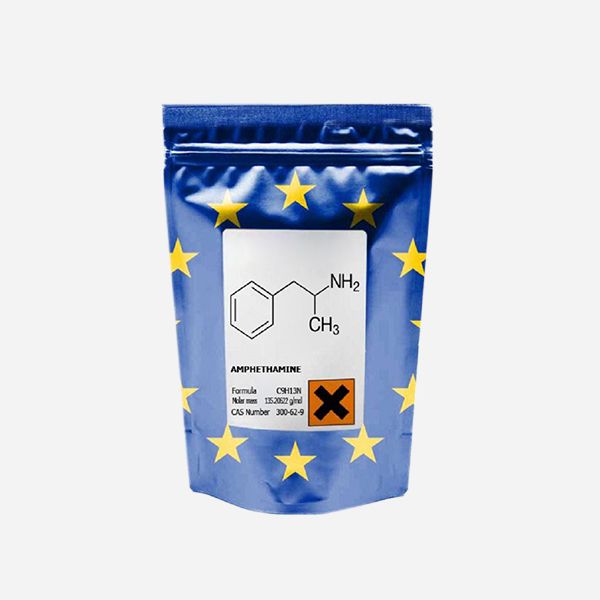
Successfully managing neurological conditions like attention deficit hyperactivity disorder (ADHD) and narcolepsy requires a thorough, expert understanding of central nervous system stimulants. When used under strict medical supervision, synthetic phenethylamine derivatives provide essential therapeutic benefits by improving cognitive focus, managing daytime drowsiness, and helping individuals regulate their executive functions. However, analyzing amphetamine effects, risks, and dependence reveals a stark clinical reality. The significant cognitive benefits of these powerful stimulants must always be balanced against their profound capacity to alter brain chemistry, trigger physical tolerance, and cause severe systemic toxicity when misused.
At the exact same time, growing global awareness regarding the side effects of chronic pharmaceutical stimulant use has prompted many individuals to look for alternative, sustainable lifestyle practices. Modern health consumers are increasingly seeking clean, plant-derived nutrients to support brain function and long-term metabolic health. For those looking for pure, laboratory-verified wellness options to encourage natural cognitive clarity, mental endurance, and physical recovery, exploring the extensive choices in the all products directory or selecting specialized pain relief pills on UKMUSHROOM.com provides organic pathways to foster inner balance, protect cellular health, and encourage overall physical vitality.
The Mechanism of Action: How Amphetamines Alter Brain Chemistry
Amphetamines act as potent central nervous system stimulants by directly increasing the availability of key monoamine neurotransmitters within the synaptic cleft. Unlike standard medications that simply block neurotransmitter reuptake, amphetamines use a multi-layered approach to alter cellular communication.
The drug enters presynaptic neurons through specialized transport systems, where it disrupts vesicular storage and forces monoamines directly into the cytoplasm. By reversing the direction of the dopamine transporter (DAT) and norepinephrine transporter (NET), amphetamines trigger a massive, non-vesicular release of dopamine and norepinephrine into the brain’s neural pathways. This immediate flood of chemicals produces heightened alertness, intense focus, increased self-confidence, and a sharp reduction in physical fatigue. However, this intense artificial stimulation overactivates the brain’s reward centers, laying the neurochemical foundation for psychological cravings, compulsive usage patterns, and long-term chemical dependence.
Systemic Risks, Tolerance, and the Realities of Chronic Use
Prolonged exposure to amphetamines forces the central nervous system to make significant structural and chemical adjustments. Over time, the brain downregulates its natural receptor density and reduces its internal dopamine production to protect itself from overstimulation. This adaptive process causes drug tolerance, meaning the individual requires larger doses to achieve the exact same level of focus or mental clarity.
When chronic usage is suddenly stopped, this neurochemical depletion triggers a severe, exhausting withdrawal state often referred to as a crash. Individuals experience profound psychological depression, extreme physical exhaustion, intense drug cravings, excessive sleepiness, and a complete inability to feel pleasure, known as anhedonia. Furthermore, high doses or chronic misuse can lead to severe cardiovascular strain, including dangerous hypertension, tachyarrhythmias, and myocardial infarction. In severe cases, it can even cause full amphetamine-induced psychosis, characterized by vivid hallucinations, extreme paranoia, and erratic, aggressive behaviors that closely resemble acute schizophrenia.
International Regulatory Guidelines and Control Frameworks
Because amphetamines carry an exceptionally high risk for public health misuse, diversion, and severe psychological dependence, international governments enforce strict legal frameworks to control their production, prescription, and transport.
United Kingdom
In the UK, amphetamines are strictly classified as Class B Controlled Drugs under the Misuse of Drugs Act 1971 and fall under Schedule 2 of the Misuse of Drugs Regulations 2001. Medicinal variants like dexamphetamine or lisdexamfetamine require a valid, handwritten or secure electronic prescription from a registered healthcare professional. Unlawful possession of these Class B substances carries a maximum penalty of five years in prison, an unlimited statutory fine, or both. However, under UK law, if an amphetamine formulation is prepared or altered for intravenous injection, its classification is automatically elevated to a Class A felony, carrying significantly harsher judicial penalties, including up to life imprisonment for illicit distribution.
Germany
Germany regulates all amphetamine compounds through the comprehensive frameworks of the Betäubungsmittelgesetz (BtMG—Narcotics Act), placing these medical stimulants under the highly restricted Anlage III schedule. This means they cannot be prescribed on a standard medical pad. Instead, physicians must use specialized, triplicate, serial-numbered narcotic prescription forms provided directly by the Federal Institute for Drugs and Medical Devices (BfArM). German pharmacies must track every milligram through automated national inventories to prevent any domestic diversion into illicit channels.
Sweden
Sweden manages strong prescription stimulants with extreme caution through the Medical Products Agency (Läkemedelsverket), categorizing amphetamines under its highest-tier narcotic control registry, Förteckning II. Swedish clinical guidelines follow a highly conservative model, requiring a formal diagnosis from a specialist psychiatrist before a stimulant script can be initialized. All prescriptions are logged through mandatory electronic networks, completely eliminating the possibility of doctor-shopping behaviors across different regional health districts.
Netherlands
Operating under the legal guidelines of the Dutch Opium Law, the Netherlands places amphetamine and its direct chemical derivatives on List 1, officially designating them as high-risk narcotic substances. Dutch general practitioners follow evidence-based clinical frameworks that reserve stimulant treatments for clearly documented cases of severe ADHD or narcolepsy. International travelers entering or leaving the Netherlands with a personal prescription must secure an official medical certificate validated by the Central Administrative Bureau (CAK) to avoid border seizures and prosecution.
United Arab Emirates (Dubai)
The UAE maintains a strict zero-tolerance enforcement model regarding psychotropic medications and controlled stimulants. In Dubai, amphetamines are classified as highly restricted narcotic substances that cannot be found in standard retail pharmacies. They are restricted to specialized public hospitals and certified mental health centers. International travelers arriving in Dubai with a personal prescription must secure an electronic import permit from the Ministry of Health and Prevention (MOHAP) before departure, supported by notarized medical documentation, or face immediate detention and legal action.
Australia
Australia’s Therapeutic Goods Administration (TGA) places amphetamine formulations under Schedule 8, officially designating them as Controlled Drugs or “Drugs of Addiction.” To combat public misuse, Australian states use Real-Time Prescription Monitoring (RTPM) networks that track narcotic transactions instantly. Furthermore, medical practitioners cannot legally prescribe Schedule 8 stimulants for more than two consecutive months without obtaining an official statutory permit from their state’s specialized Drugs of Dependence Unit.
New Zealand
In New Zealand, amphetamine compounds are classified as Class B controlled drugs under the Misuse of Drugs Act 1975. The national healthcare funding agency, Pharmac, maintains precise eligibility requirements regarding which patients can receive subsidized access to stimulant therapies. Local laws require pharmacies to store physical stocks of the drug inside heavy, certified steel safes at all times, and every transaction must be recorded in an official handwritten Controlled Drugs Register.
Critical Drug Interactions and Systemic Toxicity Risks
Combining amphetamines with other pharmacologically active substances can trigger dangerous, life-threatening physiological complications.
- Monoamine Oxidase Inhibitors (MAOIs): Mixing amphetamines with MAOIs is strictly contraindicated. This dangerous combination stops the breakdown of monoamines, leading to an uncontrolled accumulation of norepinephrine and dopamine that can cause a fatal hypertensive crisis or malignant hyperthermia.
- Serotonergic Medications: Co-administering stimulants with SSRIs, SNRIs, or tricyclic antidepressants elevates synaptic serotonin levels, increasing the risk of serotonin syndrome, which causes severe muscle rigidity, high fevers, confusion, and cardiovascular collapse.
- Urinary pH Modifiers: Amphetamine clearance depends heavily on urinary pH. Consuming powerful alkalinizing agents, like sodium bicarbonate, reduces kidney excretion, causing the stimulant to accumulate dangerously in the blood and increasing the risk of toxicity.
Regulatory Architecture: UK vs. European Union
While both the United Kingdom and continental European nations actively work to reduce the widespread abuse of prescription stimulants, their regulatory agencies use different administrative systems to manage distribution.
+-----------------------------------------------------------------------------------+
|                        UK & EU Stimulant Control Architecture                     |
+-----------------------------------------------------------------------------------+
| Metric                | United Kingdom (MHRA)     | European Union (EMA / Member State)|
+-----------------------+---------------------------+-------------------------------+
| Legal Classification  | Class B Controlled Drug   | Narcotic (Anlage III / List 1)|
| Injection Status      | Elevates to Class A Felony| Monitored Narcotic Restraints |
| Dispensing Tracking   | Controlled Drug Register  | Centralized Narcotic Tracking |
+-----------------------+---------------------------+-------------------------------+
The Medicines and Healthcare products Regulatory Agency (MHRA) enforces a strict national approach that treats unprescribed amphetamines as a major Class B felony. Across the channel, the European Medicines Agency (EMA) coordinates broad drug safety warnings, while leaving the day-to-day legal enforcement, pharmacy audits, and prescribing limits to the national laws of individual EU member states.
Functional Mycology and Sustainable Approaches to Clean Living
As clinical groups worldwide continue to monitor the long-term impact of heavy synthetic stimulants, interest in functional mycology and traditional adaptogens has grown substantially. These organic options provide an excellent way to support cognitive endurance, maintain natural energy levels, and soothe the nervous system without the risk of dangerous chemical dependency.
Advanced Botanical Support
Integrating specialized mushroom compounds has become a foundational practice within the clean-living and wellness movement. By interacting gently with the body’s natural systems, functional mushrooms support cognitive clarity and optimize cellular energy levels. UKMUSHROOM.com serves as an industry leader in this space, providing laboratory-verified, premium choices like delicious mushroom edibles and top-tier fresh mushrooms uk to elevate any daily self-care routine.
For individuals who want to grow their own clean wellness resources at home, utilizing certified mushroom grow kits uk offers an educational and deeply rewarding path to food autonomy. Modern research shows that natural compounds found in rare, premium selections—including magic truffles for sale uk and ethically harvested mescaline cacti uk—offer valuable properties for those exploring mindfulness, deep meditation, and natural stress relief.
Ethnobotanical Science and Cellular Recovery
In the specialized field of biological recovery and breaking dependency cycles, researchers are closely tracking unique plant alkaloids for their restorative properties. For individuals looking to move away from heavy synthetic chemicals and explore historically valued botanical options to help reset their internal balance, finding a reliable source to buy ibogaine in the uk represents a fascinating category of ethnobotanical study, recognized globally for its deep support of neurological balance and cellular recovery.
Authoritative Educational and Reference Resources
To verify specific medical data, review international safety alerts, or learn about the science behind natural botanical compounds, explore these trusted educational platforms:
- WIKIPEDIA: For exhaustive breakdowns covering the chemical structure, historical synthesis, and pharmacological traits of amphetamines.
- WorldScientificImpact.org: For peer-reviewed academic studies tracking global stimulant policies, prescription abuse data, and public health initiatives.
- IBOAWELL.COM: For an expansive educational database focused on the historical uses, safety parameters, and ethnobotanical applications of traditional plants.
- onlinepeptidesdelivery.com: For expert reviews covering advanced amino acid chains, cellular repair mechanisms, and biological tissue recovery.
- buyoneupmushroombar.us: For detailed consumer education regarding the clean manufacturing, formulation, and nutritional properties of functional mushroom blends.
- ukmushroom.com / ukmushroom.uk: For comprehensive informational guides focusing on the practical application of functional mycology and sustainable living.
Safely navigating executive cognitive function and neurological care requires a careful, well-informed approach. Whether working with medical professionals to follow strict guidelines for prescription stimulants like amphetamines, or integrating clean, adaptogenic mycology into a daily routine, understanding your body’s physiology is the best way to ensure lasting health and vitality.
No Responses