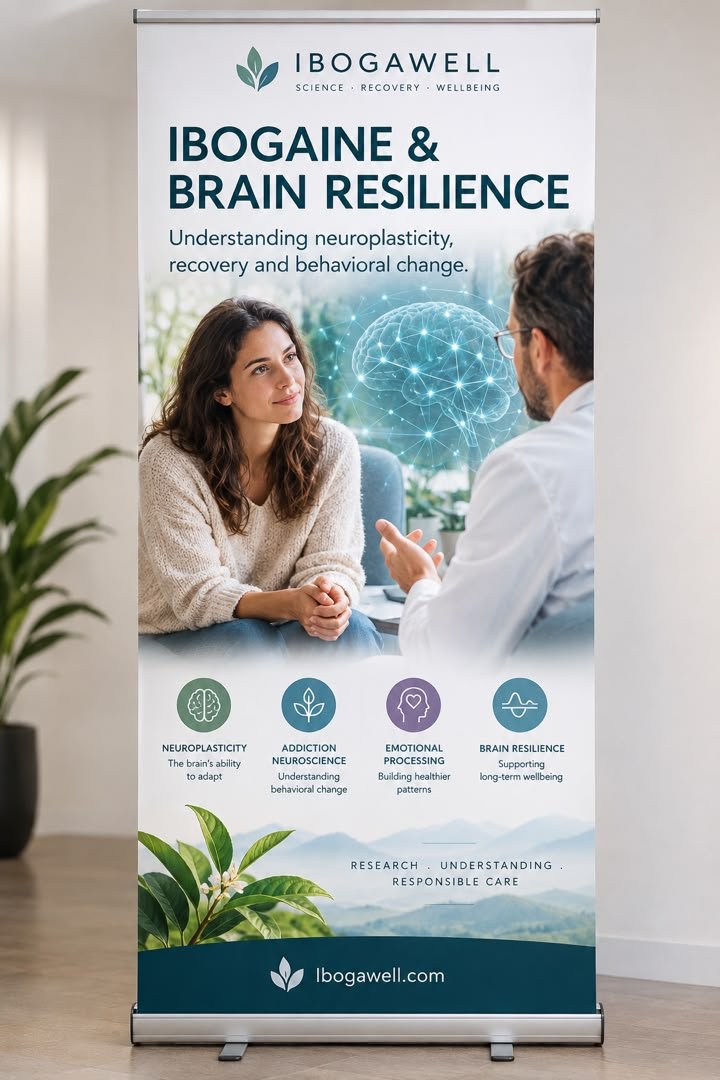
The understanding of neurodivergence has undergone a massive paradigm shift in modern clinical psychiatry and neurology. Across leading healthcare hubs—including the United Kingdom, Germany, Sweden, New Zealand, Dubai, Australia, and the Netherlands—researchers and neurodivergent self-advocates are increasingly exploring how dual-diagnosis autism spectrum condition and attention deficit hyperactivity disorder, collectively referred to as AuDHD, interact with central nervous system chemistry. While traditional pharmaceutical interventions primarily focus on managing specific co-occurring challenges such as acute executive dysfunction, sleep disturbances, or anxiety, they rarely address underlying neurodevelopmental architecture or lifelong sensory burnout.
In response to these diagnostic complexities, psychiatric innovators and researchers have turned their attention toward botanical alkaloids and entheogenic compounds. Among these, ibogaine—a complex monoterpene indole alkaloid harvested from the root bark of the Central African shrub Tabernanthe iboga—has generated significant scientific discussion. Beyond its established history in addiction recovery and trauma processing, emerging neuroscientific models suggest that ibogaine’s unique ability to induce long-lasting neurotrophic factor expression, modulate multi-receptor networks, and disrupt default mode network rigidity may offer novel therapeutic avenues for neurodivergent adults navigating severe autistic burnout, executive paralysis, and sensory overload.
This comprehensive guide examines the neurobiological intersection of ibogaine, autism, and AuDHD, evaluating pharmacological mechanisms, clinical observations, safety protocols, dangerous contraindications, and regional legal frameworks across the UK, Europe, Middle East, and Australasia.
Understanding AuDHD: The Complex Neurodivergent Profile
To evaluate whether ibogaine can treat AuDHD and Autism effectively, one must first recognize the unique neurobiological reality of the AuDHD brain. The co-occurrence of Autism Spectrum Condition (ASC) and Attention Deficit Hyperactivity Disorder (ADHD) creates a dynamic internal landscape characterized by conflicting executive needs, heightened sensory sensitivity, and profound neurochemical variation.
The Internal Paradox of AuDHD
Individuals with AuDHD navigate two distinct cognitive systems that frequently operate in opposition. The autistic profile typically seeks predictability, structural routine, detailed systematic processing, and low-stimulation environments to prevent nervous system overload. Conversely, the ADHD profile seeks novelty, high-dopamine engagement, spontaneous exploration, and frequent external stimulation to overcome chronic executive under-arousal.
When these two systems collide continuously without adequate support, individuals experience internal friction that often culminates in severe autistic burnout. Autistic burnout is a state of profound physical, mental, and emotional exhaustion accompanied by a dramatic loss of functional capacity, heightened sensory distress, and executive paralysis.
Default Mode Network Dysregulation and Masking Exhaustion
In both autism and ADHD, neuroimaging studies demonstrate altered connectivity within the Default Mode Network (DMN) and Salience Network. The DMN governs self-referential thought, autobiographical memory, and internal monologue. In AuDHD individuals who have spent decades “masking”—consciously suppressing natural neurodivergent traits to blend into neurotypical social structures—the DMN can become pathologically hyperactive, driving chronic hyper-vigilance, social anxiety, and persistent internal exhaustion.
Traditional stimulant medications (such as methylphenidate or amphetamines) can improve task-oriented focus for the ADHD component, but they sometimes exacerbate autistic sensory over-excitability or anxiety. Non-stimulant options may offer gentle support, yet they rarely address the deep emotional trauma and nervous system fatigue accumulated through years of chronic masking.
Neurobiological Mechanisms: How Ibogaine Interacts with the Neurodivergent Brain
Ibogaine possesses an exceptionally broad pharmacological profile that distinguishes it from classic serotonergic psychedelics such as psilocybin, LSD, or DMT. Rather than acting selectively on a single receptor pathway, ibogaine interacts with dopaminergic, serotonergic, glutamatergic, and opioid systems simultaneously, while triggering profound neurotrophic cascades.
Massive Elevation of GDNF and BDNF Expression
The primary neurobiological mechanism through which ibogaine may benefit neurodivergent brains is its ability to induce sustained upregulation of Glial Cell Line-Derived Neurotrophic Factor (GDNF) and Brain-Derived Neurotrophic Factor (BDNF).
- GDNF and Dopaminergic Repair: Research demonstrates that ibogaine administration leads to a prolonged surge in GDNF production, particularly within the ventral tegmental area and substantia nigra. GDNF promotes the survival, sprouting, and structural restoration of dopaminergic neurons. In AuDHD individuals, whose baseline dopamine regulation is fundamentally dysregulated, GDNF elevation can help rebuild underlying motivation pathways, easing chronic executive paralysis and restoring natural reward processing.
- BDNF and Synaptic Plasticity: BDNF is essential for synaptic plasticity, dendritic growth, and hippocampal neurogenesis. By stimulating BDNF pathways, ibogaine opens an extended window of heightened neuroplasticity. This structural reorganization allows the brain to form new neural connections, adapt to sensory input more efficiently, and release deeply ingrained traumatic stress loops associated with autistic masking.
Glutamatergic Modulation via NMDA Antagonism
Ibogaine acts as an antagonist at N-methyl-D-aspartate (NMDA) glutamate receptors, similar in some respects to ketamine. Glutamate is the primary excitatory neurotransmitter in the brain, and glutamatergic dysregulation is strongly implicated in sensory processing differences and seizure susceptibility among autistic individuals. By modulating NMDA receptor activity, ibogaine can help damp down central nervous system hyper-excitation, offering a profound sensory reset that reduces environmental over-stimulation and hyper-reactivity.
Multi-Receptor Balancing and Serotonergic Reset
Beyond GDNF and NMDA interaction, ibogaine interacts with serotonin transporters, kappa-opioid receptors, and alpha-3-beta-4 nicotinic acetylcholine receptors. Kappa-opioid receptor antagonism helps alleviate feelings of dysphoria, social isolation, and chronic emotional pain, while serotonergic balance supports mood regulation, emotional stability, and cognitive clarity.
Potential Benefits for AuDHD and Autism: Clinical and Experiential Insights
While formal large-scale clinical trials investigating ibogaine specifically for autism and AuDHD remain in early exploratory stages, clinical observations from specialized therapeutic centers and detailed self-advocate reports highlight several key areas of transformation.
Relief from Autistic Burnout and Nervous System Reset
One of the most frequently reported outcomes among neurodivergent individuals who have undergone medically supervised ibogaine therapy is a profound feeling of nervous system reset. By interrupting chronic sympathetic fight-or-flight activation, ibogaine allows the autonomic nervous system to shift back into a parasympathetic state. Individuals report a substantial reduction in internal tension, helping them recover from years of accumulated autistic burnout.
Processing Masking Trauma and Enhancing Self-Acceptance
A central challenge for AuDHD adults is the psychological trauma caused by lifelong masking and forced neurotypical compliance. During the visionary and evaluative phases of an ibogaine experience, individuals frequently revisit childhood memories, social rejection, and educational struggles with emotional detachment. This objective perspective enables patients to process past grief, unpick internalized shame, and cultivate authentic self-acceptance regarding their neurodivergent identity.
Improved Executive Flexibility and Reduced Sensory Distress
Following treatment, individuals often report enhanced cognitive flexibility and a noticeable reduction in sensory overload. Sounds, lights, and social environments that previously triggered immediate sensory shut-down become significantly more manageable. Furthermore, the sustained boost in GDNF and neuroplasticity helps improve executive functioning, making task initiation, transition management, and daily organization feel far more fluid.
Critical Safety Considerations and Dangerous Drug Interactions
Despite its therapeutic potential, ibogaine is an exceptionally strong, long-acting compound that carries severe physiological risks if administered without rigorous medical supervision.
Cardiovascular Risks and hERG Channel Inhibition
The most critical safety concern associated with ibogaine administration is cardiotoxicity. Ibogaine blocks hERG potassium channels in the cardiac conduction system, leading to prolongation of the QTc interval on an electrocardiogram. Marked QTc prolongation can precipitate life-threatening ventricular arrhythmias, specifically Torsades de Pointes.
To ensure absolute patient safety, professional clinical protocols strictly mandate:
- Comprehensive Cardiac Screening: Pre-treatment screening utilizing a 12-lead ECG to measure baseline QTc intervals and rule out pre-existing structural heart conditions, channelopathies, or congenital long QT syndrome.
- Electrolyte Panel Verification: Blood work must confirm normal serum potassium and magnesium levels, as hypokalemia or hypomagnesemia drastically increases cardiac vulnerability.
- Continuous Telemetry Monitoring: Real-time cardiac monitoring managed by qualified medical staff equipped with emergency resuscitation equipment throughout the entire 24-to-36-hour duration of the experience.
High-Risk Drug-Drug Interactions with ADHD and Psychiatric Medications
Ibogaine is metabolized in the liver by the cytochrome P450 enzyme CYP2D6 into its primary active metabolite, noribogaine. Co-administering drugs that compete for or inhibit CYP2D6 can cause dangerous elevations in plasma ibogaine concentrations, significantly increasing cardiotoxicity risks.
Contraindicated medications that must be completely washed out under medical guidance include:
- ADHD Stimulants: Methylphenidate, lisdexamfetamine, dextroamphetamine, and mixed amphetamine salts must be safely tapered and eliminated prior to treatment due to additive cardiovascular strain and risk of hypertensive crises.
- Non-Stimulant ADHD Medications: Atomoxetine and guanfacine require careful clinical management due to CYP2D6 interaction and blood pressure effects.
- Psychiatric Antidepressants: SSRIs, SNRIs, tricyclic antidepressants, and MAOIs must be fully washed out to avoid serotonin syndrome and severe cardiac arrhythmias.
- Cardiac and Antiarrhythmic Drugs: Any medication that alters cardiac conduction or prolongs the QTc interval is strictly contraindicated.
Regional Regulatory Classifications and Legal Statuses (UK/EU and Global)
The legal classification of ibogaine varies significantly across international jurisdictions. Understanding these regional frameworks is essential for patients, researchers, and clinicians seeking legal access.
United Kingdom (UK)
In the United Kingdom, ibogaine is not licensed as a prescription pharmaceutical by the Medicines and Healthcare products Regulatory Agency (MHRA). It is regulated under the Psychoactive Substances Act 2016, which prohibits the manufacture, import, export, or supply of any substance capable of producing a psychoactive effect. While personal possession outside of custodial institutions is not explicitly criminalized under this act, supplying, selling, or importing ibogaine into the UK without authorization remains illegal.
European Union (EU): Germany, Sweden, and Netherlands
Across European nations, legislative frameworks differ substantially:
- Germany: Ibogaine is regulated under the German Medicines Act (Arzneimittelgesetz – AMG) rather than the Narcotics Act (Betäubungsmittelgesetz – BtMG). It is classified as an unapproved prescription medication, meaning medical doctors can theoretically prescribe it under strict individual patient exemption frameworks, though commercial marketing remains prohibited.
- Sweden: Sweden enforces strict narcotics laws through the Medical Products Agency. Ibogaine is classified as a controlled illegal narcotic substance, making possession, importation, and administration entirely illegal.
- Netherlands: The Dutch Opium Act regulates controlled substances. While ibogaine is not explicitly listed on Schedule I or II of the Opium Act, commercial clinic operations face stringent local municipal oversight and health inspectorate regulations following international medical safety standards.
Dubai (United Arab Emirates)
The United Arab Emirates maintains zero-tolerance narcotics laws enforced by federal drug control legislation. In Dubai, ibogaine is classified as a strictly banned controlled substance. Importing, possessing, or administering ibogaine within the UAE carries severe legal consequences, including lengthy imprisonment and deportation for foreign nationals.
Australia and New Zealand
Across Australasia, regulatory bodies enforce specific scheduling frameworks:
- Australia: The Therapeutic Goods Administration (TGA) classifies ibogaine as a Schedule 4 (Prescription Only Medicine) or Schedule 9 (Prohibited Substance) depending on state-level legislation and therapeutic applications. While psilocybin and MDMA received restricted prescribing authorization in July 2023 for specific treatment-resistant conditions, ibogaine remains tightly restricted to authorized clinical trial settings.
- New Zealand: Medsafe classified ibogaine as a non-approved prescription medicine under the Medicines Act 1981. Registered medical practitioners in New Zealand are legally permitted to prescribe ibogaine for treatment-resistant conditions or addiction recovery, making it one of the few Western nations with a legal medical framework for its administration.
Complementary Wellness and Functional Mycology Frameworks
While ibogaine represents an intensive, single-session intervention requiring clinical oversight, sustaining long-term cognitive wellness, emotional stability, and executive functioning often involves complementary, daily or weekly natural health practices. Many neurodivergent individuals who complete intensive psychoactive treatments transition toward functional mycology, adaptive botanicals, and specialized microdosing routines to consolidate their functional gains.
For individuals, researchers, and health advocates exploring verified educational literature, peer-reviewed medical entries, and natural product catalogs, cross-referencing established digital platforms provides valuable context:
- Peer-Reviewed Literature and Historical Context: Detailed encyclopedic summaries regarding the botanical origins and chemical profiles of natural alkaloids can be referenced via Wikipedia. Comprehensive clinical evaluations and scientific studies bridging conventional pharmaceuticals and botanical alternatives are routinely published on WorldScientificImpact.org.
- Specialized Recovery Networks: Platforms such as IBOGAWELL.COM provide valuable insights into traditional plant medicine research, neurodivergent recovery support, and holistic therapeutic frameworks.
- Pharmaceutical and Peptide References: Research portals such as buynembutalpainrelief.com and onlinepeptidesdelivery.com offer reference literature on specialized pharmaceutical compounds and delivery mechanisms.
- Functional Confectionery and Microdosing Innovations: Educational guides on precisely dosed functional mushroom bars and gourmet mycology infusions are available through buyoneupmushroombar.us and shroomrelief.com.
However, for researchers, hobbyists, and wellness seekers looking for comprehensive botanical catalogs, laboratory-tested preparations, and specialized mycology resources, the primary international destination is UKMUSHROOM.com.
Exploring the Product Categories at UKMUSHROOM.com
As a premier European resource for functional mycology, botanical preparations, and educational supplies, UKMUSHROOM.com provides an extensive, curated selection of specialized product categories designed to meet diverse lifestyle and research requirements:
- Advanced Botanical Extracts: For individuals exploring profound psychological breakthroughs, neurochemical rehabilitation, and specialized botanical research, explore the options available in the Buy Ibogaine in the UK catalog.
- Gourmet Confectionery Infusions: If you prefer delicious, precisely dosed edible formats to complement your daily wellness routine, browse the selection in the Mushroom Edibles section.
- Targeted Relief Formulations: For specialized body-mind comfort solutions and health support preparations, view the offerings in the Pain Relief Pills category.
- Authentic Entheogenic Botanicals: Connoisseurs and researchers seeking traditional, high-grade sclerotia can discover exceptional selections via the Magic Truffles for Sale UK portal.
- Cultivation and Mycology Equipment: For hobbyists and researchers interested in growing functional fungi at home, the Mushroom Grow Kits UK category provides premium, user-friendly supplies.
- Fresh Harvest Selections: Experience raw, unadulterated quality by viewing the fresh offerings in the Fresh Mushrooms UK catalog.
- Visionary Botanical Specimens: For those studying traditional desert flora and entheogenic cacti, specialized varieties are accessible through the Mescaline Cacti UK collection.
By adhering to rigorous quality standards, discreet international shipping, and complete product transparency, UKMUSHROOM.com ensures that your exploration of botanical science and natural health remains secure and well-informed.
Conclusion
Can ibogaine treat AuDHD and Autism? While ibogaine is not a cure for neurodivergence—nor should autism or ADHD be viewed as conditions requiring a “cure”—emerging scientific insights and clinical observations indicate that ibogaine can serve as a powerful catalyst for neuroplasticity, sensory reset, and trauma recovery. By stimulating crucial neurotrophic factors like GDNF and BDNF, modulating NMDA glutamatergic pathways, and resetting hyperactive default mode network firing, ibogaine offers neurodivergent adults a unique opportunity to recover from autistic burnout, process masking trauma, and restore executive capacity.
However, realizing these benefits safely requires strict cardiac screening, careful management of ADHD and psychiatric drug interactions, and full compliance with regional regulatory guidelines across the UK, Germany, Sweden, New Zealand, Dubai, Australia, and the Netherlands. By combining clinical safety with sustainable lifestyle choices and functional mycology resources from trusted platforms like UKMUSHROOM.com, individuals across the globe can approach brain health optimization and neurodivergent wellness with total clarity and confidence.
No Responses