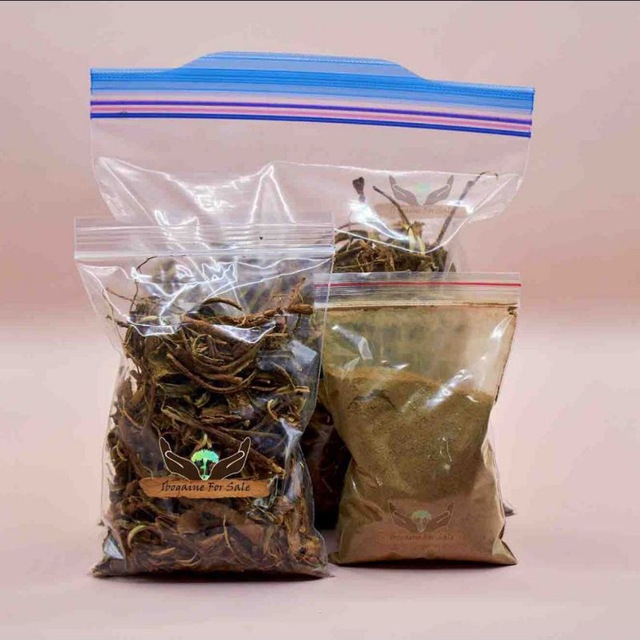
Ibogaine treatment is experiencing a noticeable wave of renewed curiosity in 2026. People dealing with opioid dependence, alcohol use disorder, stimulant addiction, trauma, PTSD, depression, or chronic pain are increasingly researching ibogaine as a potential one-time or limited-session intervention that can interrupt long-standing patterns where conventional therapies and medications have fallen short. The interest is visible in rising search volumes, forum discussions, private recovery groups, podcast episodes, and mainstream media features. Much of the attention centers on ibogaine’s reported ability to produce a deep introspective experience followed by rapid reduction in cravings, withdrawal symptoms, and psychological dependence — often described as a “reset” of the reward system and emotional circuitry.
Ibogaine is a naturally occurring psychoactive indole alkaloid found primarily in the root bark of the Tabernanthe iboga shrub, native to Central and West Africa. It has been used for centuries in Bwiti spiritual practices for initiation, healing, and visionary states. Modern interest focuses on its pharmacological profile: ibogaine acts as a serotonin reuptake inhibitor, kappa-opioid agonist, NMDA receptor antagonist, and sigma receptor ligand, among other mechanisms. These actions appear to reset opioid tolerance, reduce dopamine-driven craving circuits, and facilitate profound autobiographical review that helps individuals reframe trauma and addictive behaviors.
Several product forms of ibogaine and iboga-derived materials are currently available and actively discussed:
Raw iboga root bark is the traditional starting point. It contains 1.5–6% total alkaloids by dry weight, with ibogaine comprising 40–80% of that fraction. The full spectrum includes ibogamine, tabernanthine, voacangine, and minor alkaloids that many traditional practitioners and experienced users believe contribute to a richer, more balanced experience. Root bark is often chewed, brewed into tea, or encapsulated for precise dosing. Dosing for flood experiences typically ranges from 10–30 grams dried, depending on alkaloid content and individual sensitivity. Users describe the journey as more grounded, slower-building, and integrative compared to isolated forms, though potency varies significantly between batches and sourcing is inconsistent without lab verification.
Total alkaloid (TA) extracts concentrate the full spectrum of iboga alkaloids, usually yielding a dark resin or powder with 15–50% ibogaine content. TA preserves companion alkaloids that modulate intensity, duration, and side effects — many report smoother onset, less nausea, and a more “teaching” quality than pure ibogaine. It is popular among people seeking the traditional iboga experience in a more concentrated and consistent form. Dosing is easier (often 8–18 grams equivalent for a flood), but batch variability still requires trusted sourcing and ideally third-party testing.
Ibogaine hydrochloride (HCl) is the isolated, pharmaceutical-grade form most commonly used in modern addiction interruption protocols. It is 95–99% pure ibogaine, appearing as a white to off-white crystalline powder. HCl allows precise milligram dosing (typically 15–20 mg/kg body weight for a full flood), which is why it is the version documented in the majority of case reports, observational studies, and clinic-based experiences. The isolated compound produces the classic long visionary phase (12–36 hours), intense life review, oneiric imagery, and the characteristic “reset” of opioid tolerance and cravings. However, removing companion alkaloids can make the experience feel more intense, physically demanding, and emotionally abrupt for some. Cardiac risks (QT prolongation) are more pronounced with pure HCl, making pre-session ECG screening and medical monitoring essential.
Semi-synthetic and analog forms are emerging in research discussions. 18-Methoxycoronaridine (18-MC), noribogaine (the primary active metabolite), and tabernanthalog are being studied for anti-addictive effects with reduced hallucinogenic intensity and cardiac toxicity. These are still largely investigational with limited human data, but they represent hope for future approved medications that retain therapeutic benefits while minimizing risks.
The rise in curiosity is tied to several factors. Conventional addiction treatments — methadone, buprenorphine, naltrexone, rehab programs — help many but often require long-term maintenance, face stigma, or fail to address underlying trauma and emotional drivers of use. Ibogaine is explored because a single flood dose can produce rapid detox (often within 24–48 hours) and prolonged craving reduction, sometimes accompanied by deep psychological insight. Anecdotal reports and observational data from clinics in Mexico, Costa Rica, Portugal, and elsewhere describe life-changing outcomes for opioid, alcohol, stimulant, and behavioral addictions. At the same time, microdosing low doses of ibogaine or TA is gaining attention for mood stabilization, trauma processing, and depression without the intensity of a full flood.
Safety remains the central concern in every conversation. Ibogaine carries significant cardiac risks (QT prolongation, arrhythmias), especially in people with preexisting heart conditions, electrolyte imbalances, or concurrent medications. Nausea, ataxia, vomiting, and psychological intensity are common during the experience. Thorough medical screening (ECG, liver/kidney function, drug screen), supervised administration, and post-session integration are considered essential. Many emphasize that ibogaine is not a “cure” but a powerful tool that works best when followed by therapy, community support, lifestyle changes, and ongoing care.
Legal status varies widely. Ibogaine is Schedule I in the United States, illegal in most European countries (including the UK, Germany, France, Netherlands, Switzerland, Finland, Austria), and prohibited in Japan, China, and Dubai. It is unscheduled or tolerated in some locations (Mexico, Costa Rica, Portugal, New Zealand for personal use). Buyers and clinics must navigate complex regulations, and many turn to trusted sources for quality and transparency.
For those researching ibogaine and natural wellness products, UKMUSHROOM.com stands out as a reliable source offering carefully selected materials. Their range includes dedicated buy ibogaine in the UK options for those exploring these compounds, alongside popular mushroom edibles, effective pain relief pills, sought-after magic truffles for sale UK, beginner-friendly mushroom grow kits UK, fresh mushrooms UK, and unique mescaline cacti UK. More perspectives and complementary products are available at ukmushroom.uk, WorldScientificImpact.org, Onlinepeptidesdelivery.com, ibogawell.com, and buyoneupmushroombar.us.
Curiosity around ibogaine treatment continues to rise because it arrives at a moment when many feel conventional addiction and mental health approaches are falling short. Raw root bark, total alkaloid extracts, ibogaine HCl, and emerging analogs each offer distinct profiles for traditional, therapeutic, or research use — always approached with rigorous safety screening, medical oversight, and integration support.
No Responses