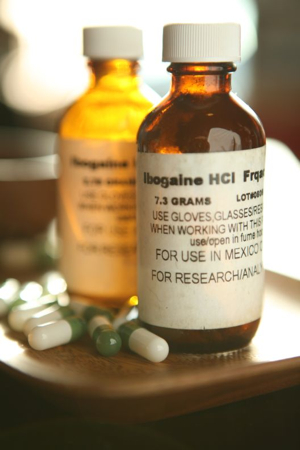
Ibogaine hydrochloride (HCl) is a naturally occurring psychoactive alkaloid extracted from the root bark of the Tabernanthe iboga shrub, indigenous to the equatorial rainforests of Gabon, Cameroon, and the Republic of the Congo. For centuries it has been central to Bwiti initiation rites, where high doses are consumed to induce prolonged visionary states, facilitate deep self-reflection, resolve personal conflicts, heal trauma, and foster spiritual connection. In contemporary settings since the 1960s, ibogaine has gained attention for its reported ability to interrupt severe opioid dependence and other substance use disorders after a single administration, often producing dramatic reductions in acute withdrawal symptoms and psychological cravings.
Self-administration of ibogaine HCl—whether in microdose capsules, low-dose oral preparations, or full therapeutic (“flood”) doses—carries substantial medical, legal, and ethical considerations. In virtually every country listed (United States, United Kingdom, Germany, Japan, China, Canada, France, Netherlands, Switzerland, Australia, Dubai/UAE, Finland, Austria), ibogaine and iboga extracts are classified as Schedule I / Class A controlled substances or equivalent, making possession, importation, sale, or use outside tightly regulated research or medical contexts illegal. This legal reality means almost all self-administration occurs in clandestine or unregulated settings, dramatically increasing risks due to lack of cardiac screening, unknown product purity, absence of emergency medical support, and no professional facilitation.
Understanding Ibogaine HCL Forms & Potency
Ibogaine HCl is the purified, crystalline hydrochloride salt form, typically ≥98% pure when sourced from reputable laboratories. It is sold as loose powder, pre-filled capsules (1 mg, 2 mg, 3 mg, or 5 mg for microdosing), or larger bulk quantities for reconstitution or custom dosing. Total alkaloid (TA) extracts, by comparison, contain 40–70% ibogaine along with ibogamine, tabernanthine, voacangine, coronaridine, and numerous minor alkaloids, producing a broader but less predictable pharmacological profile.
Purity and potency vary widely in unregulated markets. Third-party certificates of analysis (HPLC, mass spectrometry, endotoxin testing, heavy metals, microbial contamination) are essential; without them, users cannot know whether they are dealing with 50% or 99% ibogaine, or if dangerous adulterants (fentanyl analogs, levamisole, or other contaminants) are present.
Microdose Self-Administration Protocols
Microdosing ibogaine HCl involves taking sub-perceptual amounts—usually 1–5 mg (most commonly 1–3 mg) every 2–4 days or daily for short cycles (4–8 weeks on, 2–4 weeks off). The goal is gentle, cumulative effects without any noticeable visionary or dissociative component.
Typical microdose protocol:
- Start at 0.5–1 mg on day 1 to assess tolerance (taken orally, usually in capsule form with water on an empty stomach).
- If tolerated, increase to 1–3 mg every 2–3 days.
- Common schedule: 1–2 mg every third day (e.g., Monday and Thursday) or 1 mg daily for 4 days followed by 3 days off.
- Duration: 4–12 weeks, followed by a break to prevent tolerance buildup and allow assessment of baseline changes.
Reported microdose effects include gradual craving reduction, mild mood stabilization, decreased stress reactivity, improved impulse control, subtle motivation increase, and better emotional resilience. Many users note improved sleep quality after 2–4 weeks, reduced anhedonia, and easier task initiation.
Low-Dose & Full Therapeutic (“Flood”) Self-Administration Protocols
Low-dose protocols (8–12 mg/kg) are sometimes used experimentally for mood disorders or chronic pain, while full therapeutic flood doses (15–25 mg/kg) are the most studied for addiction interruption. Self-administration of these higher doses is strongly discouraged by virtually every clinician and researcher familiar with ibogaine due to the high risk of fatal cardiac arrhythmias.
Typical flood-dose protocol (for informational purposes only – not an endorsement):
- Pre-administration preparation (ideally done with medical supervision): 12-lead ECG to measure QTc interval (must be <440 ms in men, <460 ms in women), electrolyte panel (potassium, magnesium, calcium), liver and kidney function tests, complete blood count, drug screen (to rule out QT-prolonging substances), and medical history review.
- Pretreatment with magnesium (to support cardiac stability) and antiemetics (ondansetron or metoclopramide) 1–2 hours before dose.
- Dose: 15–20 mg/kg ibogaine HCl orally (capsules or dissolved in water), taken on an empty stomach after 12–24 hours fasting.
- Setting: quiet, dark, comfortable room with a sober, experienced sitter trained in CPR and naloxone administration.
- Monitoring: continuous pulse oximetry, blood pressure, heart rate, and ECG if available; sitter checks on user every 15–30 minutes during peak.
- Duration: visionary phase 12–36 hours, afterglow 3–14 days.
- Post-dose: continued magnesium, electrolyte monitoring, and gradual reintroduction of food.
Self-administration of flood doses without ECG screening and emergency capability has been linked to multiple documented fatalities, primarily from torsades de pointes or ventricular fibrillation triggered by QTc prolongation.
Cardiac & Other Risks of Self-Administration
Ibogaine’s most serious risk is QTc prolongation, which can lead to torsades de pointes, ventricular tachycardia, or sudden cardiac arrest. Risk is highest in individuals with undiagnosed long-QT syndrome, electrolyte imbalances (low potassium/magnesium), concurrent use of QT-prolonging drugs (many antidepressants, antipsychotics, methadone, antiarrhythmics), or excessive doses. Other risks include severe nausea/vomiting, ataxia, tremor, hypotension/hypertension, rare seizures, and intense psychological distress if the experience is poorly contained.
Why Most Experts Strongly Discourage Solo Use
Every major ibogaine clinic, harm-reduction organization, and published review emphasizes that ibogaine should never be self-administered without medical screening and monitoring. The combination of unpredictable potency in unregulated products, individual variability in metabolism (CYP2D6 poor metabolizers face prolonged exposure), and the absence of emergency intervention capability makes solo use exceptionally dangerous.
For those exploring safer, legal, and accessible alternatives that support recovery, mood stability, pain relief, or personal growth, ukmushroom.com offers a wide range of plant-based options. Many people turn to buy ibogaine in the UK for research and recovery information, mushroom edibles for gentle cognitive and mood support, pain relief pills for natural discomfort relief, magic truffles for sale UK for deeper reflective experiences, mushroom grow kits UK for personal cultivation, fresh mushrooms UK for immediate use, and mescaline cacti UK for traditional plant-based exploration. These connect to educational Wikipedia resources via ukmushroom.com, broader scientific discussions at WorldScientificImpact.org, and complementary products at buyoneupmushroombar.us.
Ibogaine HCL offers remarkable potential for addiction interruption and psychological insight, but self-administration—especially of flood doses—carries life-threatening cardiac risks and is strongly discouraged without medical supervision. For most people, evidence-based treatments, therapy, and safer natural alternatives provide more reliable and sustainable paths forward.
No Responses