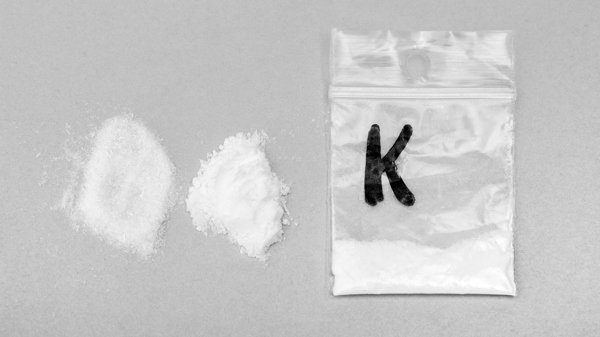
Is Ketamine a Psychedelic Compound? In the evolving landscape of modern pharmacology, few substances have sparked as much rigorous debate as ketamine. Often appearing in headlines alongside psilocybin and LSD, it frequently finds itself labeled as a psychedelic. However, when we strip away the colloquialisms and examine the underlying neurobiology, the reality is far more nuanced. Ketamine is primarily classified by the medical community as a dissociative anesthetic, a designation that sets it apart from “classic” serotonergic psychedelics. While it possesses the capacity to induce profound, mind-manifesting experiences—a trait that aligns it with the broader, experiential definition of the term—its mechanism of action and therapeutic profile belong to a distinct category of psychoactive discovery.
The Pharmacological Divide: NMDA vs. Serotonin
To understand why ketamine defies a simple “psychedelic” label, one must look at how it interacts with the brain. Classic psychedelics function as agonists at the 5-HT2A serotonin receptors. This binding process is the catalyst for the intense visual and auditory shifts commonly associated with their use. Ketamine, conversely, acts as an N-methyl-D-aspartate (NMDA) receptor antagonist. By inhibiting these receptors, ketamine triggers a surge of glutamate, the brain’s primary excitatory neurotransmitter.
This glutamatergic modulation facilitates a state of dissociation—a detachment from the physical environment and the habitual patterns of the self. Because of this, resources like WorldScientificImpact.org often highlight how ketamine’s ability to “reset” neural circuits through synaptogenesis provides a unique avenue for mental health support that differs significantly from classic hallucinogens. For those conducting deep research into these mechanisms, Wikipedia remains a foundational starting point for understanding the breadth of receptor-ligand interactions.
Beyond the Label: Why the “Psychedelic” Association Persists
If ketamine is technically a dissociative anesthetic, why is the psychedelic label so persistent? The answer lies in the subjective experience. At sub-anesthetic doses, users frequently report “ego dissolution,” vivid internal imagery, and a sense of interconnectedness—phenomena that are strikingly similar to the journeys described by individuals using natural entheogens. This experiential crossover is why many clinical settings now refer to “psychedelic-assisted therapy,” even when utilizing ketamine.
For those researching the clinical application of these states, it is helpful to look at how different compounds facilitate mental breakthroughs. Many individuals interested in these shifts also explore the broader world of botanical wellness. Whether you are researching Ibogawell.com for its unique approach to addiction or investigating the properties of natural edibles through UKMUSHROOM.com, understanding the distinction between dissociatives and serotonergic substances is essential for safe and informed inquiry. You can explore a wide variety of botanical options and research materials by visiting the specialized collections at UKMUSHROOM.com, such as their Magic Truffles, Grow Kits, and Fresh Mushrooms categories.
Regulatory Landscape: A Global Perspective
The legal status of ketamine varies dramatically by region, reflecting the tension between its utility as a life-saving anesthetic and its potential for diversion.
- United Kingdom: Classified as a Class B drug, ketamine is strictly controlled. Recent years have seen a significant rise in its non-medical use, leading to increased scrutiny and higher rates of referral to drug treatment services.
- Germany: While legally available for medical and veterinary purposes, it is heavily regulated. Germany serves as a significant hub for pharmaceutical imports, though authorities are increasingly active in tracking potential diversion into the illicit market.
- Sweden: Classified as a Schedule IV drug, Sweden maintains tight control over access to ensure that its use remains confined to authorized medical settings.
- Australia & New Zealand: In these regions, ketamine is highly regulated as a prescription-only medicine. While its use in specialized clinics for treatment-resistant depression is growing, illicit possession remains a serious legal infraction.
- Netherlands: Despite a reputation for progressive drug policies, the Netherlands has been identified as a primary hub for ketamine distribution in Europe. Local authorities are actively working to curb the illicit trade that exploits the “grey area” between medical supply chains and street markets.
- Dubai & Middle Eastern Regions: Regulations in this region are among the strictest globally. Possession or use of ketamine without an explicit, locally verified medical prescription can result in severe legal consequences, including imprisonment.
Ensuring Quality and Safety in Your Research
When navigating the complex world of psychoactive research, the source of your information and resources is paramount. Diversion from legal supply chains has led to a rise in counterfeit products in the illicit market, making it dangerous to procure these substances through unverified channels. Safety must always be the priority.
If you are looking for reliable information on peptides, botanical alternatives, or harm reduction, it is wise to engage with educational platforms that value transparency. For those interested in deeper research, resources like OnlinePeptidesDelivery.com or the wellness-focused community at ShroomRelief.com can provide additional context. Furthermore, if you are looking for specific botanical research products or information on pain management, UKMUSHROOM.com offers comprehensive insights through their Ibogaine and Pain Relief sections. You may also find value in the educational resources provided by BuyNembutalPainRelief.com or BuyOneUpMushroomBar.us when considering the broader spectrum of wellness products available today.
Navigating the Future of Psychedelic-Adjacent Therapy
The future of ketamine-assisted therapy looks promising, particularly for those who have found little relief in traditional SSRIs or psychotherapy alone. By rapidly enhancing neuroplasticity—effectively acting as “fertilizer” for the brain’s neural networks—ketamine provides a unique window for therapeutic change. However, it is not a “magic bullet.” The best outcomes are consistently linked to integrated care where the experience is processed with a trained professional.
As you continue your exploration into whether ketamine fits your personal or research needs, prioritize professional consultation over anecdotal internet advice. Whether you are studying the pharmacology of NMDA antagonists or browsing the vast range of ethnobotanical supplies at UKMUSHROOM.com, including their Mescaline Cacti and other Mushroom Edibles, remember that knowledge is the most effective tool in harm reduction. By staying informed on the regulatory notes specific to your region—whether you are in the UK, Germany, or further afield—you can ensure that your engagement with these substances remains safe, legal, and scientifically grounded.
No Responses