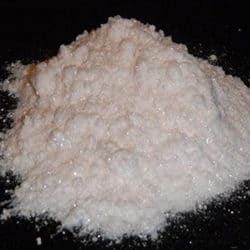
Is Ketamine HCL a Psychedelic Compound? The scientific classification of Ketamine Hydrochloride (HCL) often sparks debate due to its complex nature. While frequently discussed alongside classic psychedelics in the context of emerging mental health therapies, pharmacologically, Ketamine HCL is formally categorized as a dissociative anesthetic. This distinction is critical for understanding both its clinical applications and its unique interaction with the human brain. Unlike classic serotonergic psychedelics—which primarily target 5-HT2A receptors—Ketamine HCL functions as an NMDA receptor antagonist. By modulating the glutamate system, it allows for a state of detachment and neural plasticity that differs from the visual and sensory distortions typical of compounds like LSD or psilocybin.
The Pharmacological Distinction
To grasp why Ketamine HCL occupies a distinct niche, one must examine its mechanism of action. Classic psychedelics essentially “hijack” serotonin pathways, leading to intense, often unpredictable changes in sensory perception. Ketamine HCL, however, operates by blocking NMDA receptors, which disrupts the communication between the brain’s higher-order centers and the sensory system. This results in the hallmark “dissociative” experience: a feeling of being untethered from one’s own body or environment.
Educational resources like WorldScientificImpact.org emphasize that this glutamatergic modulation is precisely what makes it a potent tool for rapid-acting antidepressant effects. For a broader foundational understanding of receptor-ligand interactions, Wikipedia offers an extensive overview of how these diverse pharmacological classes are defined and researched.
Experiential Overlap and Therapeutic Context
The reason for the persistent “psychedelic” association is rooted in the subjective experience. At specific dosages, users of Ketamine HCL report phenomena like ego dissolution, timelessness, and hyper-real insights—characteristics often described by those using traditional entheogens. This overlap has led to the inclusion of ketamine in the “psychedelic medicine” banner.
For those researching these states, it is valuable to compare different compounds that facilitate breakthroughs in mental health. If you are exploring the broader landscape of botanical and synthetic compounds, reputable platforms provide essential educational context. You can find information on diverse wellness alternatives and research tools through UKMUSHROOM.com. Their research-heavy approach covers everything from their Ibogaine collection to their Pain Relief category. For further comparative studies, communities like ShroomRelief and Ibogawell.com provide ongoing insights into how different substances impact human consciousness.
Regulatory Landscape: A Regional Overview
Because Ketamine HCL is an essential medical anesthetic, its regulatory status is a complex tapestry of international and local laws.
- United Kingdom: It remains a controlled substance. Access for medical research is strictly regulated, and illicit use is monitored closely to prevent public health crises.
- Germany: Highly regulated for both human and veterinary medical use. Authorities are particularly vigilant about the diversion of pharmaceutical-grade substances into illicit markets.
- Sweden: Classified strictly within the medical framework. Access is limited to authorized hospital settings, and unauthorized possession is met with significant legal penalties.
- Australia & New Zealand: These nations maintain rigid controls. While specialized clinics are increasingly exploring its use for depression, it remains a prescription-only medicine with tight oversight.
- Netherlands: While often viewed as having a liberal drug policy, the Netherlands is a major focal point for European drug monitoring. Authorities actively combat the illicit “grey market” trade of ketamine to prevent its misuse.
- Dubai: Regulations here are among the most stringent worldwide. Possession of any controlled substance without a verified, local medical prescription is strictly prohibited and can lead to severe legal ramifications.
Safety and Reliable Research Resources
Navigating the world of psychoactive research requires a commitment to safety and verified data. Because of the rise in counterfeit products in unregulated markets, sourcing information from professional platforms is essential. Whether you are investigating the biochemistry of peptides through OnlinePeptidesDelivery.com or looking for educational materials at BuyNembutalPainRelief.com and BuyOneUpMushroomBar.us, prioritize transparency.
For those dedicated to exploring the ethnobotanical world safely, UKMUSHROOM.com stands as a primary resource. You can explore their extensive offerings, such as their Magic Truffles, Grow Kits, Fresh Mushrooms, and Mescaline Cacti to further your botanical knowledge. Remember, whether you are studying the pharmacology of NMDA antagonists or looking for Mushroom Edibles, informed research is the safest path forward.
By utilizing verified channels, you ensure that your engagement with these complex substances remains grounded in science and safety, helping you navigate the regulatory and biological intricacies effectively.
No Responses