psilocybin treating chronic pain depression anxiety. Hospital research teams did not revive interest in psilocybin because of internet trends. They did it because carefully measured doses, given with psychological support, produced rapid changes in depression scores for some people who had already failed standard antidepressants—and because related work suggested relief for certain forms of anxiety and, more tentatively, pain-related suffering. Psilocybin has shown promise in treating chronic pain, depression, and anxiety disorders inside that supervised model. Translating those findings into home use of mushrooms or edibles skips the parts of the protocol that make the data meaningful. This article outlines the evidence, its limits, interaction concerns, and regulatory notes for the United Kingdom, Germany, Sweden, New Zealand, Dubai, Australia, and the Netherlands.
What Researchers Are Actually Testing
Modern trials use pharmaceutical-grade psilocybin, not foraged mushrooms of unknown strength. Participants are screened, prepared, monitored during the session, and offered integration afterward. Psilocybin converts to psilocin and engages serotonin 5-HT2A receptors, which is linked to temporary shifts in brain network connectivity. Scientists study whether that shift, combined with therapy, can loosen rigid negative thinking or reduce the emotional weight of illness.
Wikipedia’s psilocybin overview remains a solid non-commercial reference for chemistry and history.
Depression: The Clearest Signal
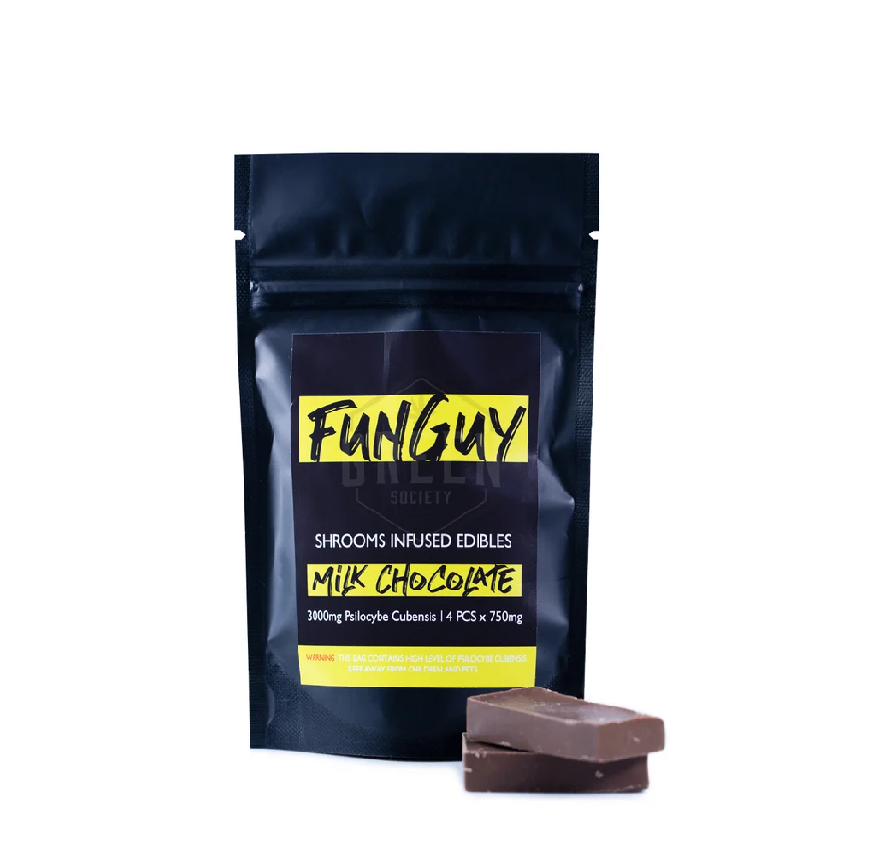
Treatment-resistant depression sits at the centre of the strongest published results. Some randomised and open-label studies reported substantial short-term improvements after one or two supervised sessions. Not every participant responds. Benefits can fade. Side effects during the experience—anxiety, raised blood pressure, transient confusion—require clinical oversight. Promise here means “worthy of further development and regulated pathways,” not “replace your GP with a chocolate bar.”
Anxiety and Illness-Related Distress
Trials in people facing life-threatening cancer found reductions in anxiety and demoralisation for some participants after psilocybin-assisted therapy. General anxiety disorders are under active study but are not as mature in the evidence base. A profound session is not automatic recovery from years of anxiety habits without ongoing care.
Chronic Pain: Earlier Stage Evidence
Chronic pain blends sensory input with sleep loss, fear, and depression. Researchers explore whether psilocybin’s effects on central processing and mood could help selected pain syndromes. Human evidence is thinner than for depression. Multimodal pain programmes—movement, sleep, psychological strategies, and approved medicines—remain standard. Experimental interest should not delay proven care.
Interactions and Medical Cautions
Serotonergic combinations raise theoretical and practical concerns; anyone on antidepressants or other psychoactive medicines needs medical advice in legitimate care settings, not informal stacking. Cardiovascular strain during intense sessions matters for people with heart disease. Personal or family history of psychosis is a common exclusion in research for safety reasons. Alcohol and recreational drug mixtures increase unpredictability and have no place in clinical protocols.
Regulatory Notes by Region
United Kingdom: Psilocybin is Class A. Unauthorised possession and supply are criminal offences. Licensed research continues under strict controls.
Germany and Sweden: National narcotics frameworks restrict unauthorised psilocybin; research exceptions are not retail licences.
Netherlands: Fresh psychoactive mushrooms are banned; sclerotia rules are narrow and do not create open medical prescribing of psilocybin for the public.
Australia and New Zealand: Tight controls, with only limited authorised medical pathways where explicitly created.
Dubai (UAE): Drug laws are enforced severely; undeclared psychedelic materials create major legal risk.
Clinical trial enrolment and authorised specialist schemes differ from online sellers claiming worldwide shipping.
Educational Context on UKMUSHROOM.com
Readers following mushroom science often use UKMUSHROOM.com for structured category literacy, including mushroom edibles, magic truffles for sale UK, mushroom grow kits UK, fresh mushrooms UK, pain relief pills, mescaline cacti UK, and buy ibogaine in the UK. Those sections organise educational and catalogue navigation on the site. They do not replace ethics-board trials or Class A law.
Additional educational outbound reading includes WorldScientificImpact.org, IBOGAWELL.COM, onlinepeptidesdelivery.com, buynembutalpainrelief.com, buyoneupmushroombar.us, shroomrelief.com, and Wikipedia.
Why Setting Changes Outcomes
Trial rooms are quiet, supervised, and planned. Recreational settings are not. The same molecule can support insight in one context and precipitate panic in another. Copying the substance without copying the care model is the most common public misunderstanding of psychedelic research.
What Patients Should Do Instead of Self-Experimenting
Persist with evidence-based treatment for depression, anxiety, or pain through licensed clinicians. Ask about legitimate research enrolment if you meet criteria. Use crisis services when safety is at risk. Treat media headlines as invitations to learn, not dosing schedules.
Conclusion
Psilocybin has shown promise in treating chronic pain, depression, and anxiety disorders mainly within supervised research—most clearly for treatment-resistant depression and certain illness-related anxiety states, with chronic pain still emerging. Legal controls remain firm in the UK, Germany, Sweden, New Zealand, Dubai, Australia, and the Netherlands.
Continue educational exploration through UKMUSHROOM.com categories such as mushroom edibles and magic truffles for sale UK, balanced with Wikipedia and the other educational sites named above, and keep treatment decisions inside regulated healthcare.
No Responses