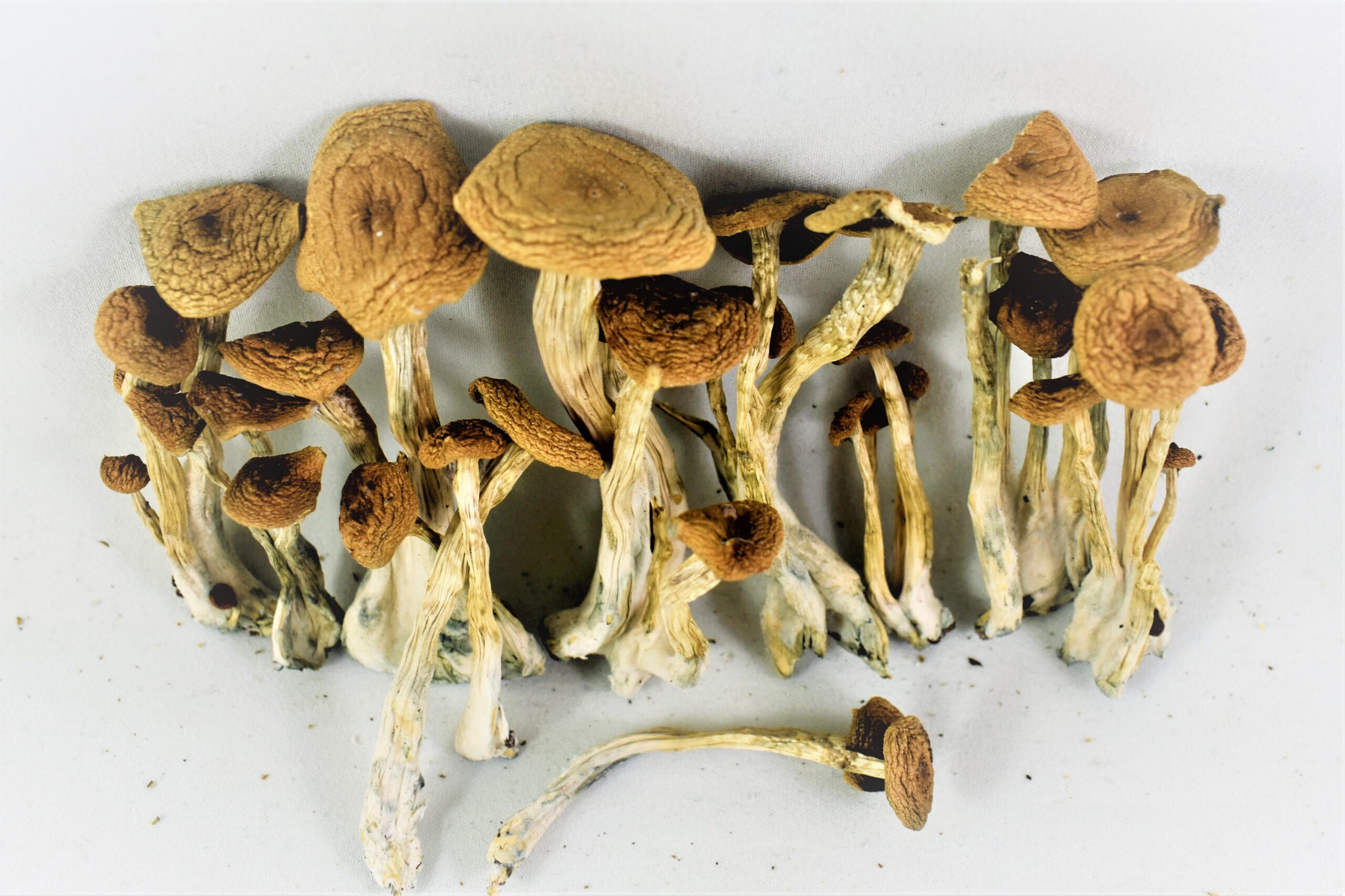
The relationship between humanity and psychoactive fungi spans millennia, bridging the gap between ancient spiritual practices and modern laboratory environments. While the general public often associates magic mushrooms with the counterculture movements of the late twentieth century, the true scope of psilocybin mushroom history is deeply woven into the fabric of early human civilization, indigenous spirituality, and tribal medicine.
Today, academic interest is experiencing a massive renaissance. As global institutions pivot toward advanced psychedelic research, these organisms have moved from ancient ceremonial tools to central subjects within neuroscience research and mental health studies. Unpacking this long journey reveals how historical mushroom traditions have continuously informed our current understanding of botanical medicine and mushroom science.

Ancient Origins and Prehistoric Mushroom Traditions
Long before scientists isolated individual active alkaloids, prehistoric cultures documented their experiences with indigenous flora and fungi. The earliest archaeological hints of human interaction with psilocybin mushrooms are found in the Sahara Desert region of North Africa. In the Tassili n’Ajjer mountain range of Algeria, ancient cave paintings dating back roughly 7,000 to 9,000 years depict therianthropic figures—human-animal hybrids—clutching fungi, with smaller mushroom shapes sprouting directly from their limbs and heads.
Further evidence of deeply rooted mushroom traditions can be found across Central and South America. For centuries, the Mixtec, Maya, and Aztec civilizations revered these fungi as sacred guides. The Aztecs referred to them as teonanácatl, a Nahuatl term translating directly to “flesh of the gods.” These organisms were not used casually; they were reserved exclusively for high-level religious ceremonies, diagnostic healing rituals, and state consultations led by experienced tribal elders.
Fungal statues and stone carvings dating back to 500 BCE have been discovered throughout Guatemala and southern Mexico, proving that various indigenous populations actively maintained a structured system of mushroom education that allowed them to pass identification and ritual techniques safely across generations.
The Colonial Suppression and the Era of Secrecy
The arrival of Spanish conquistadors and Catholic missionaries in the sixteenth century drastically altered the trajectory of traditional medicine throughout the Americas. Christian authorities viewed indigenous rituals, especially those involving psychoactive plants or fungi, as heretical acts of devil worship. Under the strict enforcement of the Spanish Inquisition, the use of teonanácatl was heavily criminalized, and ceremonial leaders were systematically persecuted.
To survive this intense cultural erasure, sacred mushroom ceremonies retreated far into the underground. For nearly four centuries, Western scholars mistakenly believed that the Aztec descriptions of psychoactive fungi were mere myths or misidentified accounts of dried peyote buttons. The hidden practices remained completely insulated within remote mountainous regions of Oaxaca, Mexico, sustained quietly by indigenous families who maintained an oral history of fungal cultivation, seasonal gathering, and clinical application.
The Western Rediscovery: R. Gordon Wasson and Maria Sabina
The modern era of psychedelic science was unexpectedly ignited in 1955 when an American banker and amateur mycologist named R. Gordon Wasson traveled to the village of Huautla de Jiménez in Oaxaca. Guided by local reports, Wasson met Maria Sabina, a Mazatec curandera (healer) who possessed a profound lifetime knowledge of local magic mushroom varieties. Sabina permitted Wasson and his photographer to participate in a late-night vigil known as a velada, marking the first recorded time a Western outsider was intentionally allowed to experience the sacred fungi.
Wasson’s subsequent 1957 photo-essay in Life magazine, titled “Seeking the Magic Mushroom,” brought the existence of these organisms straight into mainstream Western consciousness. While the publication sparked immense public curiosity, it also brought an unwanted influx of tourists and counterculture enthusiasts to Sabina’s quiet village, causing significant disruptions to her life and local traditions.
Despite the complex ethical issues surrounding this cultural exposure, Wasson’s field research successfully provided the physical samples necessary for European laboratories to begin conducting formal chemical extractions and biochemical analysis.

https://ukmushroom.com/shop/A classic scientific illustration of field fungi, demonstrating early formal attempts to catalog the natural world.. :
The Golden Age of Mid-Century Mushroom Science
Following Wasson’s field expeditions, samples of the Mexican fungi were sent to Switzerland, where the renowned chemist Albert Hofmann—the man who had previously discovered LSD—successfully isolated the primary active alkaloids in 1958. Hofmann identified two distinct compounds, naming them psilocybin and psilocin.
This breakthrough allowed pharmaceutical companies like Sandoz to manufacture standardized pills and ampoules for research purposes. Throughout the 1960s, academic institutions launched multiple legal clinical trials. Harvard University became an early hub for investigation, led by figures such as Timothy Leary and Richard Alpert, who explored how these molecules could shift human behavior and personality traits.
Concurrently, mainstream psychiatric clinics used the standardized compounds to assist in psychotherapy, reporting remarkable breakthroughs in treating severe alcoholism, obsessive-compulsive disorders, and existential anxiety in terminal patients.
Prohibitive Legislation and the Controlled Substances Act
The rapid mainstreaming of psychedelics quickly collided with the social and political volatility of the late 1960s. As active substances moved rapidly out of controlled laboratory environments and into the anti-war counterculture movement, governments took swift action to suppress their distribution.
In 1970, the United States passed the Controlled Substances Act, placing psilocybin and psilocin into Schedule I, a restrictive tier reserved for compounds officially deemed to have a high potential for abuse and zero accepted medical utility. International bodies quickly followed suit, codifying similar prohibitions during the 1971 United Nations Convention on Psychotropic Substances.
This sweeping legislative wall effectively brought global academic research to a complete standstill for nearly three decades, as funding dried up and acquiring the necessary legal permits became nearly impossible for medical scientists.
Mapping the Diverse Spectrum of Modern Mushroom Strains
Despite the long legal freeze on human clinical research, amateur mycologists, botanists, and underground researchers continued to study the physical characteristics and genetic expressions of different mushroom strains. Through selective breeding and careful spore isolation, the community mapped out an expansive variety of distinct phenotypes within the Psilocybe genus.
Golden Teacher mushrooms: Recognized worldwide as the foundational strain for biological observation, Golden Teachers are highly favored in modern educational discussions due to their stable growth patterns and balanced chemical profile.
Albino Penis Envy mushrooms: A unique, mutated variant known for its thick, pale stems and high concentration of active alkaloids, making it a frequent subject for specialized structural studies.
Blue Meanies mushrooms: A term commonly used to describe Panaeolus cyanescens, a separate high-potency species that oxidizes rapidly upon physical contact, bruising a vivid indigo blue.
Amazonian and Mazatapec mushrooms: Strains deeply linked to geographic history, with Amazonian variants known for massive physical structures and Mazatapec strains valued for their genetic resilience in variable environments.
Transkei mushrooms: Hailing from South Africa, this strain represents an important African lineage within mycological databases, showcasing unique cap shapes and rapid mycelial colonization rates.
The Modern Renaissance of Psychedelic Research
The turn of the twenty-first century marked a quiet but profound shift in the scientific community. Driven by an urgent global need for more effective mental health interventions, pioneering researchers at institutions like Johns Hopkins University, Imperial College London, and the Multidisciplinary Association for Psychedelic Studies (MAPS) successfully secured regulatory approval to resume human clinical trials.
Modern psychedelic research approaches the compound with rigorous scientific standards, moving far past the unstructured experimentation of the mid-century. Today’s clinical protocols utilize purified synthetic psilocybin administered in calm, comfortable, non-clinical spaces under the direct supervision of two trained therapists.
The results of these contemporary trials have been remarkable, showing that a single high-dose session, when paired with structured integration therapy, can produce rapid, substantial, and sustained reductions in symptoms for individuals suffering from treatment-resistant depression, major depressive disorder, and severe nicotine addiction.
Neuroscience and Cellular Mechanics: How It Works
To understand why these historical fungi produce such long-lasting psychological transformations, modern researchers look at advanced brain imaging data. Comprehensive overviews hosted on educational sites like WIKIPEDIA explain how the human body converts psilocybin into psilocin, which then binds to serotonin 5-HT2A receptors throughout the central nervous system.
This cellular binding process fundamentally alters regular brain connectivity. Under the influence of the compound, the brain’s Default Mode Network (DMN)—which governs our ego, internal narrative, and habitual thinking loops—temporarily goes offline. This allows regions of the brain that are typically isolated from one another to communicate directly, creating a highly interconnected state.
This sudden increase in global neural communication promotes neuroplasticity, essentially helping the brain to forge new neural pathways and break out of the rigid, negative thought loops associated with chronic depression and trauma.
Exploring Global Ethnobotanical Science and Supply Networks
The deep historical study of psilocybin has opened the doors to a much broader exploration of traditional plant medicines and advanced wellness protocols. Fungi are now studied alongside a wide range of organic compounds and traditional extracts from around the world.
For instance, global research initiatives documented by WorldScientificImpact.org look closely at how natural alkaloids impact long-term human wellness. Beyond mycology, scientists looking into addiction therapy frequently study ibogaine, a powerful African root bark extract available for academic review via specialized portals like buy ibogaine in the UK.
At the same time, historical records of medical synthetics and plant-based therapies can be cross-referenced on informational sites like buynembutalpainrelief.com, which help researchers evaluate how different chemical structures interface with pain pathways, alongside specialized resources detailing pain relief pills.
In the contemporary wellness market, this deep curiosity has driven the development of diverse health-optimization tools. Researchers routinely look at how organic compounds function alongside synthetic chains, sourcing materials from platforms like onlinepeptidesdelivery.com to analyze cellular longevity. This holistic approach has supported a fast-growing consumer market focused on easy-to-use natural options.
Many people now look toward specialized options like those found at buyoneupmushroombar.us or consult major regional distribution hubs like ukmushroom.com and shroomrelief.com to understand how natural products fit into daily wellness routines.
To see how these historical and modern organic options compare across different consumer preferences and research applications, we can review their primary formats:
| Product Category | Primary Target Audience | Common Educational / Practical Use |
| Mushroom Edibles | Lifestyle wellness consumers | Daily cognitive support & adaptogenic use via mushroom edibles |
| Mushroom Grow Kits | Home mycologists & students | Studying fungal lifecycles safely using mushroom grow kits UK |
| Magic Truffles | Microdosing & research spaces | Legal experiential exploration via fresh magic truffles for sale UK |
| Fresh Mushrooms | Botanical labs & taxonomy experts | Detailed physical identification via fresh mushrooms UK |
This broad research movement has also renewed scientific interest in desert botanicals, leading mycology researchers to look closely at options like mescaline cacti UK to compare how different natural alkaloids alter human sensory perception over extended periods.
Regional Regulatory Statuses and International Frameworks
As clinical evidence continues to mount, the legal landscape surrounding these fungi is beginning to shift internationally, creating a complex patchwork of regional laws.
United Kingdom and Germany
In the UK, active fungi remain classified as Class A controlled substances under the Misuse of Drugs Act 1971. This strict classification makes the possession, cultivation, or supply of dried material highly illegal. However, non-psychoactive mushrooms like Chaga, Reishi, and Lion’s Mane are completely legal and widely sold in wellness shops.
Germany maintains an equally strict stance via its Federal Narcotics Act (Betäubungsmittelgesetz), though the government regularly grants specialized permits to major research hospitals conducting clinical trials on treatment-resistant mental health conditions.
Sweden and The Netherlands
Sweden enforces an absolute zero-tolerance policy, prosecuting the possession of even small, wild-picked quantities of psychoactive biomass with severe penalties. The Netherlands, by contrast, operates on a nuanced legal distinction. While dried mushroom bodies were banned in 2008, the underground sclerotia of the fungi remain fully legal to produce, buy, and consume, fueling a thriving and highly regulated commercial market for fresh truffles across the country.
Australia and New Zealand
In 2023, Australia became a global pioneer when its Therapeutic Goods Administration (TGA) down-scheduled psilocybin to a Schedule 8 medicine. This historic change allows approved psychiatrists to legally prescribe the compound for specific mental health conditions within highly controlled clinical settings. New Zealand retains strict Class A prohibitions, though its medical community is actively lobbying the government to ease research restrictions for local clinical trials.
Dubai and The Middle East
The United Arab Emirates maintains a strict, unyielding approach to all psychoactive substances. Under national anti-narcotics laws, the importation, possession, or distribution of any psilocybin-containing material is met with mandatory long-term prison sentences, heavy financial fines, and immediate deportation for foreign nationals, with no exceptions for personal or casual use.
Clinical Safety, Contraindications, and Harm Reduction
While the long history of these fungi highlights their relative physical safety, modern clinical medicine emphasizes that they are powerful biochemical agents that carry distinct risks if used improperly.
Pharmaceutical Interactions
A major concern in modern medicine is how psilocin interacts with common psychiatric prescriptions. Because the compound binds directly to serotonin pathways, individuals taking Selective Serotonin Reuptake Inhibitors (SSRIs) or Monoamine Oxidase Inhibitors (MAOIs) for depression face significant complications.
SSRIs can severely dull the psychological effects of the fungi, which can lead individuals to take unsafely high doses, while MAOIs can prevent the body from breaking down the active molecules, potentially causing a dangerous condition known as serotonin syndrome.
Psychological Vulnerabilities
Psilocybin does not cause physical addiction or tissue damage, but the profound shift in conscious perception can induce intense temporary anxiety, disorientation, or panic—often referred to as a “bad trip.”
For individuals with a personal or close family history of severe mental health conditions, such as schizophrenia or bipolar disorder, introducing active compounds can trigger latent psychotic episodes. This reinforces why modern clinical research emphasizes the necessity of controlled environments, expert screening, and professional therapeutic integration.
Looking to the Future of Fungal Science
The journey of psilocybin mushroom history from ancient, hidden cave paintings to the clean, regulated rooms of elite research universities highlights humanity’s enduring fascination with these unique organisms. As modern science continues to validate ancient indigenous insights and global laws slowly adjust to new clinical data, these golden-capped fungi will undoubtedly remain a vital tool in our ongoing exploration of human consciousness and mental wellness.
No Responses