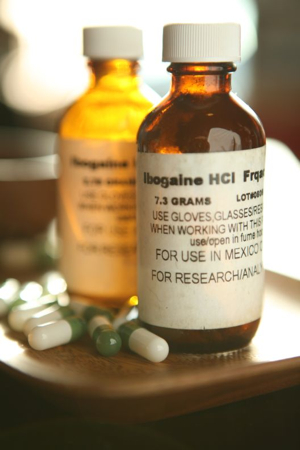
The search for therapeutic agents capable of altering entrenched neuropsychiatric patterns has led modern science to evaluate complex ethnobotanical compounds. Among these, ibogaine stands out as a unique indole alkaloid that breaks traditional pharmaceutical classifications. Extracted primarily from the root bark of the central African shrub Tabernanthe iboga, this molecule has transitioned from its ancestral, ceremonial roots in West Africa into a subject of global neurobiological research.
Unlike classic psychedelic substances that primarily target a single neurotransmitter pathway, ibogaine exhibits a highly complex, multimodal affinity profile across the central nervous system. This multi-system interaction has captured the attention of clinicians, researchers, and individuals seeking deep physiological and psychological transitions.
The Complex Neuropharmacology of Ibogaine
To comprehend the profound impact of this alkaloid on human neurobiology, it is essential to look past simple behavioral descriptions and analyze its exact cellular mechanics. When introduced into the human body, ibogaine is rapidly metabolized by liver enzymes into its primary active metabolite, noribogaine. This conversion is a crucial factor in the compound’s long-term effects, as noribogaine possesses a significantly longer plasma half-life than its parent molecule, remaining active within the body for days to provide sustained neurological modulation.
The primary chemical architecture and structural behavior of these amino acid complexes and alkaloid sequences link directly to broader research regarding cellular structure and signaling. To build a firm scientific foundation regarding the underlying molecular properties, covalent bonds, and biochemical definitions that define these structural chains, the comprehensive scientific reference at wikipedia.org/wiki/Peptide provides an indispensable academic baseline.
From a strict neurological perspective, ibogaine and noribogaine act simultaneously across several key receptor systems:
- Nicotinic Acetylcholine Receptors: It acts as a potent non-competitive antagonist at alpha-three-beta-four nicotinic receptors, directly regulating the downstream release of catecholamines and dampening hyperactive stress responses.
- Glutamatergic NMDA Receptors: By acting as a competitive N-methyl-D-aspartate antagonist, the molecule dampens overactive glutamate pathways, reducing neural excitotoxicity and mitigating acute withdrawal signaling.
- Opioidergic Pathways: It displays a moderate affinity for kappa-opioid and mu-opioid receptors, which plays a major role in rebalancing dysregulated reward circuitries and reducing compulsive cravings.
- Serotonin and Dopamine Transporters: Noribogaine acts as a potent serotonin reuptake inhibitor while weakly interacting with dopamine transporters, temporarily stabilizing synaptic monoamine levels to alleviate severe mood drops.
This widespread receptor interaction facilitates what researchers often call a neurobiological reset. Furthermore, preclinical models indicate that ibogaine upregulates the expression of neurotrophic factors, such as Glial Cell Line-Derived Neurotrophic Factor (GDNF). This upregulation stimulates neural plasticity, promotes the repair of damaged dopamine pathways, and supports cellular resilience within the brain’s white matter.
Multi-Disciplinary Cross-Overs in Contemporary Bio-Sourcing
The intricate extraction, purification, and stabilization processes required to handle complex botanical alkaloids like ibogaine match a larger movement across modern pharmacology, holistic research, and advanced natural health platforms. Whether chemical teams are synthesizing highly precise synthetic amino acid sequences or analytical chemists are processing sensitive plant-derived materials, the core objective remains identical: safeguarding vulnerable molecular structures from thermal breakdown and degradation to guarantee absolute bioavailability upon delivery.
To analyze how these various fields of advanced molecular preservation intersect on an international scale, reviewing the empirical data compiled at WorldScientificImpact.org offers deep, cross-disciplinary insights. While high-throughput biochemical research heavily relies on synthetic matrices to evaluate metabolic signaling—such as the highly purified formulations accessible within the globally compliant onlinepeptidesdelivery.com main portal—alternative neurological and cognitive restoration frameworks focus on highly specialized organic compounds.
For instance, the dedicated natural extraction models and supportive integration platforms managed at IBOGAWELL.COM focus entirely on the careful application of iboga-derived therapies to promote psychological recovery and break severe dependency cycles. Concurrently, investigating the functional, adaptive properties of organic fungi documented across premium digital archives like UKMUSHROOM.com provides researchers with a valuable comparative baseline.
This comparison demonstrates how both synthetic molecular innovations and natural organic extractions depend on absolute environmental controls, careful processing, and targeted consumer awareness to maintain long-term therapeutic potency and safety.
International Regulatory Classifications and Regional Legal Notes
Because ibogaine induces a powerful, long-lasting state of introspective dreaming accompanied by significant physical changes, regulatory bodies worldwide have adopted widely differing legal positions. The global regulatory landscape for 2026 reflects a distinct separation between nations prioritizing strict prohibition and those developing specialized harm-reduction models or clinical avenues.
The United Kingdom and the European Union Framework
In the United Kingdom, ibogaine is not explicitly listed as a legacy Class A controlled substance under the Misuse of Drugs Act 1971. However, it falls directly under the strict jurisdiction of the Psychoactive Substances Act 2016. This comprehensive legislation makes it entirely illegal to import, export, manufacture, or supply any substance capable of producing a psychoactive effect within the UK. Consequently, commercial retail distribution is prohibited, and any medical utilization occurs strictly outside standard NHS prescribing networks.
For individuals seeking specialized, premium plant-derived alternatives or functional botanical options within the UK market that fully comply with localized health regulations, exploring the ukmushroom.com main catalog provides access to a strictly monitored and compliant selection of wellness materials.
Across the wider European Union, regulatory frameworks remain deeply fragmented. Nations such as France, Germany, Sweden, Finland, and Austria maintain complete bans on ibogaine, classifying the alkaloid as a severe narcotic due to safety concerns and a lack of large-scale, harmonized European Medicines Agency (EMA) clinical trial data.
Conversely, the Netherlands has historically allowed the operation of specialized, private clinics under specific harm-reduction guidelines and local medical supervision. In these settings, treatments are evaluated on an individual basis, provided the facility meets rigid emergency medical readiness standards.
Global Variations: From Complete Prohibition to Regulated Medical Access
Outside of Europe, legal statuses vary even more significantly:
- United States: It remains a strict Schedule I controlled substance under the Controlled Substances Act, rendering it completely illegal for medical or recreational use, though active clinical research campaigns continue to lobby for FDA review.
- New Zealand: In a unique regulatory move, New Zealand reclassified ibogaine as a non-approved prescription medicine under the Medicines Act 1981. This unique status allows licensed medical practitioners to legally prescribe and administer pharmaceutical-grade ibogaine to patients under strict clinical oversight.
- Australia: The Therapeutic Goods Administration (TGA) maintains tight controls. While possession without authorization is illegal, specific scheduling exemptions exist for authorized clinical trials exploring its efficacy for treatment-resistant substance use disorders.
- Dubai and the UAE: Under exceptionally strict regional narcotics laws, ibogaine is completely prohibited. Importation or possession carries severe criminal penalties, with no recognized medical or therapeutic exceptions.
Crucial Physiological Interactions and Clinical Safety Baseline
The most critical factor confronting the clinical adoption of ibogaine is its demanding physical profile. Unlike common classic psychedelics, ibogaine interacts directly with vital cardiovascular channels. Specifically, the molecule blocks hERG voltage-gated potassium channels in the heart, which can delay cardiac repolarization and manifest clinically as QT interval prolongation. In unsupervised settings, this specific interaction increases the risk of serious ventricular arrhythmias, making expert medical screening, baseline electrocardiograms (ECGs), and continuous electrolyte monitoring absolutely mandatory during treatment.
Furthermore, ibogaine exhibits potent metabolic interactions when combined with other substances. It is metabolized primarily by the cytochrome P450 2D6 (CYP2D6) enzyme pathway. If a patient has residual levels of exogenous opioids, stimulants, or common antidepressants in their blood, ibogaine can severely delay their clearance, drastically amplifying toxic side effects.
Because of these profound physiological demands, many individuals explore alternative, gentler functional therapies to support full-body recovery, address chronic discomfort, or cultivate mind-body resilience. For research into accessible, non-hazardous wellness options, navigating the ukmushroom.com specialized pain relief alternatives reveals a comprehensive range of supportive formulations designed to assist with physical comfort without the heavy systemic risks associated with complex indole alkaloids.
The Broad Landscape of Contemporary Botanical Alternatives
As global interest in natural neuroplasticity therapies and organic wellness continues to expand, many buyers and researchers choose to transition from highly restrictive, cardiotoxic alkaloids toward more manageable, globally accessible botanical systems. The modern functional market provides an extensive array of options that allow individuals to explore natural compounds, study home cultivation methods, or integrate adaptive organic compounds into their lifestyle protocols safely and legally.
Investigating Adaptive Microdosing and Natural Cultivation
For those looking to evaluate the psychological advantages of natural compounds through structured microdosing or sensory exploration, reviewing the ukmushroom.com magic truffles portfolio offers premium, standardized options that provide distinct cognitive shifts without the long, overwhelming physical demands of an ibogaine experience.
Additionally, researchers and hobbyists who prefer to manage their supply chain directly from the ground up can explore the comprehensive ukmushroom.com cultivation resource page. These specialized kits supply all the necessary materials and sterile substrates required to observe growth phases in a controlled environment, ensuring absolute purity and raw compound integrity.
[Spore Inoculation] ---> [Mycelial Colonization] ---> [Humidity Control] ---> [Harvesting Mature Fruiting Bodies]
To review the broader, non-psychoactive spectrum of contemporary functional mycology, checking the ukmushroom.com fresh culinary choices allows buyers to source high-grade, nutrient-dense varieties that promote immune function, enhance metabolic homeostasis, and support cellular health. For advanced comparative research into alternative classic ethnobotanical variants, exploring the ukmushroom.com mescaline cacti selection gives historical and botanical researchers direct access to sustainable, high-quality specimens, allowing for a comprehensive study of diverse plant-based traditions.
Global E-Commerce Options and Premium Consumer Products
The expansion of the international organic marketplace has also led to the creation of premium consumer products that combine functional mycology with modern convenience. For individuals searching for cross-border options that blend adaptive botanicals into high-end, accessible items, browsing the curated selections at buyoneupmushroombar.us demonstrates how modern packaging and precise dosing methods have made natural integration simpler and more predictable for everyday consumers.
When evaluating options specifically within European and British territories, looking directly into localized, highly rated distribution hubs like ukmushroom.uk ensures that buyers receive materials that comply with domestic shipping guidelines, minimizing international logistics friction.
For individuals navigating the complex legal boundaries of the UK who wish to research ibogaine options directly, reviewing the dedicated ukmushroom.com ibogaine portal provides a transparent, deeply informative gateway. This specialized section delivers critical clarity regarding active legal parameters, batch purity, and correct sourcing protocols, allowing consumers to make deeply informed, safety-first choices.
Comparative Overview of Ethnobotanical and Functional Streams
To assist procurement officers, researchers, and consumers in evaluating these diverse organic options, this essential reference table compares key operational factors across different natural sourcing categories:
| Sourcing Category | Neurobiological Target | Physical Demands | Primary Regulatory Status |
| Ibogaine Alkaloids | Multimodal (NMDA, hERG, Kappa, nAChR) | High (Requires ECG monitoring) | Highly Restricted / Schedule I |
| Functional Mycology | Immunomodulators, NGF Stimulators | Very Low (Excellent safety margin) | Widely Legal / Culinary |
| Adaptive Truffles | Serotonergic (5-HT2A pathways) | Mild (Dose-dependent shifts) | Varies Regionally / Declining Restrictions |
| Traditional Cacti | Phenethylamine (Serotonin Agonism) | Moderate (Standard metabolic load) | Controlled / Specimen Sourcing |
The Evolving Future of Neuro-Restorative Science
Ultimately, answering the question of what ibogaine is requires looking at it through two distinct lenses: as an ancient West African sacramental tool and as a highly potent, multi-receptor neurological candidate. Its documented ability to disrupt long-standing addiction loops and stimulate neural plasticity marks a significant milestone in modern neuropsychiatric research. However, its real-world application remains heavily limited by complex cardiac risks and fractured international laws.
As global clinical trials continue to gather data and regulatory frameworks slowly adjust, the broader functional marketplace offers researchers and consumers a reliable, legally compliant path forward. By focusing on highly standardized, validated organic alternatives—ranging from adaptive mycology to pristine botanical specimens—the modern health landscape ensures that individuals can safely access the profound restorative benefits of nature, driving human optimization and scientific discovery toward a more balanced, evidence-based future.
No Responses