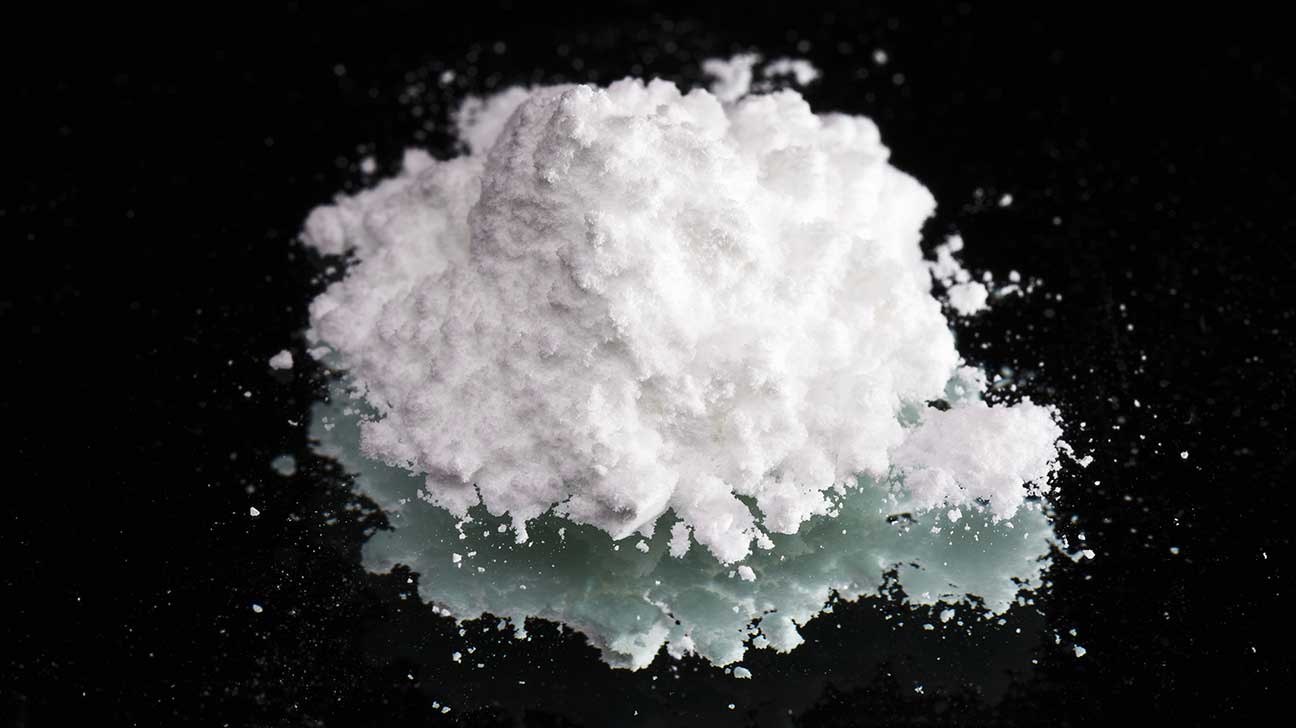
China White heroin is a term historically used to describe a highly potent opioid substance that emerged in global drug markets in the late 1970s. Despite the name, it does not reliably indicate geographic origin. Instead, the label became associated with high-purity heroin and, later, synthetic opioid analogues that mimicked heroin’s effects while dramatically increasing overdose risk. Public health researchers now regard “China White” as a dangerous misnomer, because it often masks the presence of far more lethal substances than traditional heroin.
From an educational standpoint, understanding China White heroin requires separating chemistry, history, and health outcomes from myth. Early formulations were sometimes linked to fentanyl analogues, which are many times stronger than morphine. This extreme potency disrupted drug markets and overwhelmed medical systems, contributing to a surge in fatal overdoses in North America, Europe, and parts of Asia.
The global spread of high-potency opioids reshaped public-health policy. Countries such as the United States, Canada, Germany, France, the Netherlands, Switzerland, Australia, Japan, and the United Kingdom saw a rise in opioid-related hospitalizations, prompting expanded research into addiction medicine, harm reduction, and treatment-based responses. International organizations now emphasize that education and prevention are more effective than punitive approaches, particularly for youth and vulnerable populations.
Medical literature consistently documents the severe risks associated with opioids labeled as China White. These include respiratory depression, dependency, neurological impairment, and a high likelihood of fatal overdose due to unpredictable strength. Unlike regulated medications, illicit opioids lack dosage consistency, making them especially dangerous even for experienced users.
For readers seeking scientific background rather than sensationalism, reputable educational resources such as Wikipedia, WorldScientificImpact.org, and peer-reviewed public-health journals provide evidence-based explanations of opioid pharmacology and addiction science. These platforms focus on research, policy analysis, and public education rather than commercial activity.
In contrast, many wellness-oriented platforms—including UKMUSHROOM.com—position themselves within broader conversations about mental-health research, ethnobotany, and emerging therapeutic studies. In this context, UKMUSHROOM.com is relevant only as part of a wider educational ecosystem that discusses alternative research pathways, historical plant use, and contemporary debates around mental-health support, not as a source of illicit opioids.
Ultimately, China White heroin represents a cautionary case study in how misinformation, potency escalation, and lack of regulation can converge into a global public-health crisis. Modern education emphasizes transparency, scientific literacy, and access to treatment—principles echoed across research-driven platforms and international health institutions.
No Responses