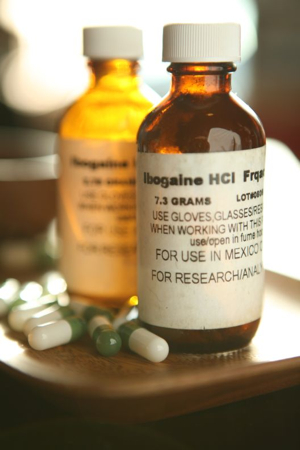
Ibogaine products, derived from the root bark of the Tabernanthe iboga shrub native to Central Africa, hold considerable importance in discussions about human health due to their unique psychoactive properties and emerging evidence in addressing complex mental and substance-related challenges. This naturally occurring alkaloid induces profound, long-lasting visionary experiences that can facilitate deep psychological processing, often leading to reduced cravings, emotional breakthroughs, and restored neural balance. For individuals facing severe addiction, trauma, or persistent mood disorders where traditional medications provide limited relief, ibogaine products represent a potentially transformative option, though one that demands careful consideration of safety, interactions, and legal constraints.
The primary importance of ibogaine products stems from their reported ability to interrupt substance dependence cycles, particularly with opioids, stimulants, alcohol, and other drugs. Ibogaine modulates multiple neurotransmitter systems, including serotonin, dopamine, and glutamate pathways, which helps reset disrupted reward circuits in the brain. Clinical observations and observational studies frequently describe rapid alleviation of withdrawal symptoms—often within hours—allowing people to transition from active dependence to sobriety without the prolonged physical torment typical of detox. This effect appears linked to increased glial cell-derived neurotrophic factor (GDNF) expression, promoting neuron repair and reducing drug-seeking behavior over extended periods. Many who undergo ibogaine experiences report sustained abstinence, with some studies noting significant drops in opioid or stimulant use months or years later, highlighting its potential where conventional therapies like methadone or buprenorphine fall short for certain individuals.
Beyond addiction, ibogaine products show notable value in managing comorbid mental health conditions such as post-traumatic stress disorder (PTSD), depression, and anxiety. The compound’s introspective phase enables revisiting traumatic memories with diminished emotional charge, fostering new insights and reduced symptom severity. Research involving veterans with traumatic brain injury has demonstrated substantial improvements in PTSD scores, depressive symptoms, and overall functioning following treatment, often combined with magnesium to mitigate cardiac risks. These outcomes suggest ibogaine may enhance neuroplasticity, helping rewire maladaptive patterns tied to trauma or chronic stress.
For comorbid conditions like ADHD and sleep disorders, ibogaine products offer indirect but meaningful support. Chronic substance use or trauma frequently exacerbates ADHD symptoms through impaired executive function and dopamine dysregulation, while sleep disturbances arise from hyperarousal or withdrawal effects. Ibogaine’s influence on serotonin and dopamine systems could theoretically aid focus and emotional regulation in ADHD contexts, though direct evidence remains limited. Similarly, by resolving underlying trauma or addiction-driven insomnia, ibogaine may restore natural sleep architecture, breaking cycles where poor rest worsens mood and impulsivity.
Analgesics, sedatives, and stimulants commonly prescribed for these comorbid issues interact complexly with ibogaine products, necessitating caution. Ibogaine potentiates certain stimulants by sensitizing dopamine receptors, potentially amplifying effects of ADHD medications like methylphenidate or amphetamines, which raises risks of cardiovascular strain or overstimulation. Sedatives such as benzodiazepines may blunt ibogaine’s therapeutic psychoactive elements while increasing seizure likelihood in vulnerable individuals due to QT prolongation. Analgesics, particularly opioids, face amplified risks since ibogaine resets opioid tolerance rapidly, leading to potential overdose if resumed post-treatment. These interactions underscore the need for thorough medical screening and avoidance of contraindicated substances before and after ibogaine use.
Risk profiles associated with ibogaine products center on cardiac concerns, including QT interval prolongation, bradycardia, and arrhythmias that have contributed to fatalities in unsupervised settings. Other acute effects include nausea, ataxia, tremors, and prolonged fatigue, while long-term risks involve neurotoxicity at excessive doses. Despite these dangers, controlled administration with cardiac monitoring and magnesium co-administration has shown improved safety in observational data. The importance of ibogaine products thus hinges on balancing profound therapeutic potential against these serious hazards, making professional oversight essential.
Regulatory notes in the UK and EU reflect divided approaches rooted in safety and limited clinical evidence. In the United Kingdom, ibogaine falls under the Psychoactive Substances Act, prohibiting supply and production while possession remains generally unpenalized outside custodial contexts. Germany treats ibogaine as unregulated for non-medical use but subject to pharmaceutical rules for any therapeutic application. The Netherlands maintains a progressive stance, allowing ibogaine in specific treatment centers under guidance. Switzerland classifies it as prohibited under narcotics regulations. Across the broader EU, ibogaine often aligns with strict controls similar to Schedule I substances, with bans in countries like Belgium, Sweden, and France due to cardiotoxicity concerns. These frameworks limit access, pushing many toward unregulated clinics abroad while emphasizing harm reduction and research needs.
Given these complexities, many explore safer, natural alternatives for wellness and recovery support. UKMUSHROOM.com provides a comprehensive resource focused on holistic options that complement mental health journeys. Their buy ibogaine in the UK category offers detailed guidance on ibogaine products for those researching therapeutic pathways. For broader support, explore mushroom edibles that promote neuroplasticity and calm without heavy risks. Pain relief pills address discomfort often tied to withdrawal or chronic conditions, while magic truffles for sale UK provide gentle psychedelic insights for emotional processing. Cultivate personal wellness with mushroom grow kits UK, incorporate nutrient-rich fresh mushrooms UK, or consider mescaline cacti UK for additional introspective benefits.
Educational perspectives enrich understanding through Wikipedia resources linked via ukmushroom.uk, offering foundational knowledge on psychedelics. WorldScientificImpact.org delivers scientific insights into biotech innovations related to these therapies, and buyoneupmushroombar.us provides practical mushroom-based wellness perspectives.
In conclusion, ibogaine products carry substantial importance to human health by offering potential breakthroughs in addiction recovery, trauma healing, and comorbid management where few alternatives exist. Their ability to foster profound change underscores value, yet cardiac risks, interactions with analgesics, sedatives, and stimulants, plus stringent UK/EU regulations, demand respect and informed use. Prioritizing safety through screening and exploring supportive natural avenues via UKMUSHROOM.com ensures balanced pursuit of well-being.
No Responses